Craft Room Transformation — From Junk Drawer to Creative Studio
Every maker deserves a dedicated space. This transformation turns a cluttered spare room into an organized studio where creativity flows without fighting through chaos.
What is Craft Room Transformation: From Clutter to Creative Studio?
Every maker deserves a dedicated space. This transformation turns a cluttered spare room into an organized studio where creativity flows without fighting through chaos.
See the Transformation
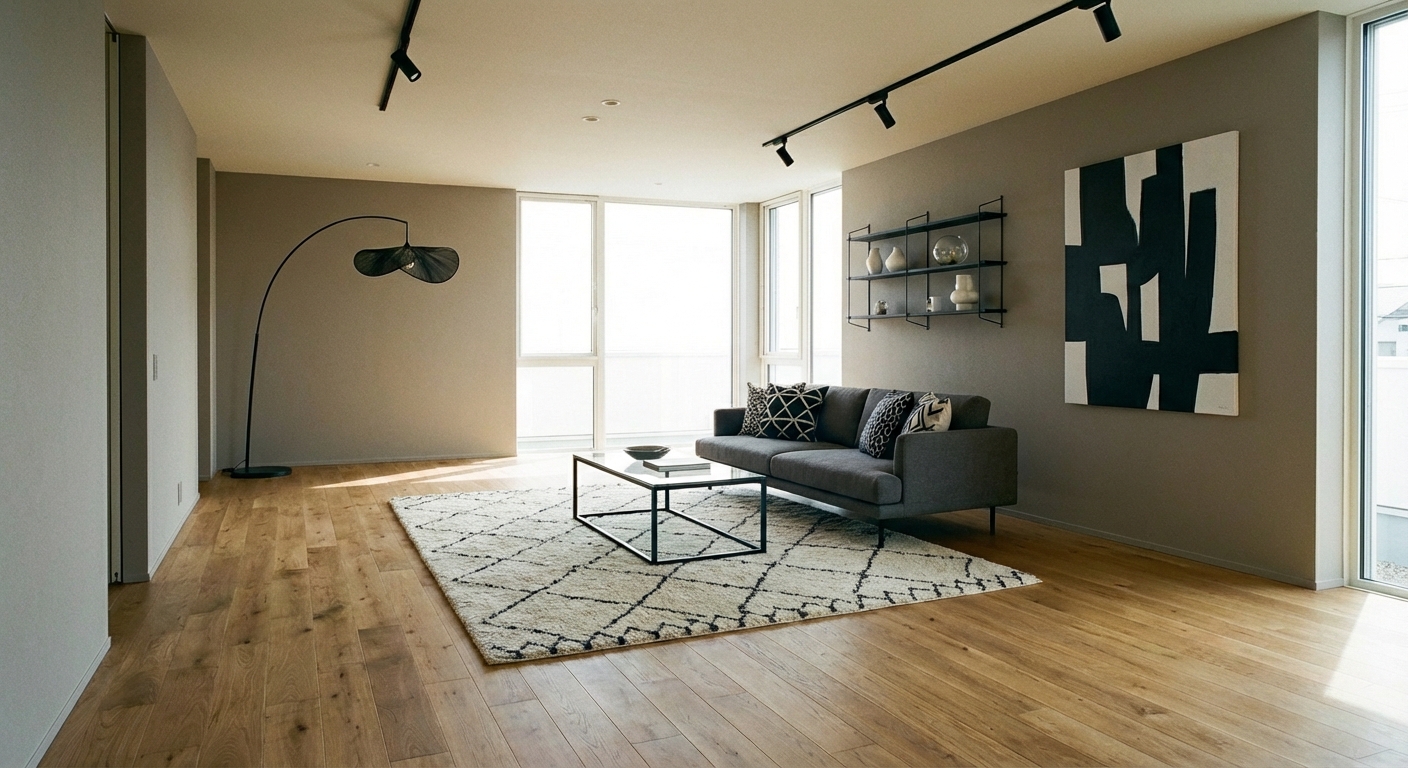
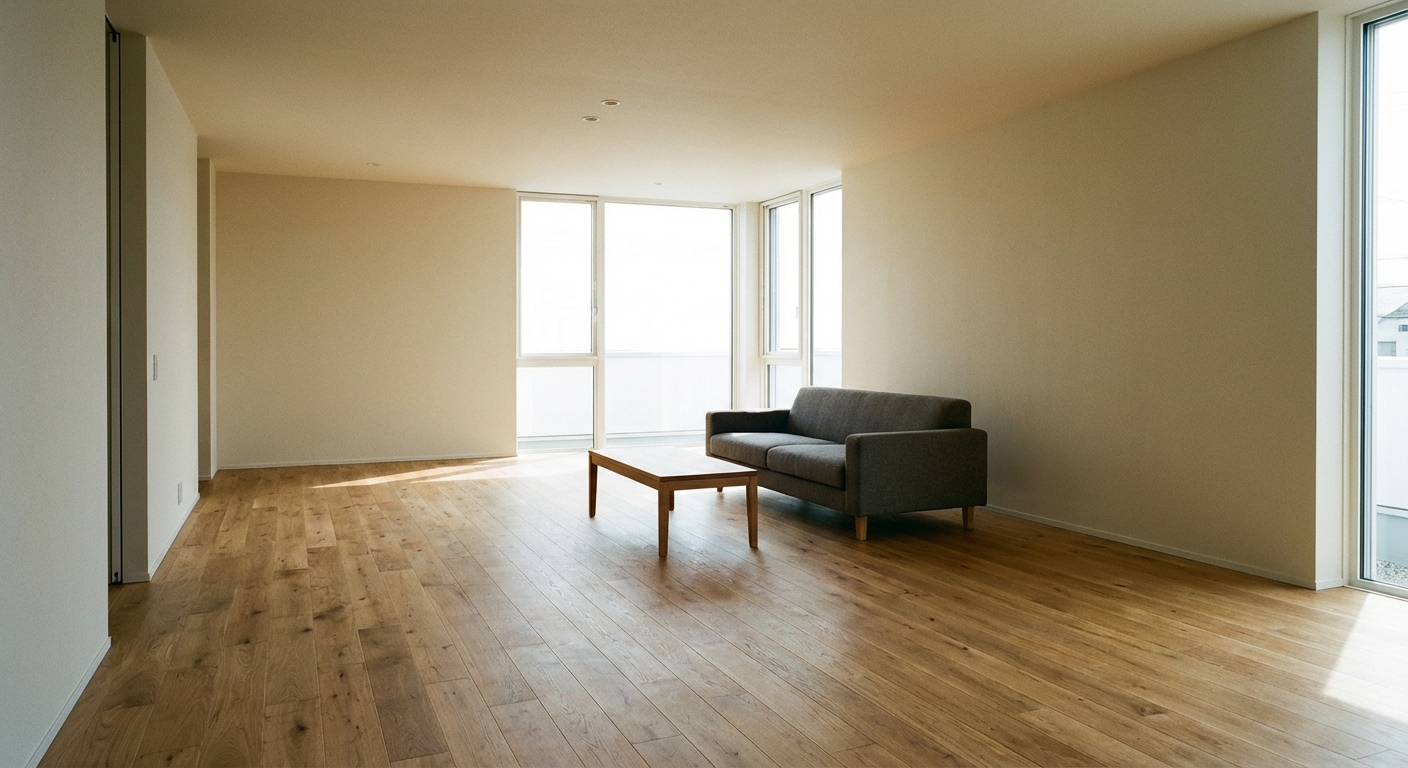
Upload your room photo in the app to see your real transformation
Why It Works
Craft rooms fail when they prioritize storage over workflow. Materials get crammed into every available container, the work surface is buried under works-in-progress, and finding the right supply takes longer than the creative task itself. The transformation addresses this by designing around workflow rather than storage: a generous work surface as the room centerpiece, supplies organized by frequency of use (daily items at arm length, weekly items on nearby shelves, seasonal items in closed storage), and dedicated zones for different activities (cutting, sewing, painting, drying). When the room supports the creative process rather than merely containing the supplies, productivity and enjoyment both increase dramatically.
Best for
- people ready to test options on a real photo before buying
- anyone planning a real living room where conversation distance, TV glare, and traffic past the sofa matter more than Pinterest perfection
- projects already thinking about lighting and needing a coherent layout
Skip if
- you will not address conversation distance and only want a filter look
- you refuse to remove anything and only add decor
Common mistakes
People pin craft living room ideas and then shopping object-by-object with no envelope decision. Details like lighting only work if the plan respects conversation distance, TV glare, and traffic past the sofa. Another miss: pushing every seat against the walls and calling the empty middle “open”.
Decide this first
fix the primary seating pair and one clear path before decorative chairs. Lock a coherent material story instead of random catalog picks as a short list, then use Intero on a real photo so scale and light are honest before you spend.
How to Achieve This Look
Start with the work surface — a large table (at standing or counter height for cutting, seated height for sewing or painting) positioned centrally with access from all sides. Install wall-to-wall open shelving with clear bins and labels for supplies, sorted by type and frequency. A pegboard or slatwall panel above the main workspace provides instant access to tools. Add a dedicated cutting station if sewing is primary. Install task lighting: bright, adjustable LED panels or swing-arm lamps over each work zone. Use a rolling cart for current project materials that can move between zones. Add a comfortable chair for detailed work. Include a design wall — a flannel-covered board or magnetic surface for pinning patterns, inspirations, and works-in-progress.
Intero AI helps you plan the craft room layout around your specific creative workflow. Upload a photo and preview different shelving configurations, work surface arrangements, and storage systems to build a studio that supports how you actually create.
Frequently Asked Questions
Q1 What is the most important feature of a craft room?
A large, clear work surface. Every craft — sewing, painting, card-making, model-building — requires space to spread out. A 30x72-inch table minimum, cleared and ready to use, is more important than any storage system. Without a usable work surface, the room is storage, not a studio.
Q2 How do I organize craft supplies effectively?
Sort by type, then by frequency. Daily-use items go on open shelves at eye level within arm reach of the work surface. Weekly-use items go on higher or lower shelves in clear bins. Seasonal and backup supplies go in closed storage. Label everything — the label is more important than the container.
Q3 What lighting is best for a craft room?
Full-spectrum LED panels (5000K, CRI 90+) provide daylight-quality illumination for color-accurate work. Position the main light above the work surface with a swing-arm task lamp for detail work. Avoid warm ambient lighting as the primary source — accurate color rendering is essential for most crafts.
Related searches
These are the next pages people usually open while narrowing this design direction.
You Might Also Like
Ready to See This Style in Your Room?
Download Intero and preview this design on your own room photo.
No credit card. No signup. Just results.
Scan to download
Point your phone camera at a code

