Finish Every Room with the Polished Detail of Crown Molding
The transition between wall and ceiling is where most rooms fail — crown molding turns that awkward junction into a graceful, architectural statement.
What is Crown Molding Style Ideas?
The transition between wall and ceiling is where most rooms fail — crown molding turns that awkward junction into a graceful, architectural statement.
See the Transformation
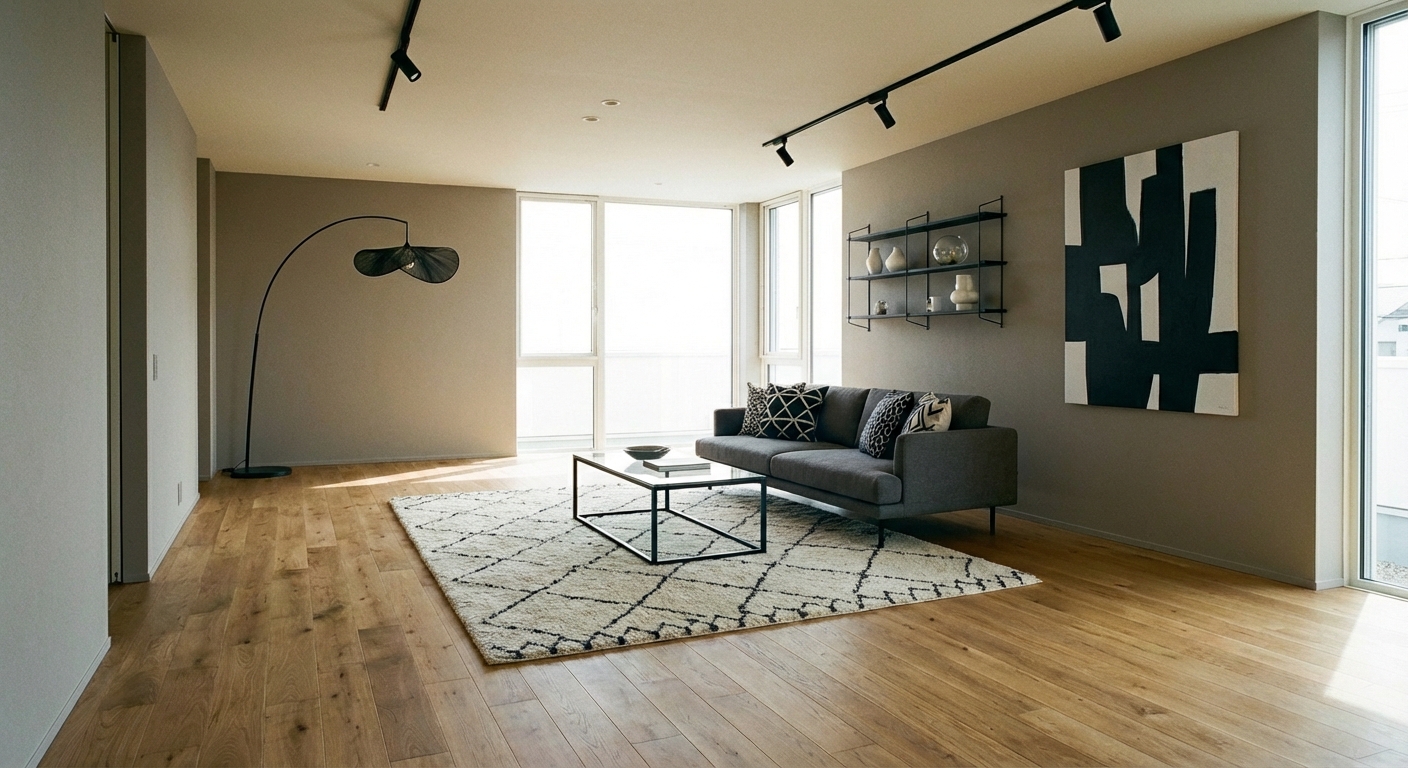
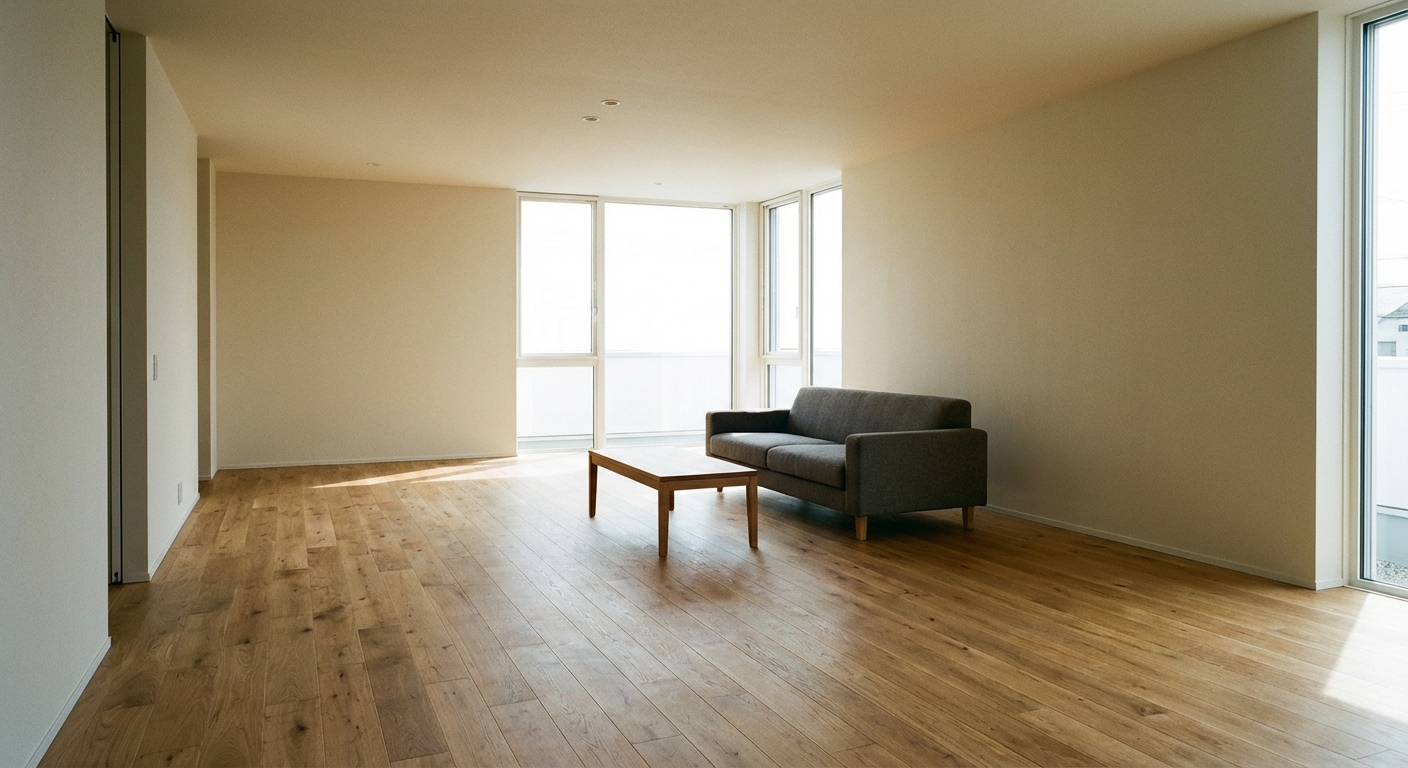
Upload your room photo in the app to see your real transformation
Why It Works
Crown molding conceals the harsh line where wall meets ceiling, replacing it with a sculpted transition that signals quality construction and attention to detail. The profile creates shadows that add depth and dimension to the ceiling plane, making rooms feel taller and more finished. Even simple molding profiles elevate a room from builder-grade to custom — it is one of the highest-impact, lowest-cost trim upgrades available. Historically, molding profiles communicated architectural style, and this remains true today: ornate profiles for traditional, clean profiles for modern.
Best for
- people ready to test options on a real photo before buying
- anyone planning a real living room where conversation distance, TV glare, and traffic past the sofa matter more than Pinterest perfection
- projects already thinking about paint and needing a coherent layout
Skip if
- you will not address conversation distance and only want a filter look
- you need the room finished tomorrow with zero test fits
Common mistakes
In a living room, “crown” fails when you shopping object-by-object with no envelope decision. Details like paint only work if the plan respects conversation distance, TV glare, and traffic past the sofa. Another miss: pushing every seat against the walls and calling the empty middle “open”.
Decide this first
fix the primary seating pair and one clear path before decorative chairs. Lock a coherent material story instead of random catalog picks as a short list, then use Intero on a real photo so scale and light are honest before you spend.
How to Achieve This Look
Match crown molding profile to your home style: elaborate ogee and dentil moldings for traditional and colonial homes, simple cove or flat-stock moldings for modern and transitional spaces. Size matters — small rooms need narrower molding (2-4 inches), while large rooms with tall ceilings can handle 6-8 inch profiles. Paint crown molding the same color as the ceiling for a seamless, room-enlarging effect, or match it to the wall trim for a cohesive traditional look. For modern homes, consider a simple painted reveal or shadow-gap detail instead of traditional profiles.
Upload a room photo to Intero and preview different crown molding profiles, sizes, and colors. See how a wide traditional molding transforms a formal living room, or how a minimal modern profile finishes a bedroom — ensuring the proportions work before hiring a trim carpenter.
Frequently Asked Questions
Q1 How much does crown molding cost to install?
Materials range from $1-$15 per linear foot (MDF at the low end, solid wood or plaster at the high end). Professional installation adds $3-$8 per linear foot for labor. A standard 12x14 room (52 linear feet) costs $200-$600 DIY or $400-$1,200 professionally installed. The more complex the profile and the more corners in the room, the higher the labor cost.
Q2 Should crown molding match the baseboards?
Crown molding does not need to match baseboards exactly, but they should be from the same style family (both traditional, both modern, etc.). White is the most versatile color for both. Crown is typically the same width or narrower than baseboards — never wider. In rooms with chair rail and wainscoting, the entire trim package should feel cohesive in profile, scale, and color.
Q3 Is crown molding outdated in modern homes?
Traditional ornate crown molding can feel out of place in minimalist modern interiors, but the concept of finishing the wall-ceiling junction is timeless. Modern alternatives include simple square-stock molding, cove lighting reveals, and shadow-gap details. Even in contemporary homes, a clean 2-3 inch flat crown adds a finished quality that bare drywall lacks.
Related searches
These are the next pages people usually open while narrowing this design direction.
You Might Also Like
Ready to See This Style in Your Room?
Download Intero and preview this design on your own room photo.
No credit card. No signup. Just results.
Scan to download
Point your phone camera at a code

