Elevate Your Walls with the Timeless Detail of Wainscoting
Wainscoting transforms plain walls into architectural features — adding depth, proportion, and classic elegance that instantly makes a room feel finished.
What is Wainscoting Design Ideas?
Wainscoting transforms plain walls into architectural features — adding depth, proportion, and classic elegance that instantly makes a room feel finished.
See the Transformation
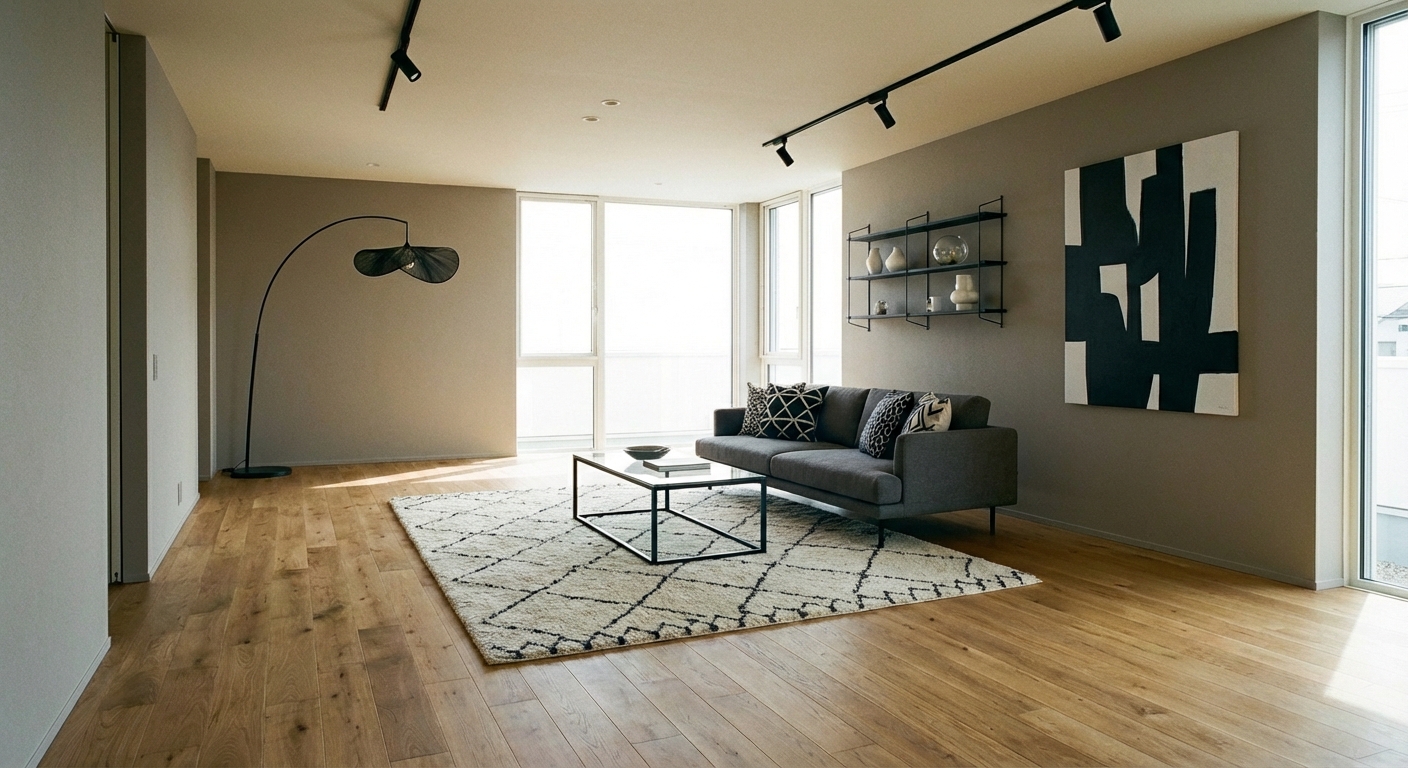
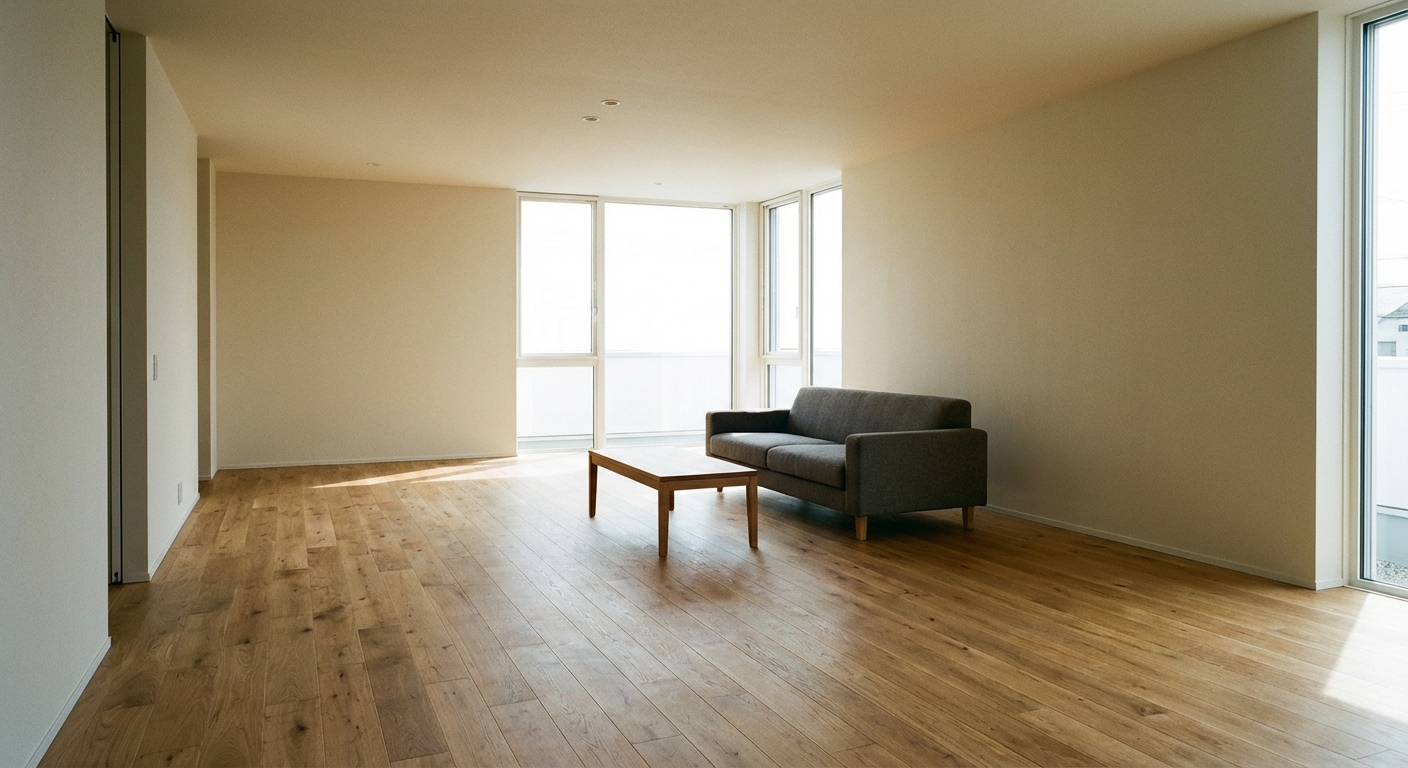
Upload your room photo in the app to see your real transformation
Why It Works
Wainscoting adds architectural depth to rooms that would otherwise feel flat and unfinished. The raised or recessed panels create shadow lines that draw the eye and break up large wall expanses into elegant proportions. Historically a practical wall protection in hallways and dining rooms, wainscoting has evolved into a purely decorative element that signals quality and attention to detail. It also provides an opportunity to introduce two-tone color — a rich paint color above and crisp white below, for example.
Best for
- people ready to test options on a real photo before buying
- anyone planning a real living room where conversation distance, TV glare, and traffic past the sofa matter more than Pinterest perfection
- projects already thinking about paint and needing a coherent layout
Skip if
- you will not address conversation distance and only want a filter look
- you refuse to remove anything and only add decor
Common mistakes
People pin wainscoting living room ideas and then shopping object-by-object with no envelope decision. Details like paint only work if the plan respects conversation distance, TV glare, and traffic past the sofa. Another miss: pushing every seat against the walls and calling the empty middle “open”.
Decide this first
fix the primary seating pair and one clear path before decorative chairs. Lock a coherent material story instead of random catalog picks as a short list, then use Intero on a real photo so scale and light are honest before you spend.
How to Achieve This Look
Choose a style that matches your home: raised panel for traditional and colonial interiors, flat panel (Shaker) for transitional, board and batten for farmhouse and coastal, picture frame molding for modern and Parisian aesthetics. Standard wainscoting height is 32-36 inches (chair rail height) for dining rooms and hallways. Full-height paneling (to the ceiling) creates a dramatic, library-like effect in offices and bedrooms. White is classic, but painted wainscoting in deep greens, navy, or charcoal is increasingly popular. Always cap wainscoting with a chair rail or cap molding for a finished look.
Upload your room to Intero and see how different wainscoting styles and heights transform your walls. Compare board and batten against picture frame molding, test different paint colors, and find the perfect height and proportion for your space — all before any carpentry begins.
Frequently Asked Questions
Q1 How much does wainscoting cost to install?
DIY wainscoting using MDF panels and trim costs $5-$15 per square foot for materials. Professional installation adds $8-$15 per square foot for labor. A typical dining room (three walls, chair-rail height) runs $1,500-$4,000 professionally installed. Board and batten is the least expensive style; raised panel is the most expensive due to the complexity of the molding profiles.
Q2 What height should wainscoting be installed?
The traditional rule is one-third of the wall height. In standard 8-foot rooms, that is 32 inches. In taller rooms (9-10 feet), 36-42 inches works well. Full-height wainscoting (floor to ceiling) is increasingly popular in bedrooms and offices for a dramatic, cocooned effect. The key is that the proportions feel balanced — never exactly half the wall, which splits the room uncomfortably.
Q3 Can I install wainscoting myself as a DIY project?
Board and batten and picture frame wainscoting are very achievable DIY projects with basic tools (miter saw, nail gun, level). MDF is easier to work with than real wood. The key is precise measuring, level lines, and filling nail holes and seams with caulk before painting. Raised panel wainscoting is more complex and often benefits from professional installation for clean, symmetrical results.
Related searches
These are the next pages people usually open while narrowing this design direction.
You Might Also Like
Ready to See This Style in Your Room?
Download Intero and preview this design on your own room photo.
No credit card. No signup. Just results.
Scan to download
Point your phone camera at a code

