Style and Display with the Clean Lines of Floating Shelves
Floating shelves turn empty walls into curated galleries — no visible brackets, no visual clutter, just clean lines and the objects you choose to display.
What is Floating Shelf Styling Ideas?
Floating shelves turn empty walls into curated galleries — no visible brackets, no visual clutter, just clean lines and the objects you choose to display.
See the Transformation
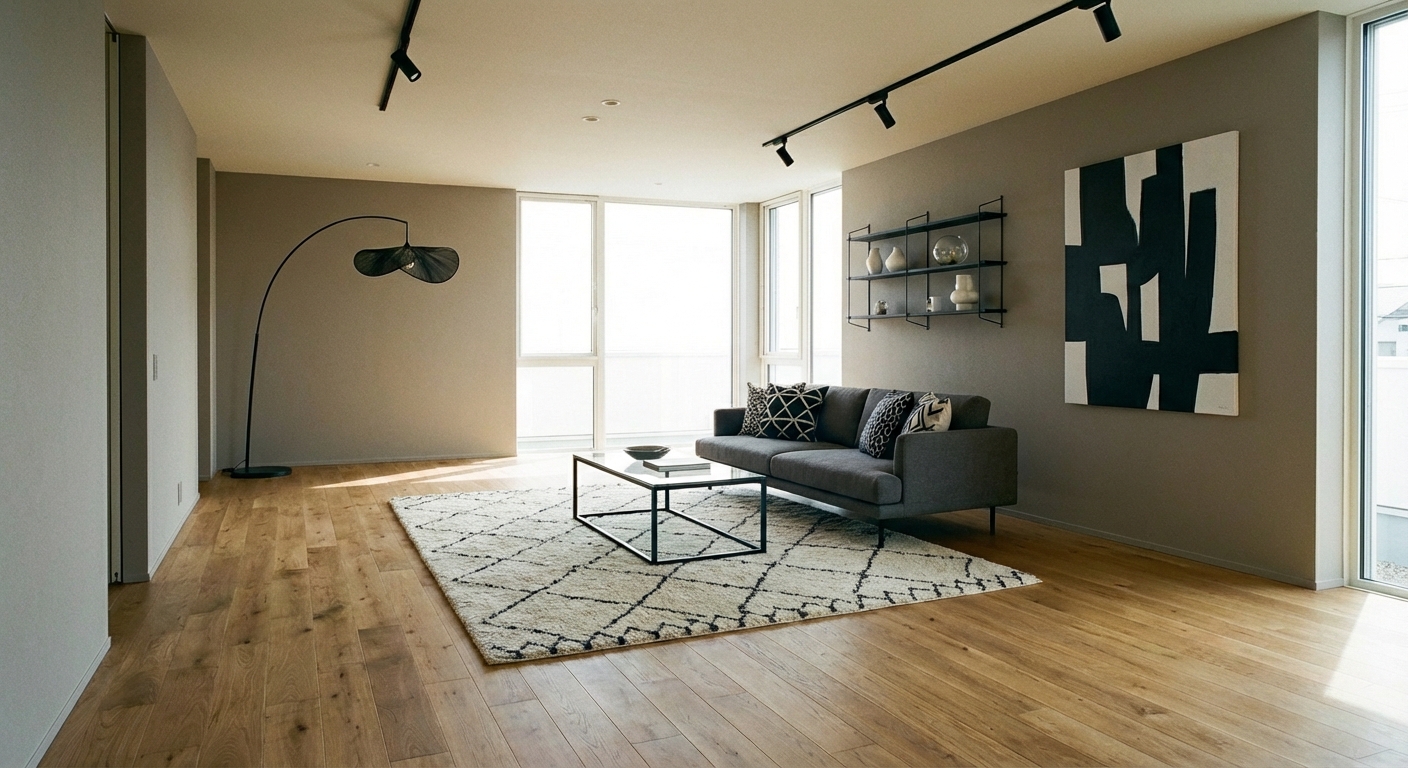
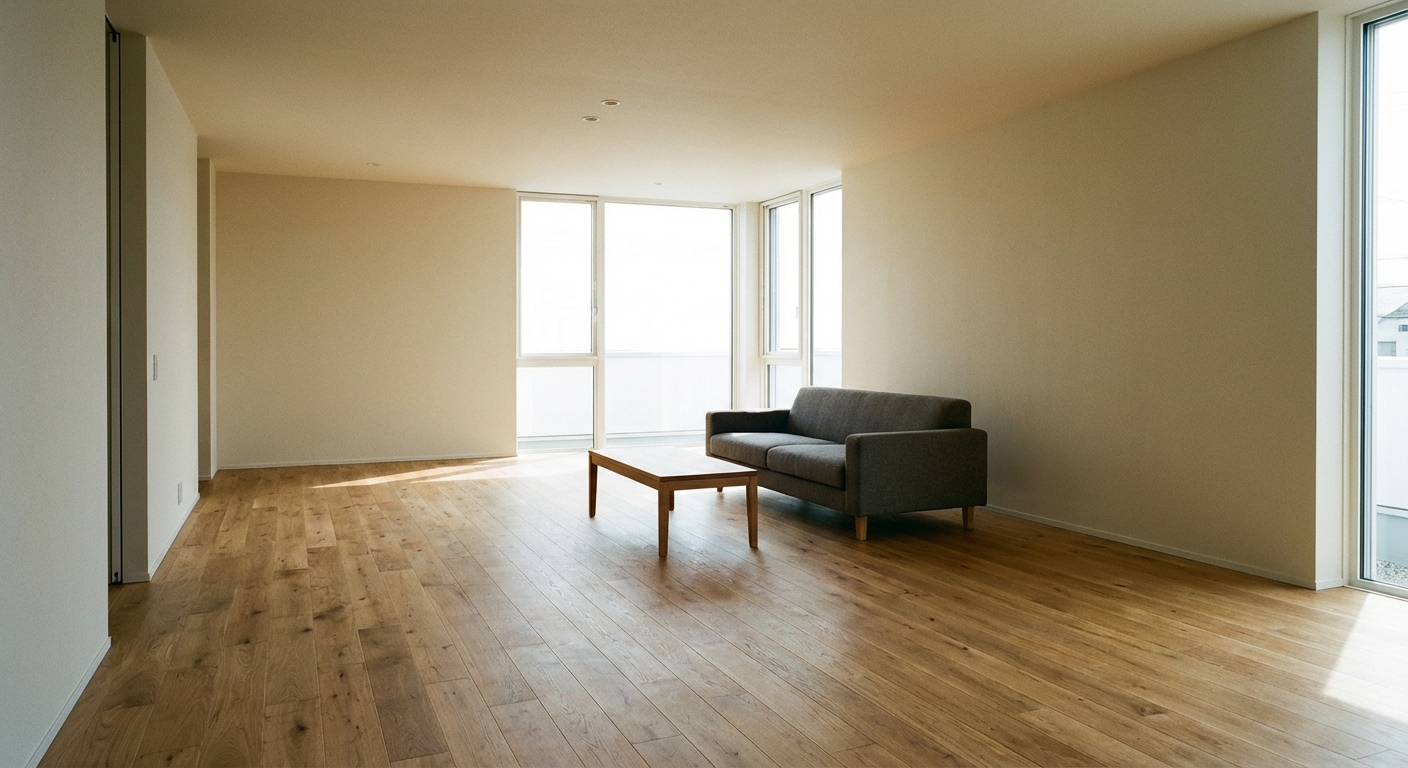
Upload your room photo in the app to see your real transformation
Why It Works
Floating shelves eliminate the visual bulk of traditional shelving brackets and bookcases, creating a clean, modern display surface that appears to hover on the wall. This minimalist approach keeps the focus on what you display rather than the shelf itself. In kitchens, floating shelves replace heavy upper cabinets to create an open, airy feel. In living rooms, they provide gallery-like display for art, books, and objects. The linear horizontal lines also visually widen narrow rooms and hallways.
Best for
- people ready to test options on a real photo before buying
- anyone planning a real living room where conversation distance, TV glare, and traffic past the sofa matter more than Pinterest perfection
- projects already thinking about cabinets and needing a coherent layout
Skip if
- you will not address conversation distance and only want a filter look
- you need the room finished tomorrow with zero test fits
Common mistakes
The usual floating living room miss is shopping object-by-object with no envelope decision. Details like cabinets only work if the plan respects conversation distance, TV glare, and traffic past the sofa. Another miss: pushing every seat against the walls and calling the empty middle “open”.
Decide this first
fix the primary seating pair and one clear path before decorative chairs. Lock a coherent material story instead of random catalog picks as a short list, then use Intero on a real photo so scale and light are honest before you spend.
How to Achieve This Look
Install shelves into wall studs or use heavy-duty anchors — floating shelves rely entirely on hidden hardware, so secure mounting is critical. In kitchens, use thick wood shelves (2 inches minimum) at 12-16 inch depth for plates and glasses. Group items in odd numbers and vary heights for visual interest. Mix functional items with decorative objects: a stack of books next to a small plant next to a framed photo. Leave 30-40% of the shelf surface empty — overcrowded shelves look cluttered rather than curated. For bathrooms, choose moisture-resistant materials like teak or metal.
Intero helps you visualize floating shelves in your space before drilling holes. Upload a room photo and see how shelves at different heights, widths, and materials look on your wall — ensuring the proportions and placement are perfect before any installation.
Frequently Asked Questions
Q1 How much weight can floating shelves hold?
Weight capacity depends entirely on the mounting hardware and wall type. Shelves mounted into studs with steel rod brackets can hold 50-100+ lbs per shelf. Drywall-only installation with toggle bolts typically supports 25-40 lbs. Always check the hardware manufacturer specifications. For kitchens with heavy dishes, stud mounting is essential.
Q2 What is the ideal spacing between floating shelves?
Standard vertical spacing between floating shelves is 10-12 inches for books, 12-16 inches for display items, and 16-18 inches for kitchen use (to accommodate tall bottles and stacks). The bottom shelf should be at least 48 inches from the floor in living areas or 18 inches above the countertop in kitchens.
Q3 What material is best for floating shelves?
Solid hardwood (walnut, oak, maple) offers the best combination of beauty and strength. For budget options, thick MDF with a quality veneer or paint finish works well. In bathrooms, teak or metal shelves resist moisture. The shelf must be at least 1.5-2 inches thick to conceal the mounting hardware and maintain the clean floating appearance.
Related searches
These are the next pages people usually open while narrowing this design direction.
You Might Also Like
Ready to See This Style in Your Room?
Download Intero and preview this design on your own room photo.
No credit card. No signup. Just results.
Scan to download
Point your phone camera at a code

