How to Choose Lighting That Makes Every Room Look Its Best
Lighting is the most underrated design element. The right combination of ambient, task, and accent lighting transforms any room from flat to dynamic.
$$
See the Transformation
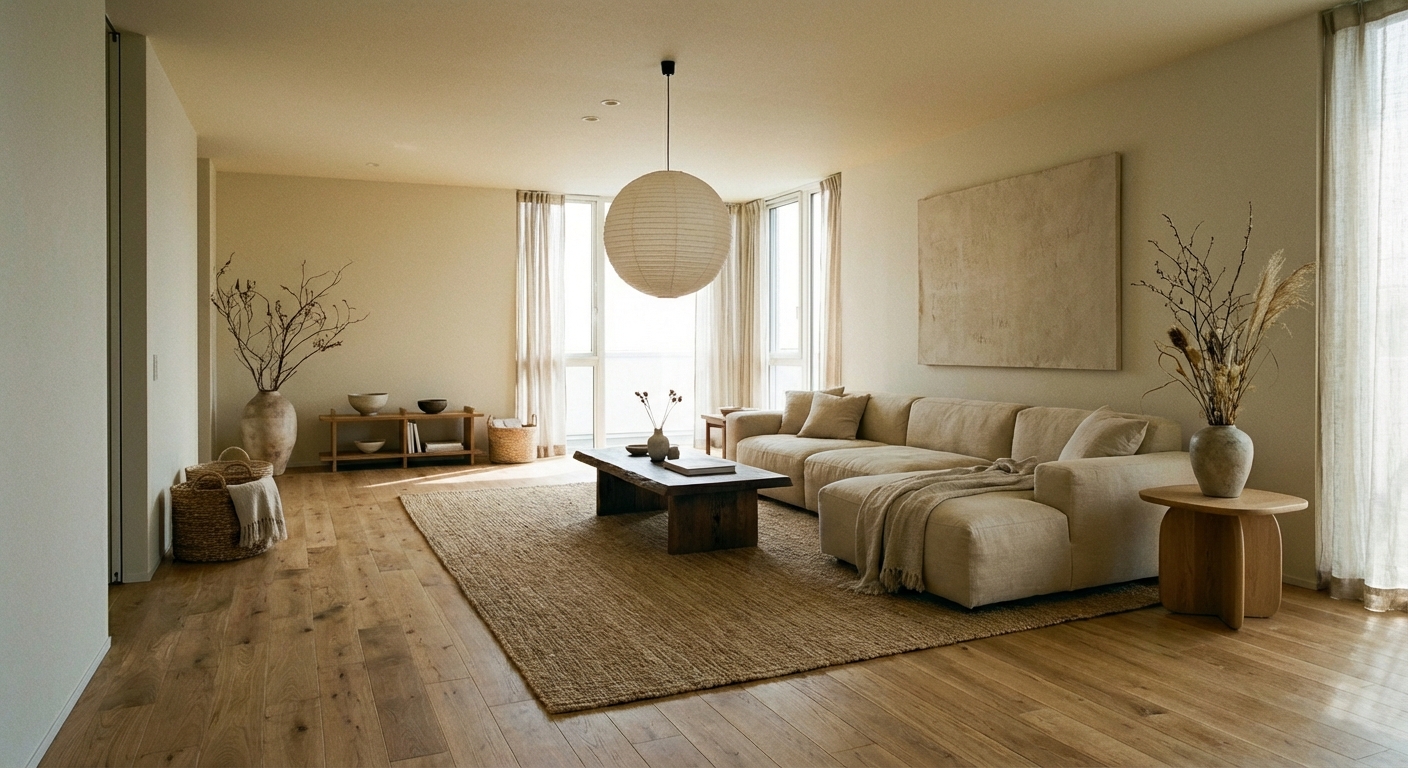
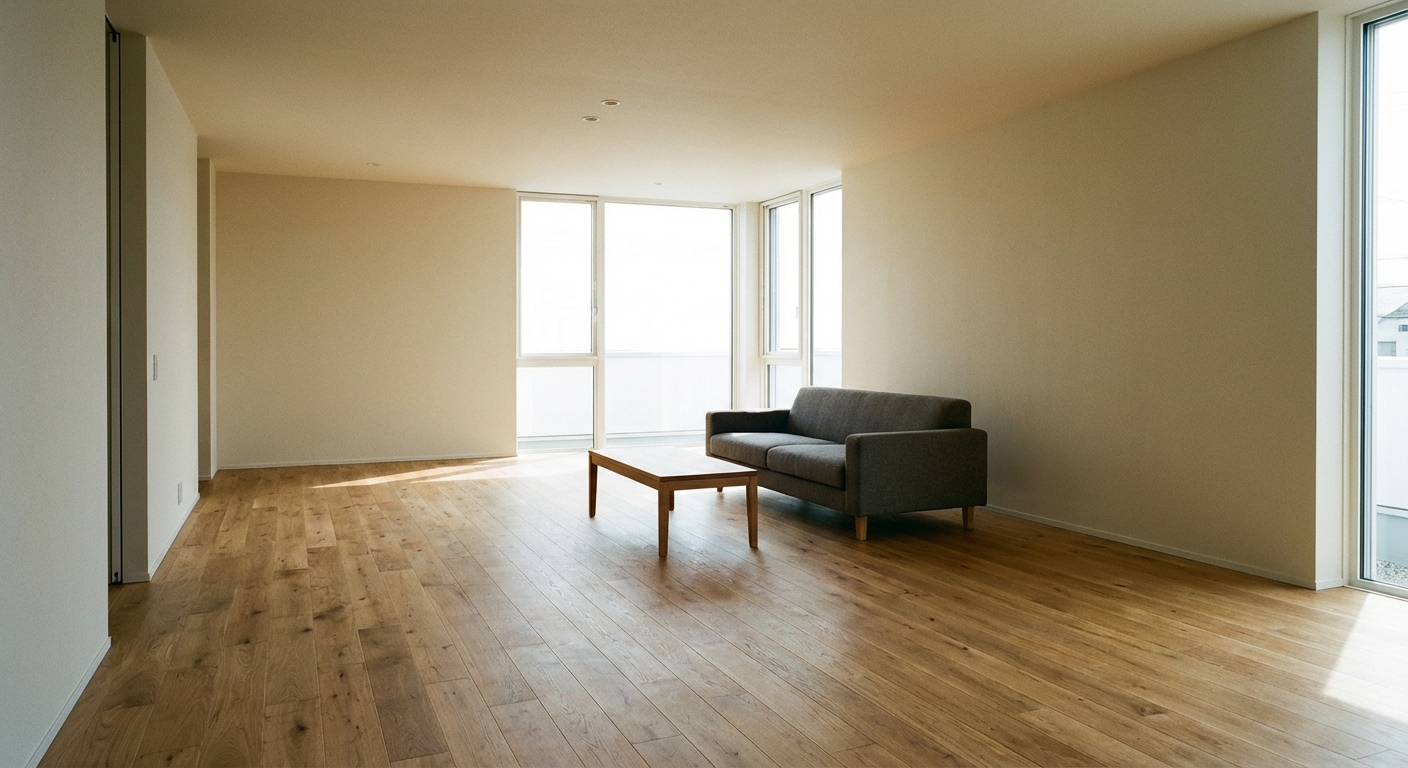
Upload your room photo in the app to see your real transformation
Color Palette
Why It Works
Light shapes how we perceive color, space, and mood. A single overhead fixture casts flat, shadowless light that makes rooms feel institutional. Layered lighting — ambient for overall illumination, task for focused work, and accent for highlighting features — creates depth and dimension that makes rooms feel dynamic and inviting. Color temperature matters equally: warm light (2700K) creates intimacy in bedrooms and living rooms, while cooler light (3500-4000K) sharpens focus in kitchens and offices.
How to Achieve This Look
- 1
Layer three types: ambient (overhead), task (desk/reading), and accent (art/display)
- 2
Choose warm white bulbs (2700-3000K) for living and bedrooms
- 3
Install at least three light sources per room at different heights
- 4
Add dimmer switches to all overhead fixtures
- 5
Use table and floor lamps to eliminate dark corners
- 6
Hang pendants 30-36 inches above tables and counters
Install dimmers on every switch — they cost five dollars each and transform any room from bright workspace to cozy retreat in seconds.
Try It with AI
Layoutly AI helps you visualize how different lighting choices change the mood of your room. Upload a photo and preview warm versus cool lighting, see how adding floor lamps or accent lights transforms the atmosphere, and plan your lighting layers before buying fixtures.
Frequently Asked Questions
What does 2700K vs 5000K mean for light bulbs?
2700K produces a warm, yellowish light similar to candlelight — ideal for bedrooms and living rooms. 5000K produces a cool, bluish-white light similar to daylight — best for offices and task areas. 3000-3500K is a versatile middle ground.
How many light sources does a room need?
Most rooms need three to five sources at different heights: an overhead ambient light, two table or floor lamps at mid-level, and one or two accent lights. The variety of heights creates depth and prevents the flat look of a single overhead fixture.
Are dimmer switches worth installing?
Absolutely — dimmers are one of the highest-impact, lowest-cost lighting upgrades. They let you adjust from bright task lighting to soft ambient mood with a single fixture, effectively giving you multiple lighting options from one source.
Ready to Transform Your Room?
Download Layoutly and see this design in your space in seconds.