How to Design a Wine Room That Stores, Displays, and Impresses
A wine room is not just storage — it is a design statement, a conversation starter, and a functional space that protects your collection. Scale it to fit any home.
What is How to Design a Wine Room or Wine Storage Area?
A wine room is not just storage — it is a design statement, a conversation starter, and a functional space that protects your collection. Scale it to fit any home.
See the Transformation
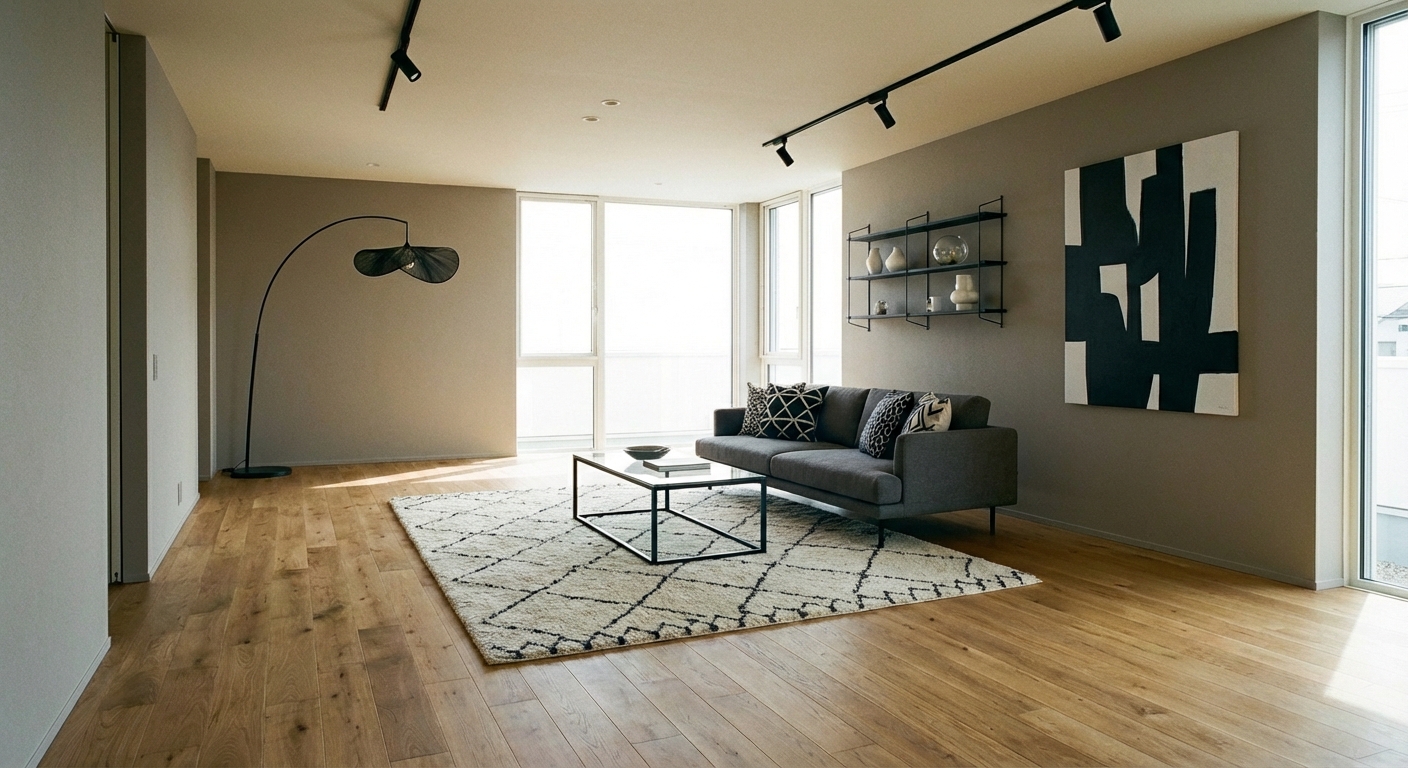
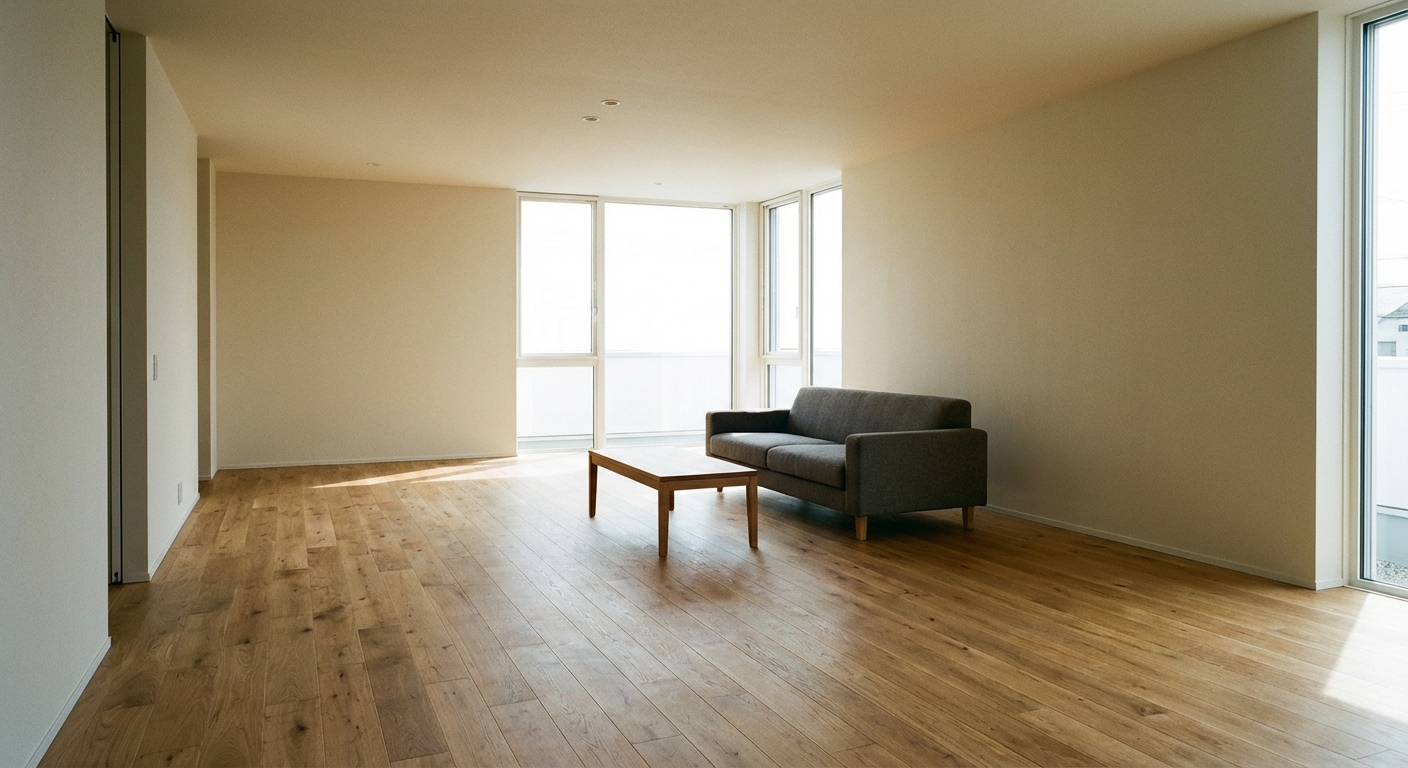
Upload your room photo in the app to see your real transformation
Why It Works
Wine rooms succeed when they balance three needs: proper storage conditions (temperature, humidity, and light control), visual display (wine is inherently beautiful and deserves to be seen), and social function (a space for tasting and entertaining). The most impactful wine rooms are not necessarily the largest — a well-designed wine wall in a dining room or a converted closet with proper climate control can store 100-plus bottles while serving as the room focal point. The key is treating the wine display as both functional storage and decorative art installation.
Best for
- people ready to test options on a real photo before buying
- anyone planning a real living room where conversation distance, TV glare, and traffic past the sofa matter more than Pinterest perfection
- projects already thinking about lighting and needing a coherent layout
Skip if
- you will not address conversation distance and only want a filter look
- you need the room finished tomorrow with zero test fits
Common mistakes
People pin how living room ideas and then shopping object-by-object with no envelope decision. Details like lighting only work if the plan respects conversation distance, TV glare, and traffic past the sofa. Another miss: pushing every seat against the walls and calling the empty middle “open”.
Decide this first
fix the primary seating pair and one clear path before decorative chairs. Lock a coherent material story instead of random catalog picks as a short list, then use Intero on a real photo so scale and light are honest before you spend.
How to Achieve This Look
For serious collections, maintain 55-58 degrees Fahrenheit and 50-70% humidity with a dedicated cooling unit — even a small closet conversion needs this for long-term storage. Store bottles on their side so corks stay moist. Use a combination of display storage (label-out for featured bottles) and bulk storage (label-up in racks for the collection). For a wine wall in a living or dining room, metal peg systems create a floating bottle display that doubles as wall art. Add tasting elements if space allows: a small bar surface, proper wine glasses, and atmospheric lighting. Use LED lights that do not emit UV — UV light degrades wine. A glass-enclosed wine room visible from adjacent living spaces creates a dramatic focal point.
Intero AI helps you design a wine room or wine display that fits your specific space and collection size. Upload a photo and preview different storage configurations, from a simple wine wall to a full climate-controlled room, to find the solution that works for your home.
Frequently Asked Questions
Q1 Do I need a dedicated room for wine storage?
No — a converted closet, under-stair space, or wine wall in a dining room can store dozens to hundreds of bottles. A dedicated cooling unit is only necessary for long-term aging. For wines consumed within a year, a cool, dark area of your home works fine.
Q2 How much does a home wine room cost?
A wine wall or simple rack system starts at $200-$500. A converted closet with a cooling unit runs $2,000-$5,000. A fully climate-controlled wine room costs $10,000-$30,000+ depending on size, materials, and glass enclosure.
Q3 What temperature should a wine room be?
Fifty-five to fifty-eight degrees Fahrenheit is the ideal storage temperature for all wine types. Humidity should stay between 50-70% to prevent cork drying. The most important factor is consistency — temperature swings damage wine more than being a few degrees off the ideal.
Related searches
These are the next pages people usually open while narrowing this design direction.
Ready to See This Style in Your Room?
Download Intero and preview this design on your own room photo.
No credit card. No signup. Just results.
Scan to download
Point your phone camera at a code

