The Complete Guide to Maximalist Interior Design
Maximalism is not chaos — it is curated abundance. Bold color, fearless pattern mixing, and deeply personal collections create rooms that feel alive, layered, and impossible to forget.
What is Complete Guide to Maximalist Interior Design?
Maximalism is not chaos — it is curated abundance. Bold color, fearless pattern mixing, and deeply personal collections create rooms that feel alive, layered, and impossible to forget.
See the Transformation
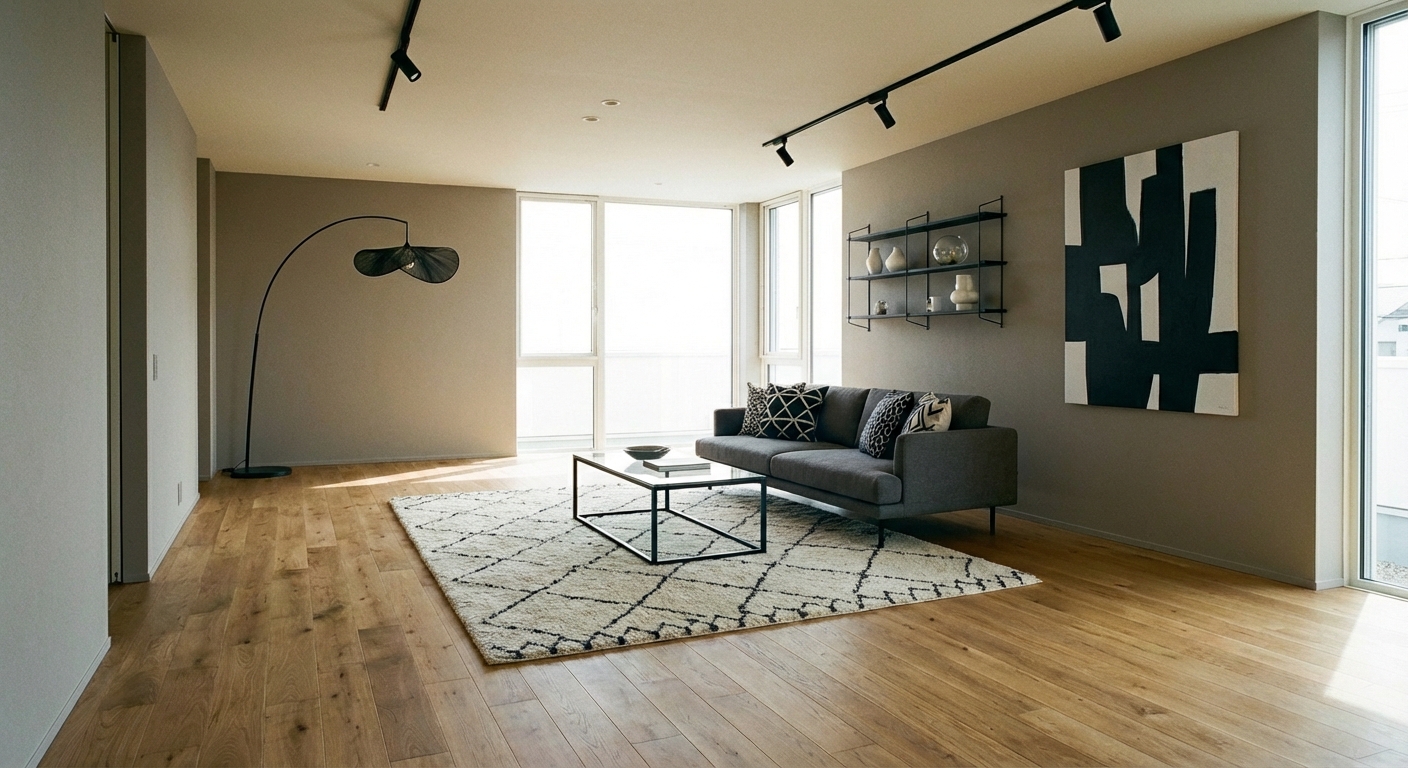
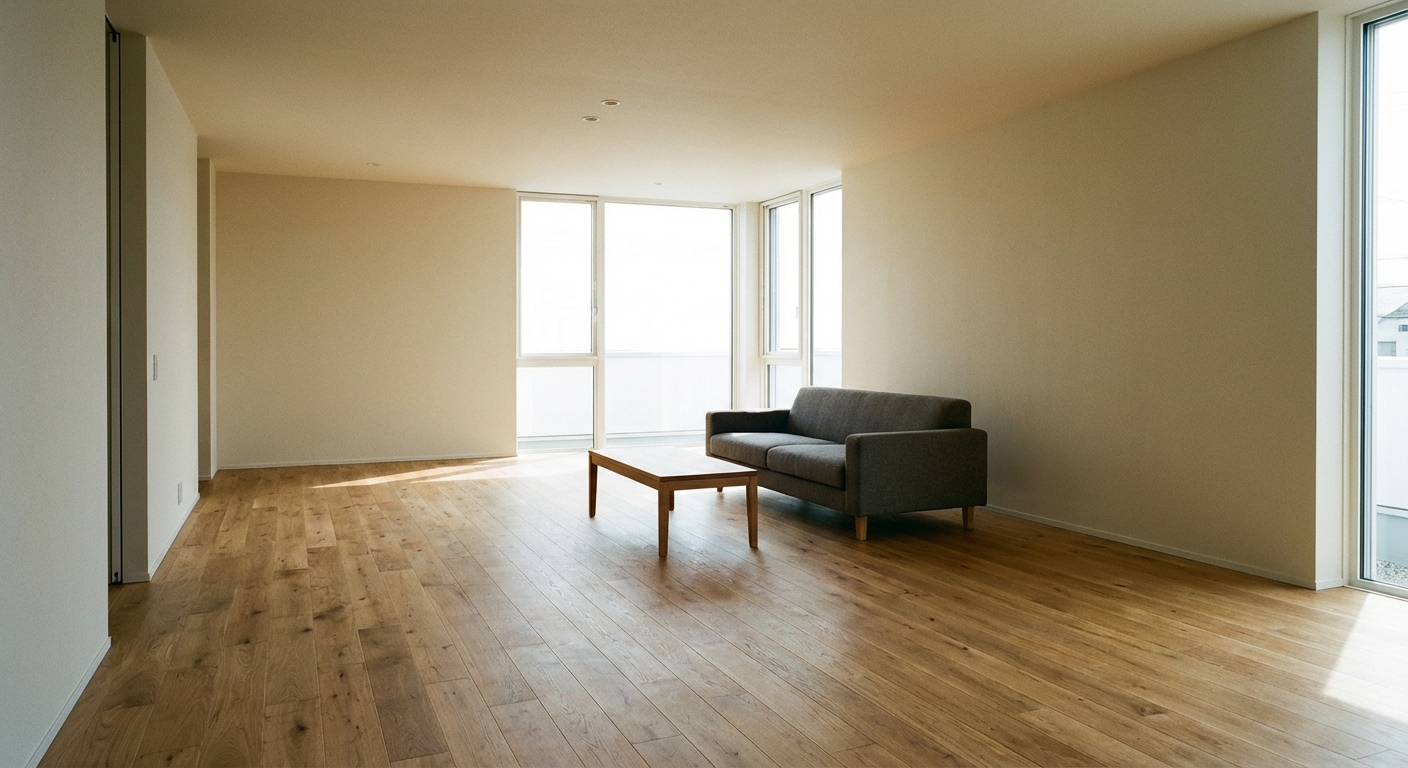
Upload your room photo in the app to see your real transformation
Why It Works
Maximalism is the deliberate rejection of the "less is more" orthodoxy that dominated design for decades. The philosophy holds that spaces should reflect the full richness of a person personality, interests, and travels — not a curated reduction of them. Historically, maximalism has roots in every culture decorated space: Victorian parlors, Moroccan riads, Indian haveli palaces, and Baroque European interiors. The modern maximalist movement gained momentum as a counter-reaction to the Instagram-minimalism of the 2010s. Psychologically, maximalism works for people who draw energy from visual stimulation. Pattern, color, and texture activate the brain in ways that neutral spaces do not. The key distinction between maximalism and clutter is intentionality — every object in a maximalist room is chosen, even if the sheer quantity might alarm a minimalist. When done well, maximalist spaces feel warm, personal, and deeply expressive.
Best for
- people ready to test options on a real photo before buying
- anyone planning a real living room where conversation distance, TV glare, and traffic past the sofa matter more than Pinterest perfection
- projects already thinking about paint, lighting and needing a coherent layout
Skip if
- you will not address conversation distance and only want a filter look
- you need the room finished tomorrow with zero test fits
Common mistakes
In a living room, “complete” fails when you shopping object-by-object with no envelope decision. Details like paint, lighting only work if the plan respects conversation distance, TV glare, and traffic past the sofa. Another miss: pushing every seat against the walls and calling the empty middle “open”.
Decide this first
fix the primary seating pair and one clear path before decorative chairs. Lock a coherent material story instead of random catalog picks as a short list, then use Intero on a real photo so scale and light are honest before you spend.
How to Achieve This Look
Start with a unifying color thread — this is the secret that prevents maximalism from becoming chaos. Choose three to four core colors that will appear throughout the room (for example, teal, burnt orange, gold, and deep pink). Build layers: wallpaper or bold paint as the foundation, then upholstered furniture in rich colors and patterns, then layered textiles (patterned rugs over carpet, mixed cushions, throws), then art salon-style on every wall. Mix patterns deliberately: pair large-scale florals with medium geometrics and small-scale textures. Vary the scale and you can mix almost anything. Furniture should have personality — mix eras, styles, and origins freely. Collections should be displayed, not hidden: books, pottery, travel objects, and art. Lighting should be dramatic — chandeliers, colored glass pendants, and statement table lamps add to the visual feast. The critical skill is knowing your personal threshold — maximalism should feel abundant and exciting, never overwhelming or exhausting.
The line between curated maximalism and visual chaos is personal and hard to predict. Intero AI lets you build up layers gradually in your room — add wallpaper, then bold furniture, then layered textiles — and find the exact density that feels exciting rather than overwhelming for your space.
Frequently Asked Questions
Q1 Is maximalism just clutter with a fancy name?
No. Clutter is unintentional accumulation; maximalism is deliberate curation of abundance. In a cluttered room, objects are there by default. In a maximalist room, every piece was chosen for its color, meaning, or contribution to the visual story. Editing still happens — it just edits for coherence rather than quantity.
Q2 How do I start being maximalist if I am naturally a minimalist?
Start with one room or corner. Add a bold wallpaper accent wall, then layer textiles in coordinating colors, then hang a group of art pieces. Work up gradually. You may find your comfort zone at "warm minimalism" or "edited maximalism" rather than full-tilt abundance.
Q3 What colors work best for maximalist rooms?
Jewel tones (emerald, sapphire, ruby, amethyst) provide the richness maximalism demands. Earth tones (terracotta, ochre, deep green) offer warmth. Black and gold add drama. The key is using full-saturation colors rather than pastels — maximalism needs chromatic intensity to create impact.
Q4 Can maximalism work in small spaces?
Yes — some of the most striking maximalist spaces are small. A small room with dramatic wallpaper, rich textiles, and layered art creates a jewel-box effect that feels immersive and intentional. The key is committing fully — a half-maximalist small room just looks cluttered.
Related searches
These are the next pages people usually open while narrowing this design direction.
You Might Also Like
Ready to See This Style in Your Room?
Download Intero and preview this design on your own room photo.
No credit card. No signup. Just results.
Scan to download
Point your phone camera at a code

