The Complete Guide to Mid-Century Modern Design
Organic curves, bold colors, and a seamless connection to the outdoors — mid-century modern is the most recognizable and enduring design movement of the 20th century.
What is Complete Guide to Mid-Century Modern?
Organic curves, bold colors, and a seamless connection to the outdoors — mid-century modern is the most recognizable and enduring design movement of the 20th century.
2/4
See the Transformation
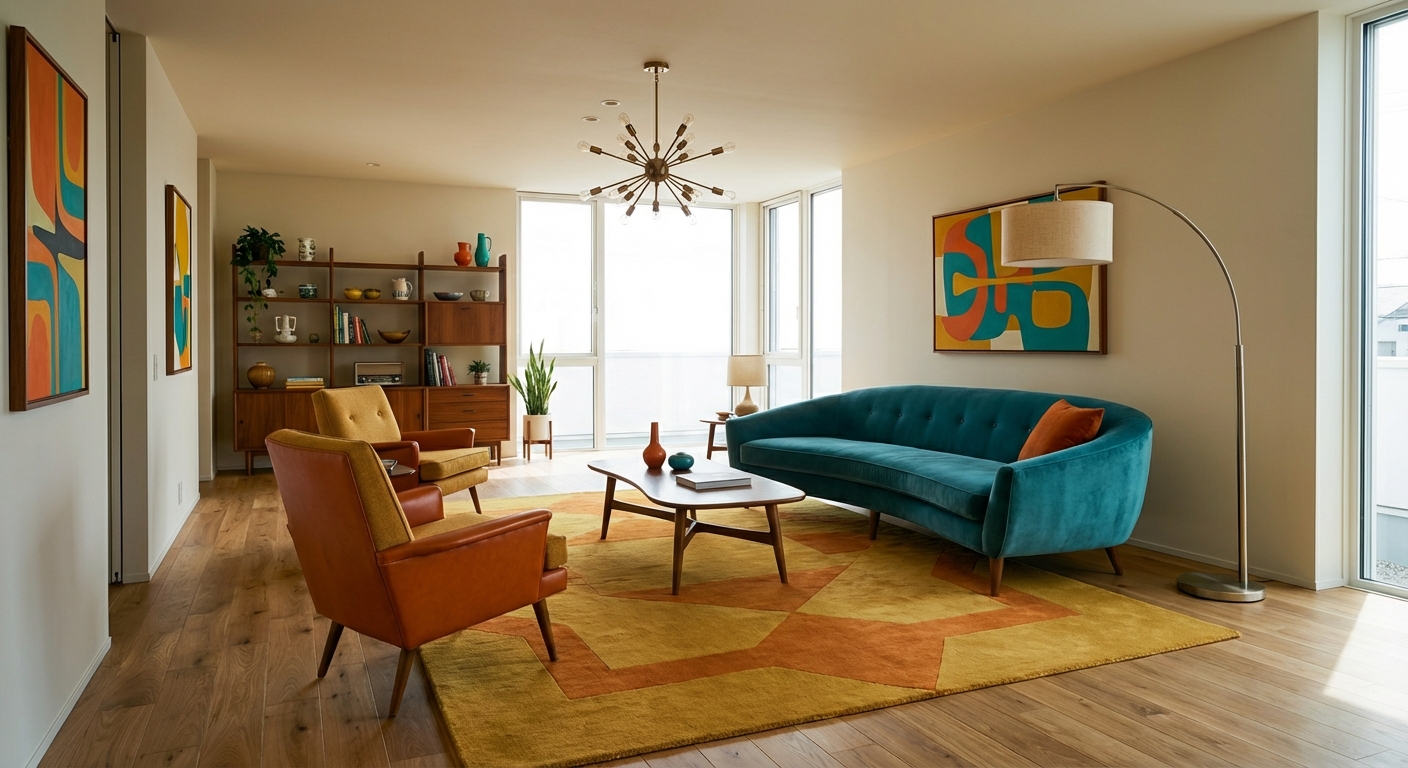
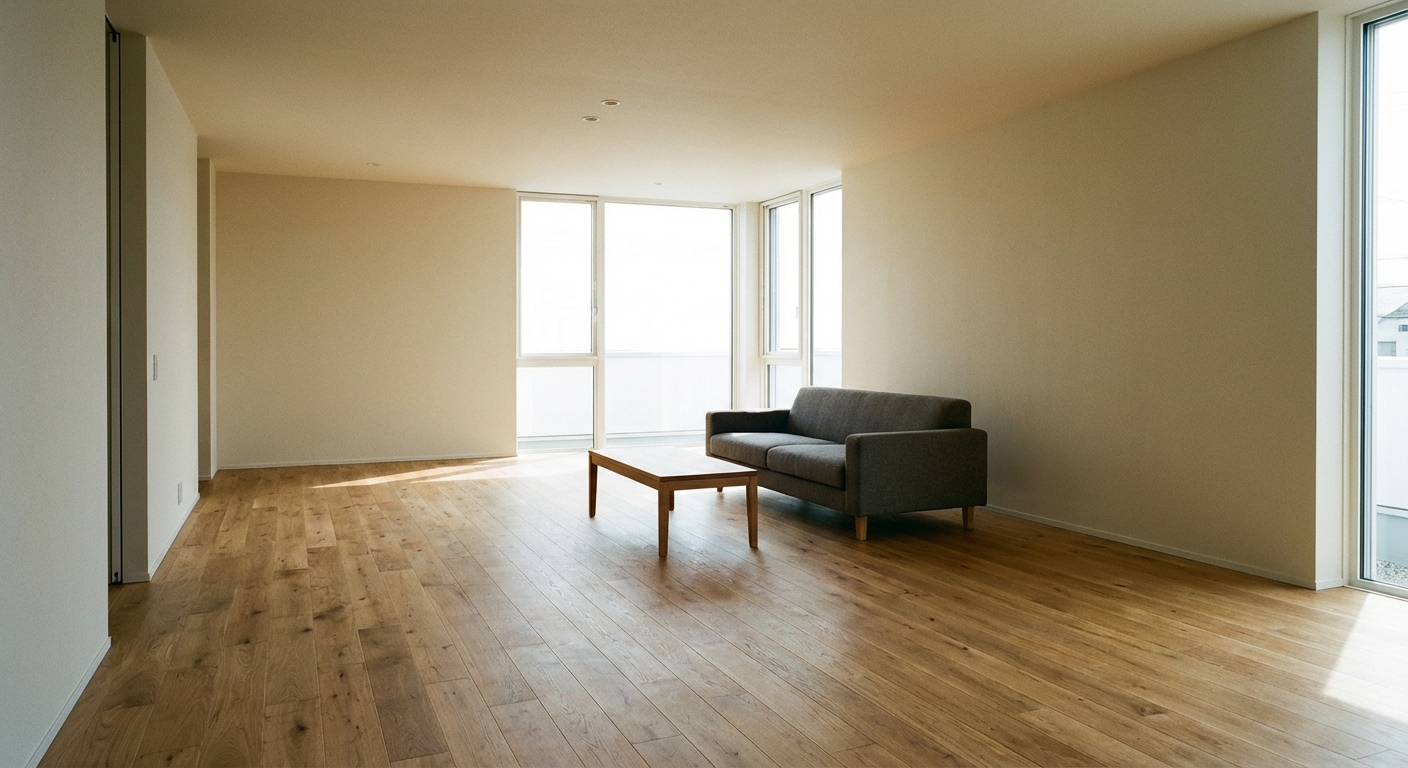
Upload your room photo in the app to see your real transformation
Color Palette
Click any color to copy hex code
Why It Works
Mid-century modern design emerged between 1945 and 1970, driven by post-war optimism, new manufacturing technologies, and a generation hungry for homes that reflected a forward-looking America. Designers like Charles and Ray Eames, Eero Saarinen, George Nelson, and Arne Jacobsen pioneered techniques for bending plywood, casting fiberglass, and shaping molded plastic — creating furniture forms that were impossible a decade earlier. The movement was also deeply influenced by the California Case Study Houses, which blurred the boundary between indoors and outdoors with walls of glass and open floor plans. Mid-century modern endures because its furniture is genuinely timeless — the Eames lounge chair designed in 1956 looks as relevant today as it did then. The style balances warmth and optimism: organic curves and rich wood tones prevent the clean lines from feeling sterile, while bold accent colors inject personality without chaos.
Best for
- people who will edit objects, not only add them
- anyone planning a real living room where conversation distance, TV glare, and traffic past the sofa matter more than Pinterest perfection
- projects already thinking about walnut, lighting and needing a coherent layout
Skip if
- you will not address conversation distance and only want a filter look
- you need the room finished tomorrow with zero test fits
Common mistakes
People pin modern living room ideas and then keeping bulky traditional silhouettes and only changing throw pillows. Details like walnut, lighting only work if the plan respects conversation distance, TV glare, and traffic past the sofa. Another miss: pushing every seat against the walls and calling the empty middle “open”.
Decide this first
fix the primary seating pair and one clear path before decorative chairs. Lock few finishes, low profiles, quiet hardware as a short list, then use Intero on a real photo so scale and light are honest before you spend.
How to Achieve This Look
- 1
Choose a sofa with tapered legs and a low-slung profile
- 2
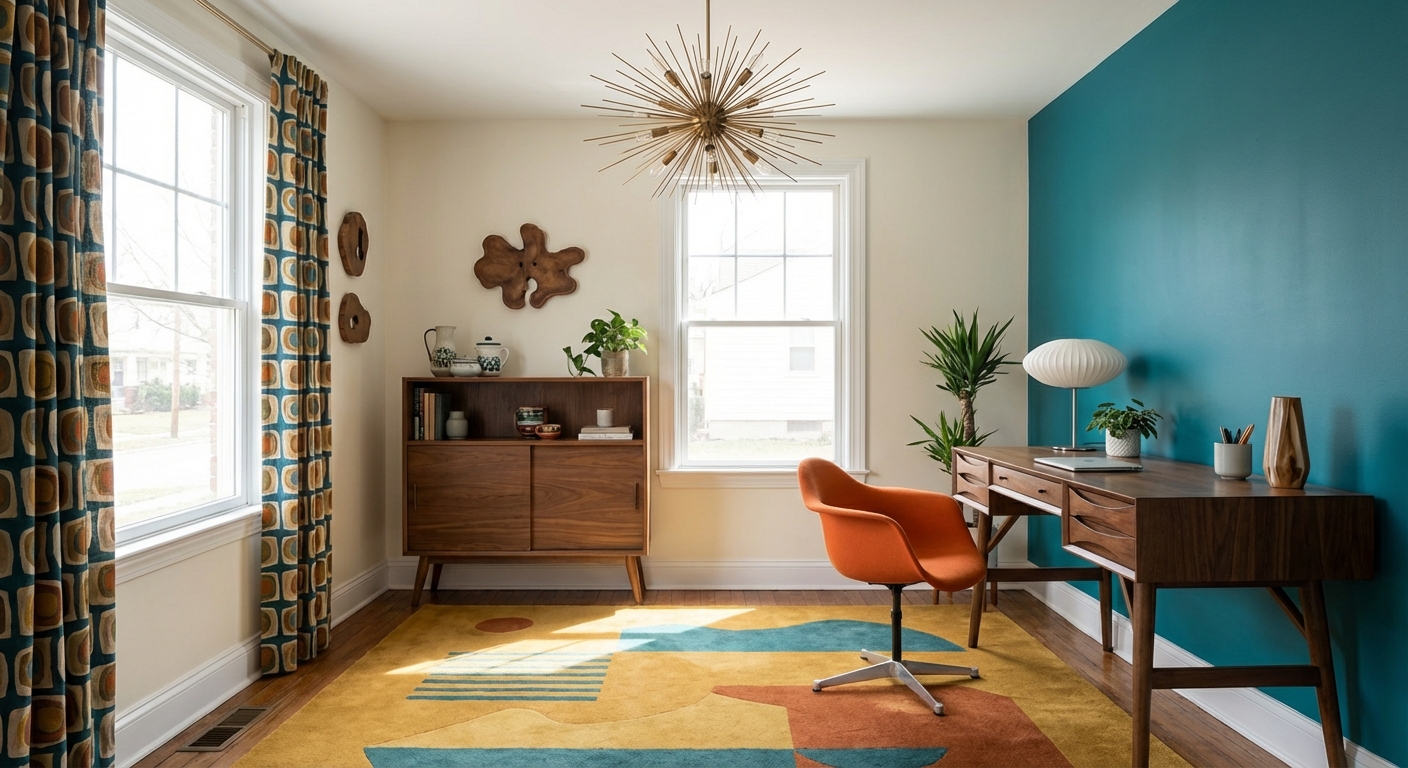
Add a teak or walnut credenza as the main storage piece
- 3
Select one or two accent chairs with organic curves
- 4
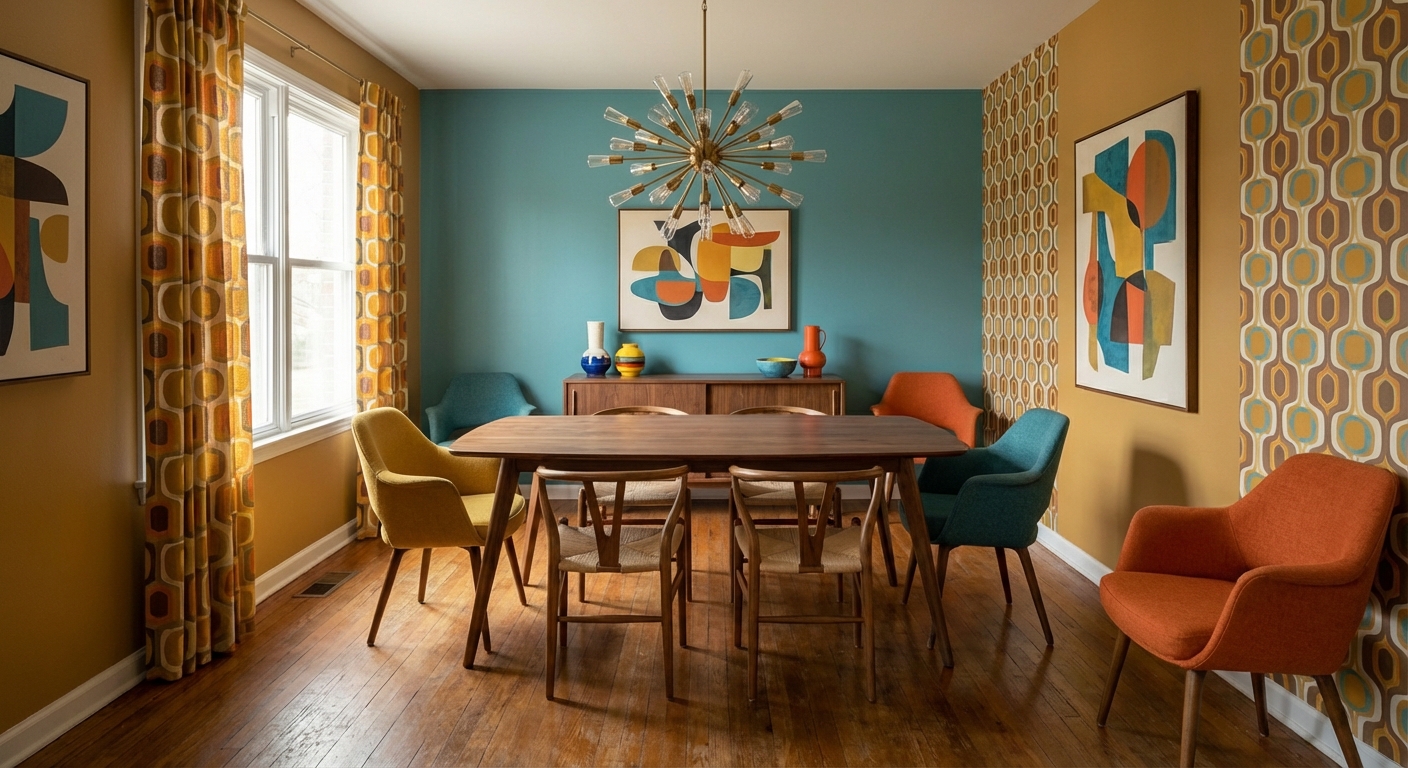
Use bold accent colors — mustard, olive, or burnt orange — sparingly
- 5
Install a Sputnik or globe-style chandelier
- 6
Add graphic mid-century art or a starburst mirror as a focal point
Layout & materials
Start with architecture or its illusion: large windows, clean horizontal lines, and an open floor plan. If your home lacks these, use furniture placement to suggest openness. The wood palette centers on warm tones — teak, walnut, and rosewood — with visible grain and tapered legs on every piece of furniture. Iconic furniture defines the style: look for the Eames lounge chair, the Tulip table, the Wishbone chair, or affordable reproductions that capture the same organic-meets-geometric forms. The color palette layers rich, saturated accent colors — mustard yellow, olive green, burnt orange, teal — over a neutral base of white, cream, or warm gray. Lighting is sculptural: the Nelson Bubble lamp, the Arco floor lamp, or Sputnik chandeliers. Textiles feature bold geometric or abstract patterns: think Marimekko prints, atomic-era motifs, and color-blocked cushions. Indoor-outdoor connection is essential — add large-scale plants and position furniture to face windows.
Authentic mid-century pieces hold their value — spend on one original Eames or Jacobsen chair and fill the rest with quality reproductions.
Intero AI helps you see how mid-century modern pieces would look in your specific rooms. Upload a photo and test warm wood tones, bold accent walls, and iconic furniture placements. Whether you are going full MCM or blending mid-century pieces into a contemporary space, AI visualization helps you find the right balance.
How They Compare
Try both styles with Intero AI — upload a photo and compare side by side
Frequently Asked Questions
Q1 Is mid-century modern still in style?
Mid-century modern has been one of the most enduring design styles for over seventy years and shows no signs of fading. Its timeless furniture forms, warm materials, and adaptable aesthetic continue to resonate with new generations. It also mixes exceptionally well with contemporary elements.
Q2 What are the essential mid-century modern furniture pieces?
A lounge chair with organic curves (Eames or equivalent), a low-profile sofa with tapered legs, a tulip or pedestal dining table, a credenza or sideboard in teak or walnut, and at least one sculptural lighting fixture. These pieces anchor the style.
Q3 How do I get mid-century modern on a budget?
Focus on two or three key pieces rather than furnishing an entire room at once. High-quality reproductions of iconic designs are widely available. Vintage shops and estate sales are excellent sources for authentic pieces at lower prices. Pair a few statement MCM items with simple, affordable basics.
Q4 What is the difference between mid-century modern and modern?
Both share clean lines and functional design, but mid-century modern is specifically from the 1945-1970 era with distinctive organic curves, bold colors, and optimistic character. Modern is a broader category encompassing the entire 20th century movement. MCM furniture has more warmth, color, and personality than the austere early modernism of Bauhaus.
Related searches
These are the next pages people usually open while narrowing this design direction.
Ready to See This Style in Your Room?
Download Intero and preview this design on your own room photo.
No credit card. No signup. Just results.
Scan to download
Point your phone camera at a code

