Mid-Century Modern vs Modern — Vintage Icon or Current Evolution?
Mid-century modern is a specific era; modern is its broader parent movement. Understanding where one ends and the other begins helps you design with clarity.
What is Mid-Century Modern vs Modern: Retro vs Current?
Mid-century modern is a specific era; modern is its broader parent movement. Understanding where one ends and the other begins helps you design with clarity.
2/4
See the Transformation
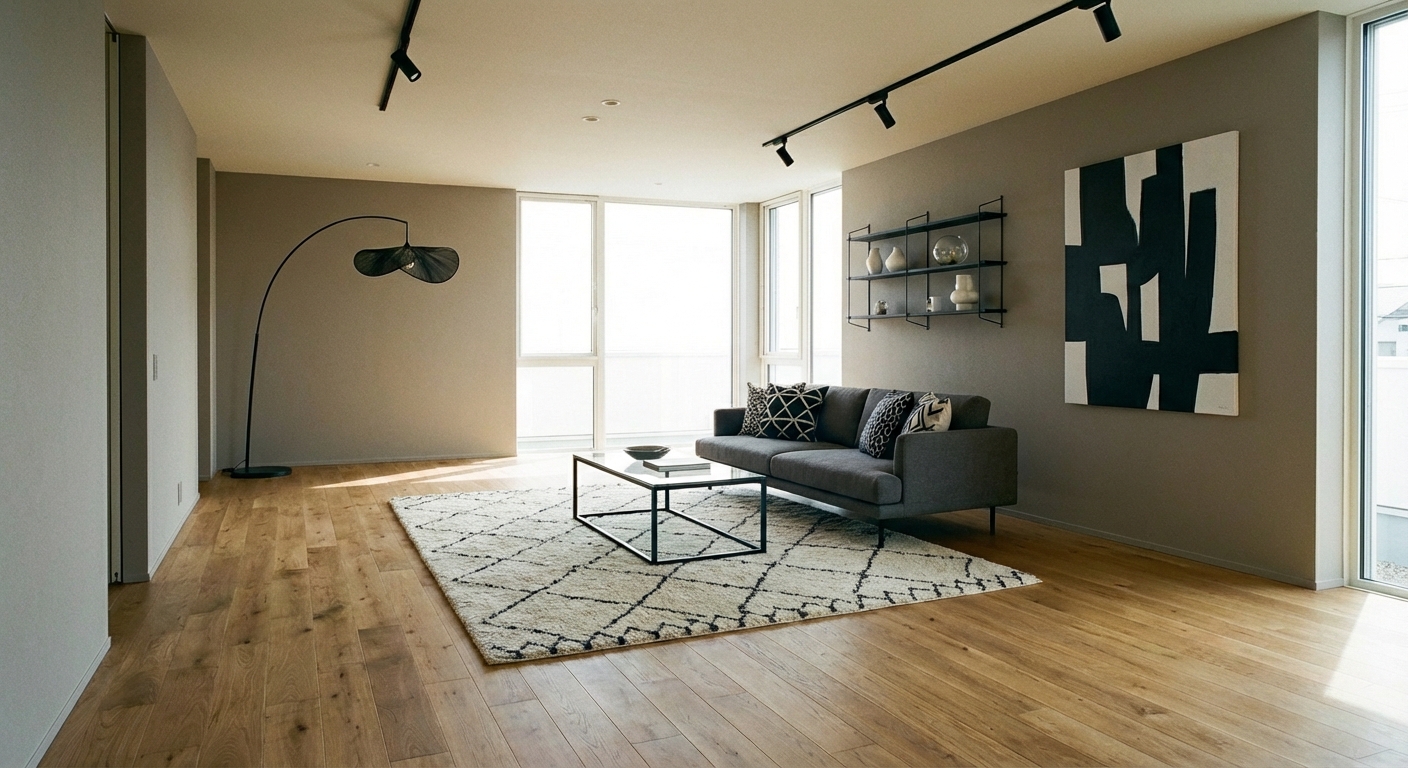
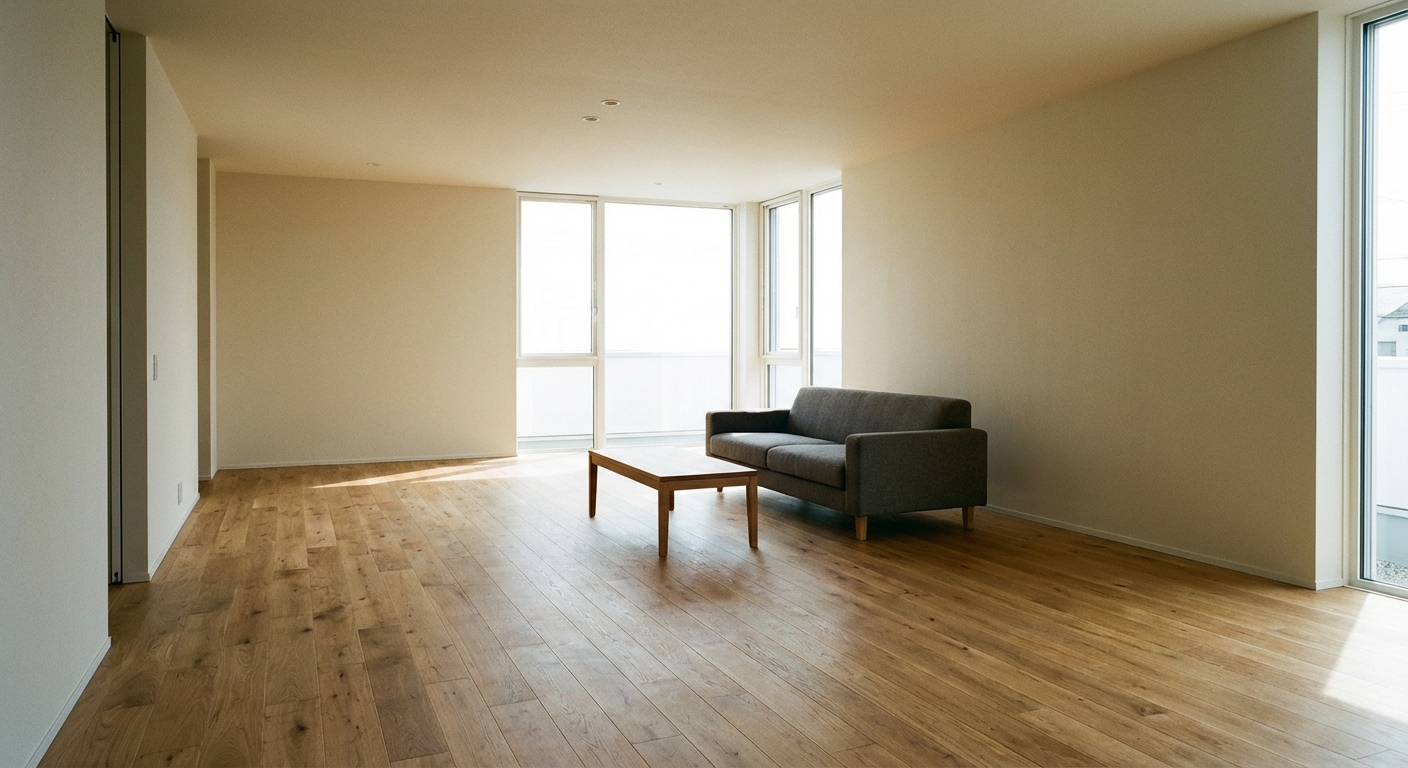
Upload your room photo in the app to see your real transformation
Color Palette
Click any color to copy hex code
Why It Works
Mid-century modern is a subset of the broader modern design movement, spanning roughly 1945-1975. It is defined by specific characteristics: organic forms, tapered legs, warm woods like walnut and teak, bold accent colors, and an optimistic postwar aesthetic. "Modern" as a broader category encompasses the entire modernist movement from Bauhaus (1919) through today — including brutalism, minimalism, deconstructivism, and contemporary modernism. Mid-century modern is the most popular and recognizable chapter of modern design, but it is not the whole story.
Best for
- people who will edit objects, not only add them
- anyone planning a real living room where conversation distance, TV glare, and traffic past the sofa matter more than Pinterest perfection
- projects already thinking about walnut and needing a coherent layout
Skip if
- you will not address conversation distance and only want a filter look
- you need the room finished tomorrow with zero test fits
Common mistakes
The usual modern living room miss is keeping bulky traditional silhouettes and only changing throw pillows. Details like walnut only work if the plan respects conversation distance, TV glare, and traffic past the sofa. Another miss: pushing every seat against the walls and calling the empty middle “open”.
Decide this first
fix the primary seating pair and one clear path before decorative chairs. Lock few finishes, low profiles, quiet hardware as a short list, then use Intero on a real photo so scale and light are honest before you spend.
How to Achieve This Look
- 1
Decide if you want a distinctly retro look or a timeless contemporary one
- 2
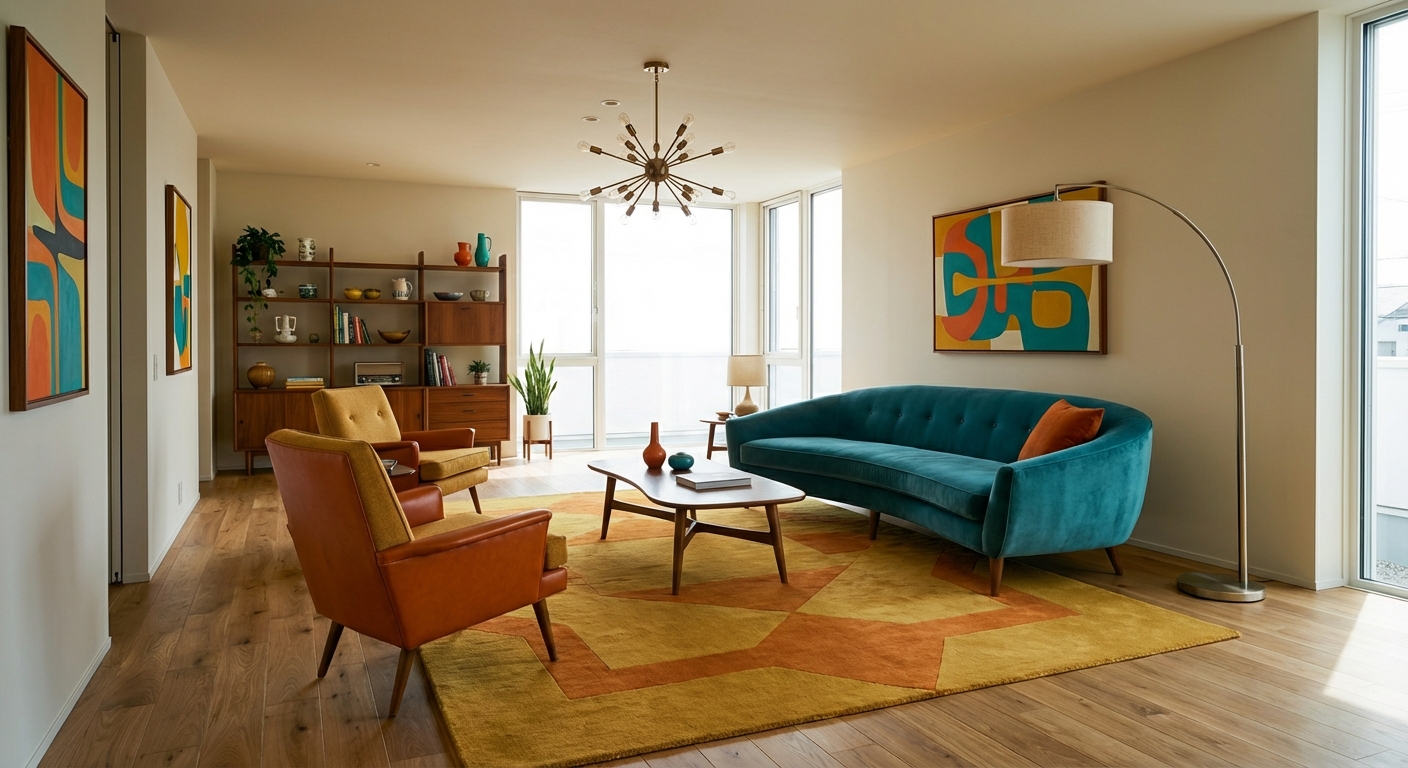
Mid-century: invest in tapered-leg furniture, teak credenzas, and Sputnik lights
- 3
Modern: choose furniture with current proportions and mixed materials
- 4
Mid-century: add bold color pops — mustard, teal, or burnt orange
- 5
Modern: keep the palette neutral with one subtle accent tone
- 6
Blend both: pair one authentic mid-century piece with modern surroundings
Layout & materials
For mid-century modern: choose iconic forms — Eames chairs, tulip tables, sputnik chandeliers. Use warm walnut and teak wood, bold accent colors (mustard, teal, burnt orange), and organic, sculptural shapes. For broader modern: embrace clean lines and functional design without period-specific references. Use a wider material palette — concrete, steel, glass alongside wood. The palette tends toward neutrals with more restrained accents. Modern is the principle; mid-century is one beloved expression of it.
Mid-century modern is a specific subset of modern design from the 1950s-60s. "Modern" is broader — start with mid-century pieces and modernize with current accents.
Intero AI helps you see the practical difference between a specifically mid-century room and a broadly modern one. Upload a photo and compare period-authentic mid-century furnishings against current modern interpretations to find your ideal position on the modernist spectrum.
Frequently Asked Questions
Q1 Is mid-century modern going out of style?
Mid-century modern has maintained design relevance for over 60 years, which suggests it is genuinely timeless rather than trendy. While specific elements (hairpin legs, sunburst mirrors) cycle in and out, the core principles of clean lines and warm materials remain universally appealing.
Q2 Can I mix mid-century pieces with other modern furniture?
Absolutely — mid-century pieces are among the most versatile to mix. Their clean lines and warm materials complement contemporary, Scandinavian, and even industrial furniture. The key is maintaining a cohesive color palette across eras.
Q3 Why is mid-century modern furniture so expensive?
Original vintage pieces command premium prices due to scarcity and collector demand. Licensed reproductions from brands like Herman Miller are expensive because of quality materials and manufacturing. Budget-friendly interpretations are widely available from retailers that capture the aesthetic without the pedigree.
Related searches
These are the next pages people usually open while narrowing this design direction.
Design Guides You'll Love
Ready to See This Style in Your Room?
Download Intero and preview this design on your own room photo.
No credit card. No signup. Just results.
Scan to download
Point your phone camera at a code

