Modern vs Minimalist — Are They Really the Same?
People often use these terms interchangeably, but modern and minimalist are distinct design philosophies. Understanding the difference helps you choose the right one.
What is Modern vs Minimalist: What Is the Difference??
People often use these terms interchangeably, but modern and minimalist are distinct design philosophies. Understanding the difference helps you choose the right one.
2/4
See the Transformation
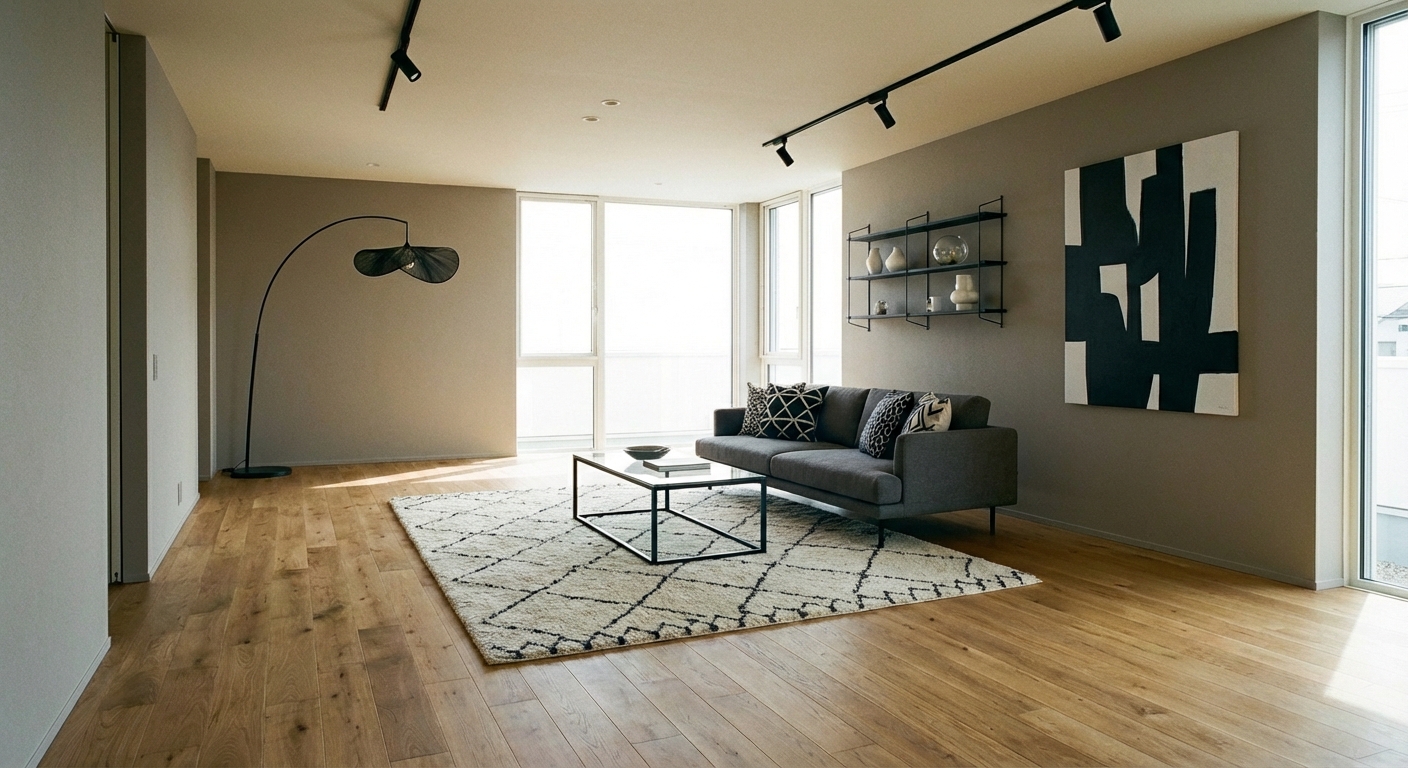
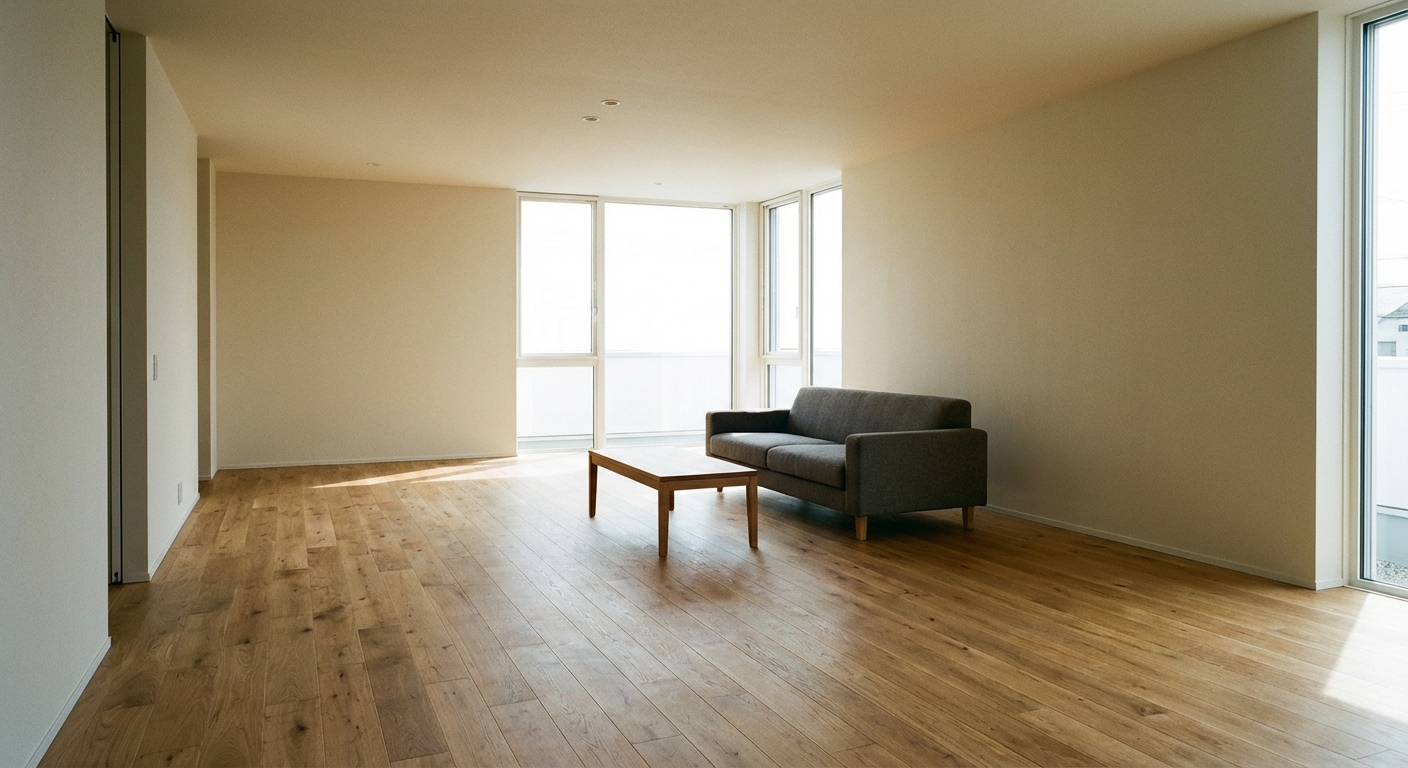
Upload your room photo in the app to see your real transformation
Color Palette
Click any color to copy hex code
Why It Works
Modern design is a historical movement rooted in mid-20th century aesthetics — it embraces clean lines, natural materials, and functional furniture but allows for color, texture, and decorative objects. Minimalism is a philosophy of radical reduction — every object must earn its place through essential function, and the aesthetic is defined as much by what is absent as what is present. Modern rooms can have five accessories on a shelf; minimalist rooms have one or none. Modern embraces warm woods and bold accent colors; minimalism tends toward monochromatic palettes and empty surfaces.
Best for
- people who will edit objects, not only add them
- anyone planning a real living room where conversation distance, TV glare, and traffic past the sofa matter more than Pinterest perfection
- projects that will change layout and light, not only accessories
Skip if
- you will not address conversation distance and only want a filter look
- you need the room finished tomorrow with zero test fits
Common mistakes
In a living room, “modern” fails when you keeping bulky traditional silhouettes and only changing throw pillows. Respect conversation distance, TV glare, and traffic past the sofa before finishes. Another miss: pushing every seat against the walls and calling the empty middle “open”.
Decide this first
fix the primary seating pair and one clear path before decorative chairs. Lock few finishes, low profiles, quiet hardware as a short list, then use Intero on a real photo so scale and light are honest before you spend.
How to Achieve This Look
- 1
Define your comfort level with empty space
- 2
Modern: choose quality pieces with some decorative flair
- 3
Minimalist: reduce to only functional essentials
- 4
Both: stick to clean lines and avoid ornate details
- 5
Test by removing items gradually until the room feels right
- 6
Use Intero to visualize both approaches before committing
Layout & materials
For a modern look: choose furniture with clean lines and tapered legs, use a mix of materials (wood, metal, glass), add accent colors through pillows and art, and keep surfaces organized but not empty. For a minimalist look: reduce furniture to the absolute essentials, use a monochromatic or very limited color palette, keep all surfaces clear, and ensure every object serves a necessary function. The simplest test: if removing an item would not affect the room function, a minimalist removes it while a modernist might keep it for aesthetic pleasure.
Modern allows accent colors and decorative objects; minimalist says remove them. Decide how bare you can live.
Intero AI lets you preview both modern and minimalist versions of your room side by side. Upload a photo and compare how each style transforms your space — helping you decide which philosophy matches your lifestyle before making any purchases.
Frequently Asked Questions
Q1 Can I combine modern and minimalist styles?
Yes — many people land in a sweet spot between the two, sometimes called "modern minimalism." This means choosing modern furniture with clean lines while maintaining a minimalist approach to quantity and clutter.
Q2 Which is easier to maintain — modern or minimalist?
Minimalist spaces are easier to clean (fewer objects, clear surfaces) but harder to maintain philosophically — every purchase requires deliberation. Modern spaces allow more flexibility in accumulating objects but require regular editing to avoid clutter.
Q3 Which style works better for families?
Modern design tends to be more family-friendly because it allows for more objects, color, and personality. Pure minimalism can be challenging with children who naturally accumulate toys, art supplies, and gear.
Related searches
These are the next pages people usually open while narrowing this design direction.
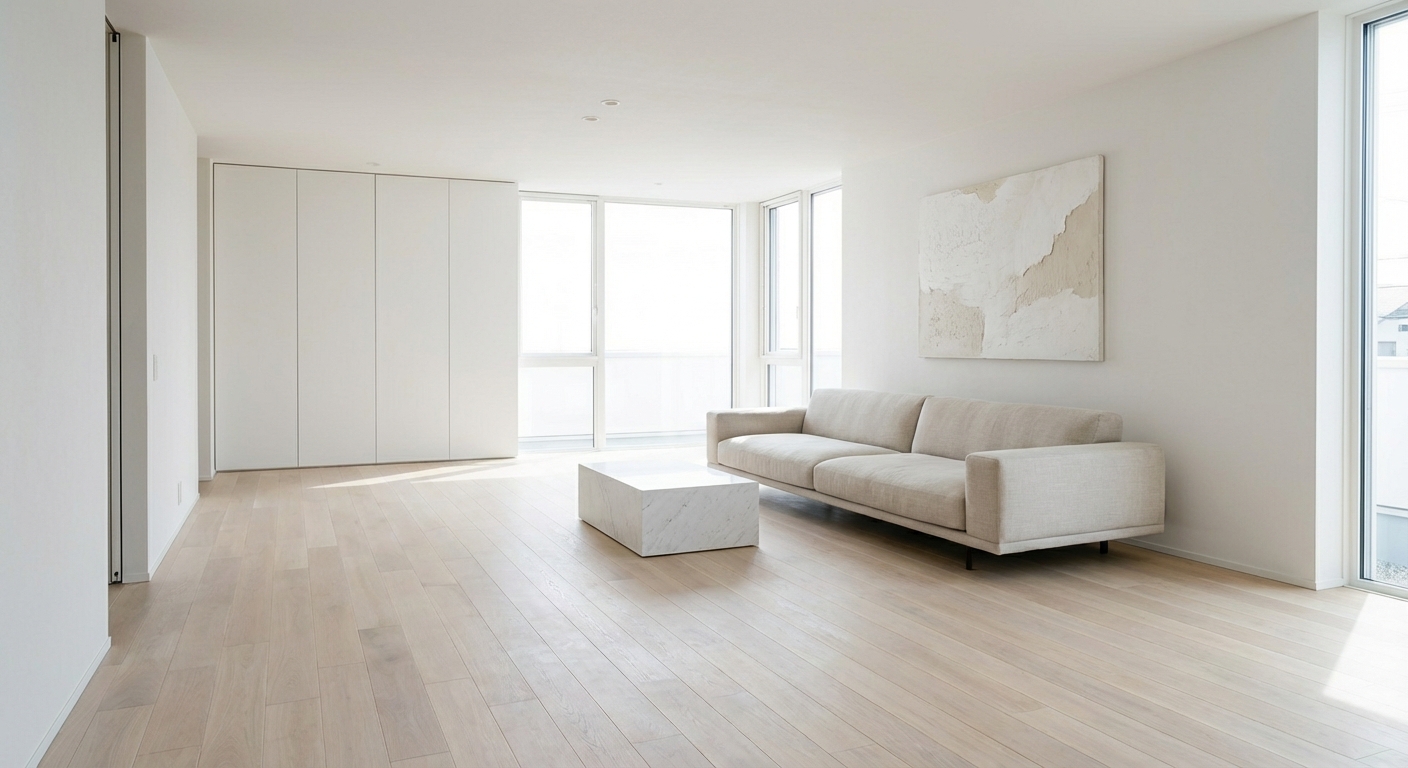
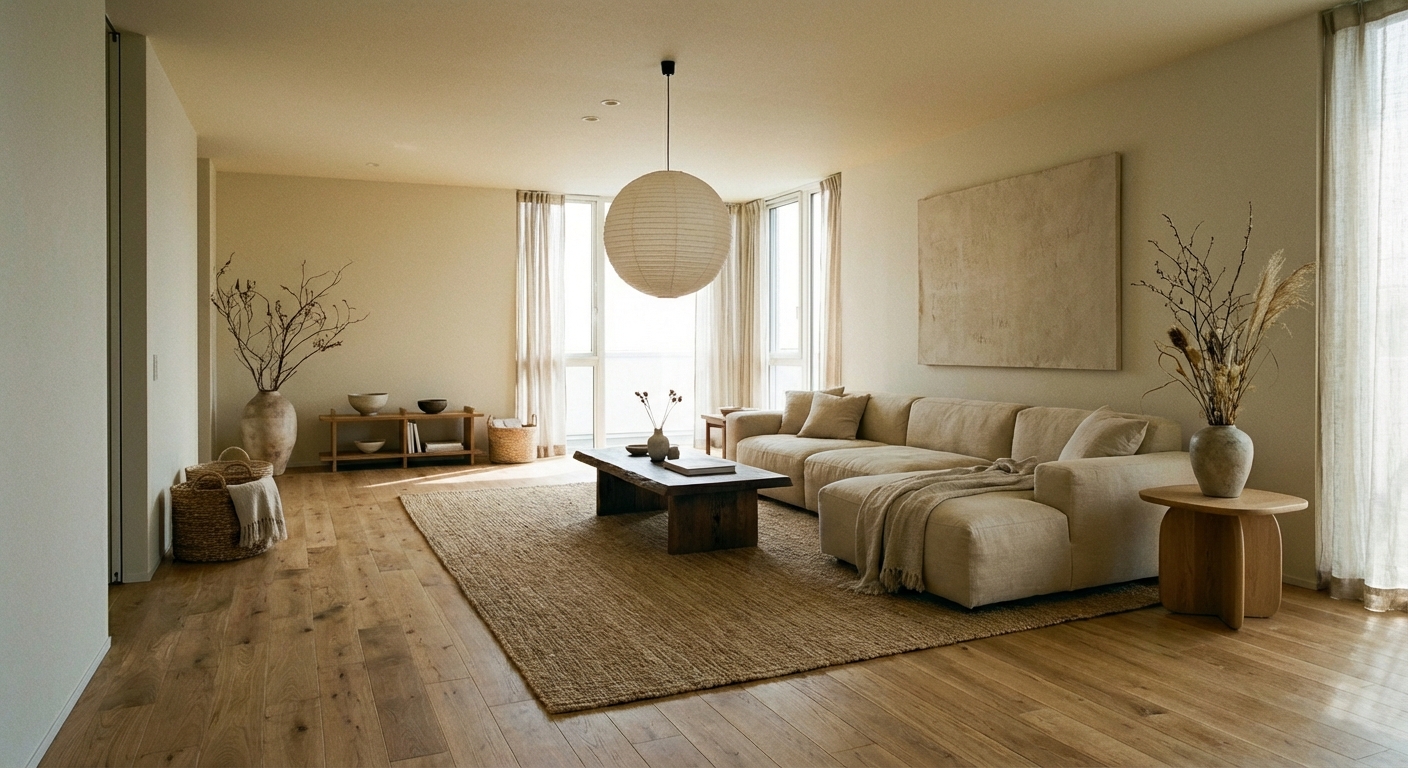
Design Guides You'll Love
Ready to See This Style in Your Room?
Download Intero and preview this design on your own room photo.
No credit card. No signup. Just results.
Scan to download
Point your phone camera at a code

