Retro vs Mid-Century Modern — Shag Carpet or Eames Chair?
Both look backward for inspiration, but retro revels in the bold excess of the 1970s while mid-century modern channels the disciplined innovation of the 1950s-60s.
What is Retro vs Mid-Century Modern: 70s Revival vs 50s-60s Modernism?
Both look backward for inspiration, but retro revels in the bold excess of the 1970s while mid-century modern channels the disciplined innovation of the 1950s-60s.
See the Transformation
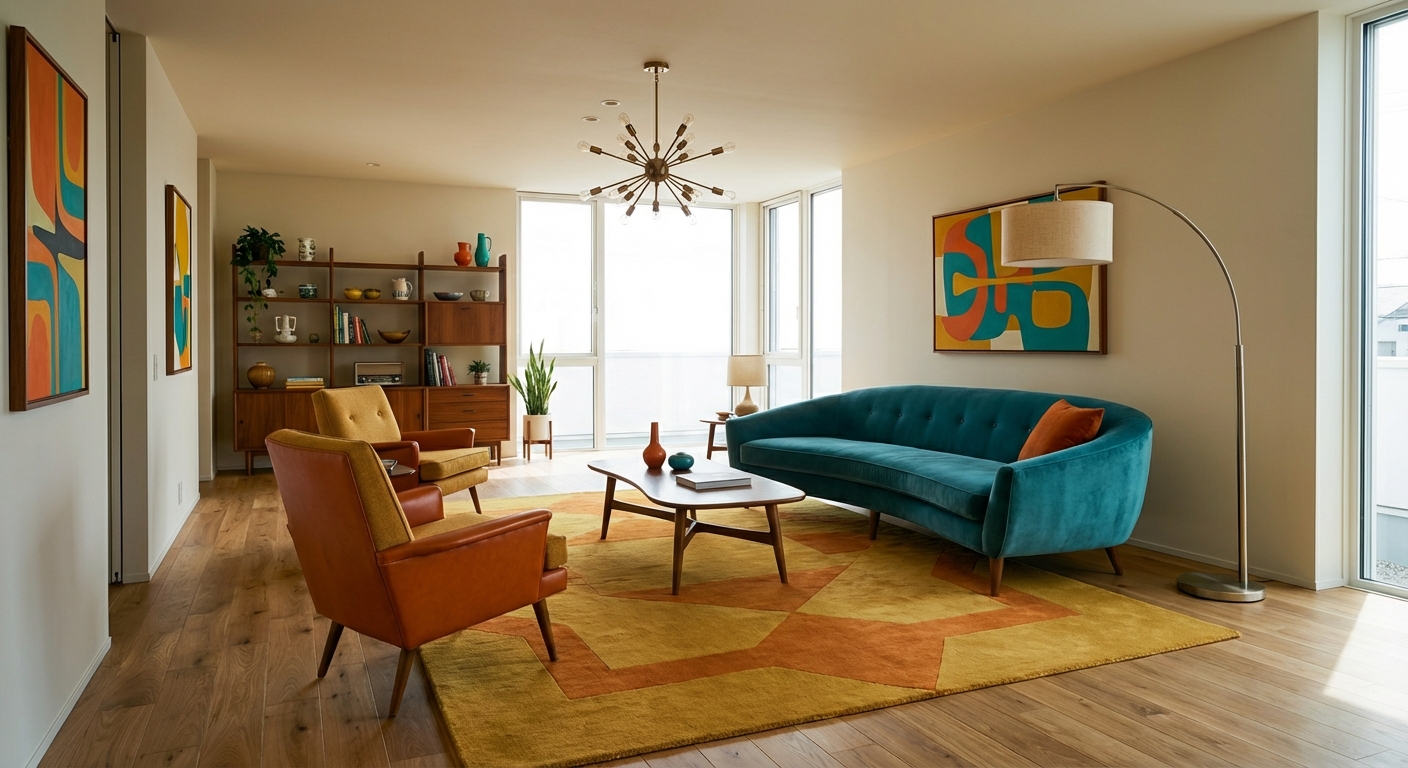
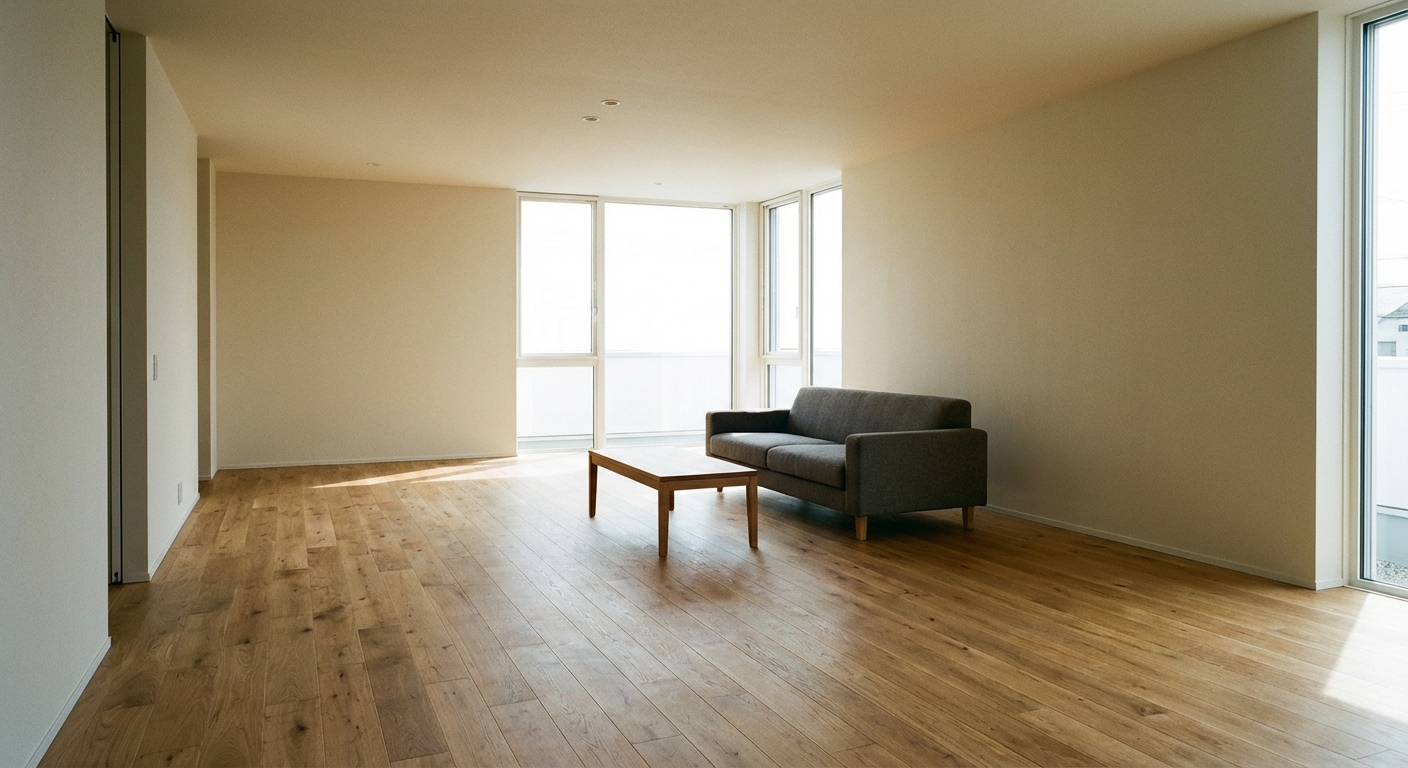
Upload your room photo in the app to see your real transformation
Why It Works
Mid-century modern (1945-1969) was defined by form-follows-function optimism — tapered legs, organic curves, minimal ornament, and innovative materials (molded plywood, fiberglass, steel) created furniture that was simultaneously practical and beautiful. Retro design (loosely 1965-1985) embraced what mid-century restrained: bold color, exuberant pattern, textured surfaces, and decorative excess. Where mid-century placed a single iconic chair on a clean floor, retro covered that floor in orange shag and surrounded the chair with macrame, lava lamps, and geometric wallpaper. Both eras are having major revivals: mid-century for its timeless, investment-piece quality; retro for its warmth, personality, and irreverent joy.
Best for
- people who will edit objects, not only add them
- anyone planning a real living room where conversation distance, TV glare, and traffic past the sofa matter more than Pinterest perfection
- projects already thinking about walnut and needing a coherent layout
Skip if
- you will not address conversation distance and only want a filter look
- you refuse to remove anything and only add decor
Common mistakes
People pin modern living room ideas and then keeping bulky traditional silhouettes and only changing throw pillows. Details like walnut only work if the plan respects conversation distance, TV glare, and traffic past the sofa. Another miss: pushing every seat against the walls and calling the empty middle “open”.
Decide this first
fix the primary seating pair and one clear path before decorative chairs. Lock few finishes, low profiles, quiet hardware as a short list, then use Intero on a real photo so scale and light are honest before you spend.
How to Achieve This Look
For mid-century modern: choose iconic silhouettes — tapered legs, shell chairs, low-slung credenzas. Use a palette of warm neutrals (walnut, caramel, cream) with one or two accent colors (mustard, teal, burnt orange). Keep lines clean and surfaces uncluttered. For retro: embrace pattern and texture — geometric wallpaper, textured upholstery, and layered accessories. Use a warmer, bolder palette: avocado green, harvest gold, burnt orange, chocolate brown, and sunset hues. Add tactile elements: macrame, shag or textured rugs, velvet upholstery, and ceramic pottery. The distinction: mid-century is restrained and edited; retro is exuberant and layered.
Intero AI lets you preview both mid-century restraint and retro exuberance in your room. Compare how a clean-lined walnut credenza with minimal styling differs from a bold geometric wallpaper with layered textiles to find your ideal era reference.
Frequently Asked Questions
Q1 Can I mix retro and mid-century?
They mix naturally because retro evolved from mid-century. Start with mid-century furniture as the structural foundation, then add retro accent pieces — a bold rug, patterned cushions, or a vintage ceramic collection. The mid-century bones keep the room grounded while retro accents add personality and warmth.
Q2 Which resells better?
Mid-century modern. Iconic pieces (Eames, Knoll, Herman Miller) have appreciated consistently for decades and are considered design investments. Retro pieces are having a value surge but are not yet at the investment level of classic mid-century designs. Both are trending upward in the resale market.
Q3 Which suits a modern apartment better?
Mid-century modern adapts to any modern space thanks to its clean lines and warm neutrals. Retro requires more commitment — bold patterns and colors that work beautifully in one room may overwhelm another. Start with mid-century and add retro accents to find your comfort level.
Related searches
These are the next pages people usually open while narrowing this design direction.
You Might Also Like
Design Guides You'll Love
Ready to See This Style in Your Room?
Download Intero and preview this design on your own room photo.
No credit card. No signup. Just results.
Scan to download
Point your phone camera at a code

