No Fireplace? No View? No Problem — Create Your Own Focal Point
Rooms without a natural focal point feel aimless. Your eye wanders, your furniture floats, and nothing feels anchored. Here is how to give a room its center of gravity.
What is How to Create a Focal Point in a Room That Has None?
Rooms without a natural focal point feel aimless. Your eye wanders, your furniture floats, and nothing feels anchored. Here is how to give a room its center of gravity.
See the Transformation
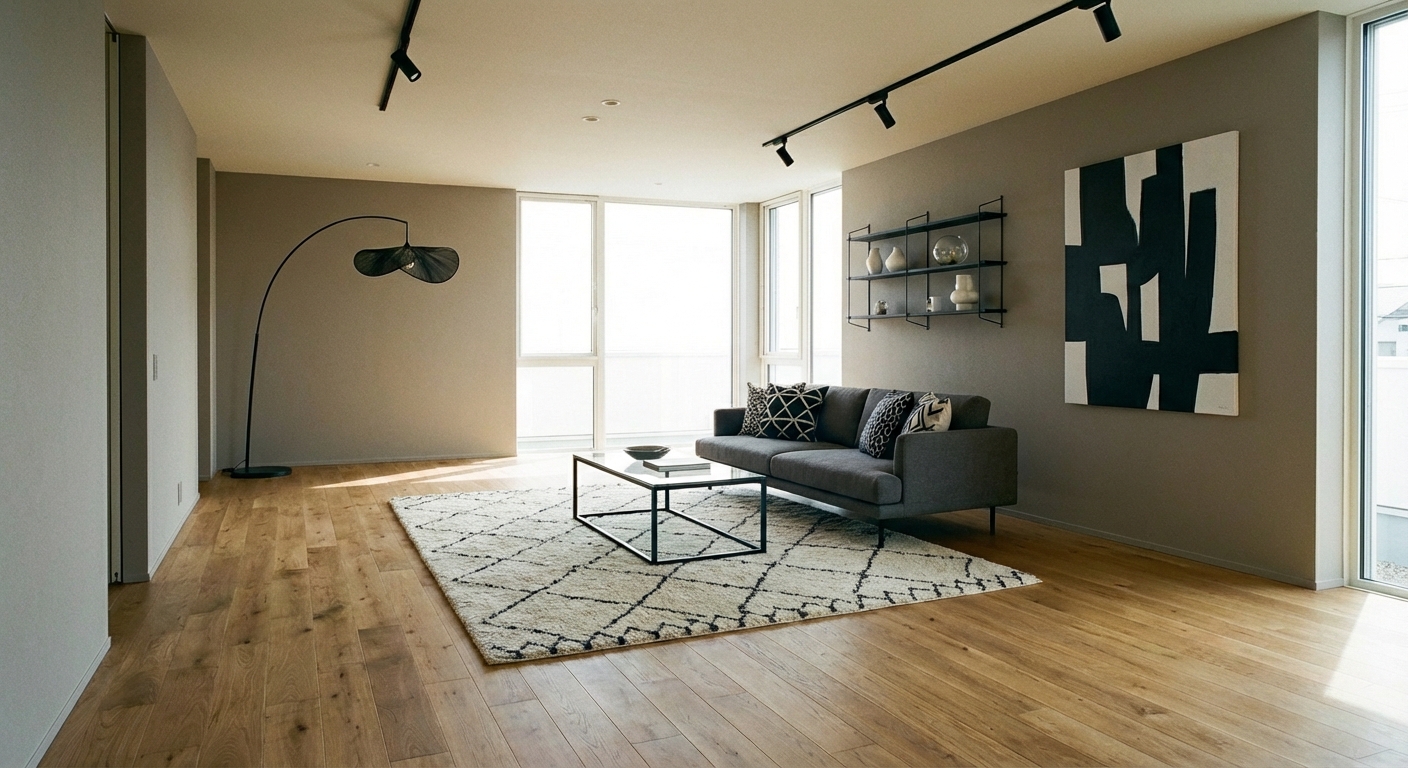
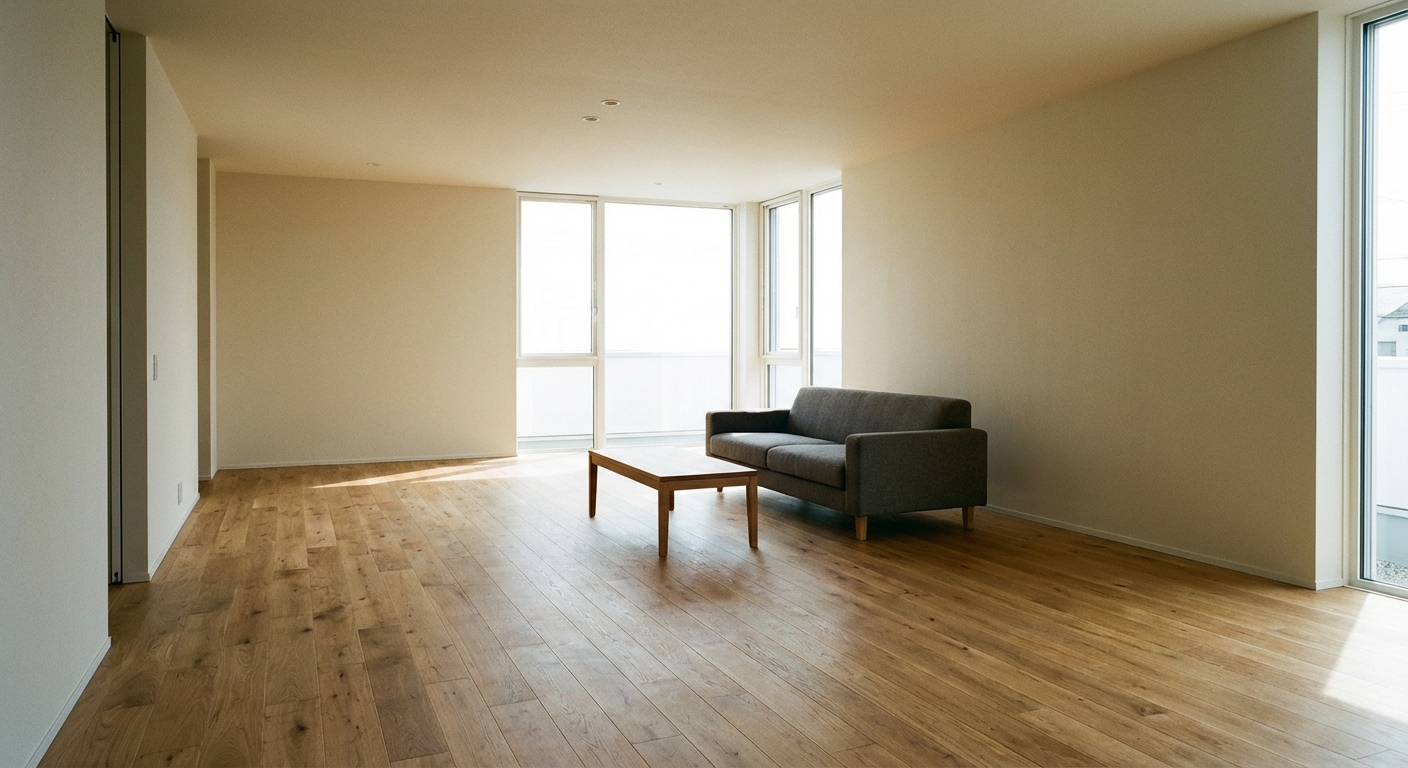
Upload your room photo in the app to see your real transformation
Why It Works
The human eye needs a landing spot when entering a room. In rooms with fireplaces, large windows, or architectural features, the focal point is built in. In modern construction — especially apartments and new builds — rooms are often featureless boxes with no natural anchor. Without a focal point, furniture arrangement feels arbitrary, the eye bounces restlessly, and the room lacks the sense of intention that makes spaces feel designed. Creating a focal point solves all three problems: it gives furniture an orientation, the eye a destination, and the room a sense of purpose.
How to Achieve This Look
Option 1: Oversized art. A single large piece (at least 40x60 inches) on the most visible wall commands attention and organizes the room around it. Option 2: Accent wall. A limewash, wallpaper, or painted accent wall on the wall behind the primary seating creates architectural interest where none existed. Option 3: Statement furniture. A bold sofa, a dramatic console, or a sculptural bookcase can serve as the focal piece. Option 4: Lighting as focal point. A large pendant, chandelier, or artistic floor lamp draws the eye and anchors the room vertically. Option 5: Media wall. A well-designed TV wall with built-in shelving and integrated lighting creates a modern focal point. The key is committing to one — a room with three competing focal points is as directionless as a room with none.
Choosing the right focal point requires seeing it in context. Intero AI lets you preview different focal point strategies — oversized art, accent walls, statement furniture, and dramatic lighting — in your actual room to determine which creates the strongest visual anchor.
"Finally an app that understands my taste. Every room turned out perfect."
— Priya K.
Frequently Asked Questions
Q1 What makes the best focal point in a living room?
A large piece of art or a well-designed accent wall behind the sofa is the most reliable focal point for a living room. It is visible from the entry, organizes seating around it, and can be changed over time without moving furniture.
Q2 Can a TV be a good focal point?
Yes, when designed intentionally. A TV mounted on a dark accent wall, surrounded by built-in shelving or flanked by sconces, becomes an integrated design feature. A TV perched on a random stand on a blank wall is not a focal point — it is a distraction.
Q3 How big should focal point art be?
The art should be at least two-thirds the width of the furniture below it. For a sofa wall, that means 48-72 inches wide. Undersized art on a large wall creates the opposite of a focal point — it draws attention to the emptiness around it.
Related searches
These are the next pages people usually open while narrowing this design direction.
You Might Also Like
Ready to Transform Your Room?
Download Intero and see this design in your space in seconds.
No credit card. No signup. Just results.