The Complete Guide to Rustic Modern Interior Design
Rustic modern takes the warmth and character of traditional rustic design and refines it with contemporary clean lines. The result: rooms that feel both grounded and current.
What is Complete Guide to Rustic Modern Design?
Rustic modern takes the warmth and character of traditional rustic design and refines it with contemporary clean lines. The result: rooms that feel both grounded and current.
See the Transformation
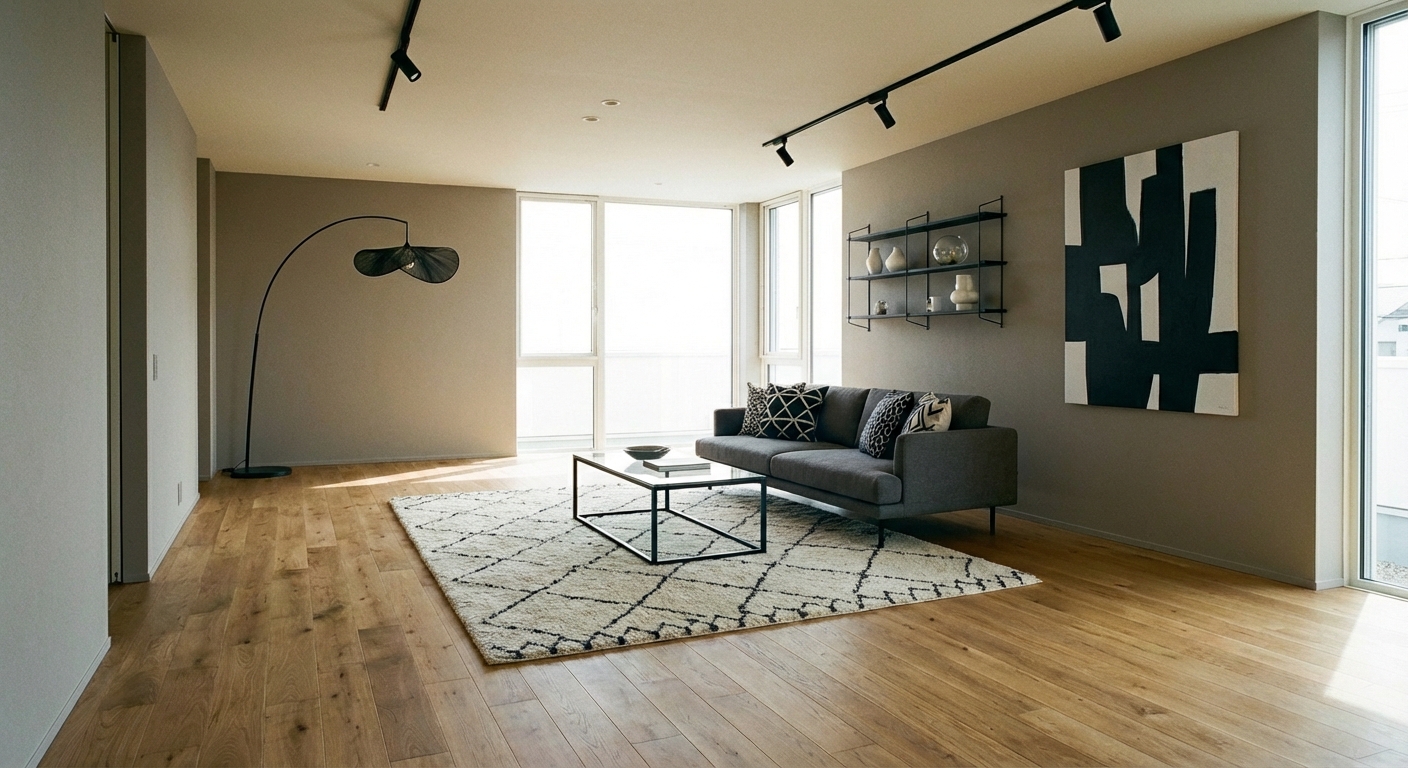
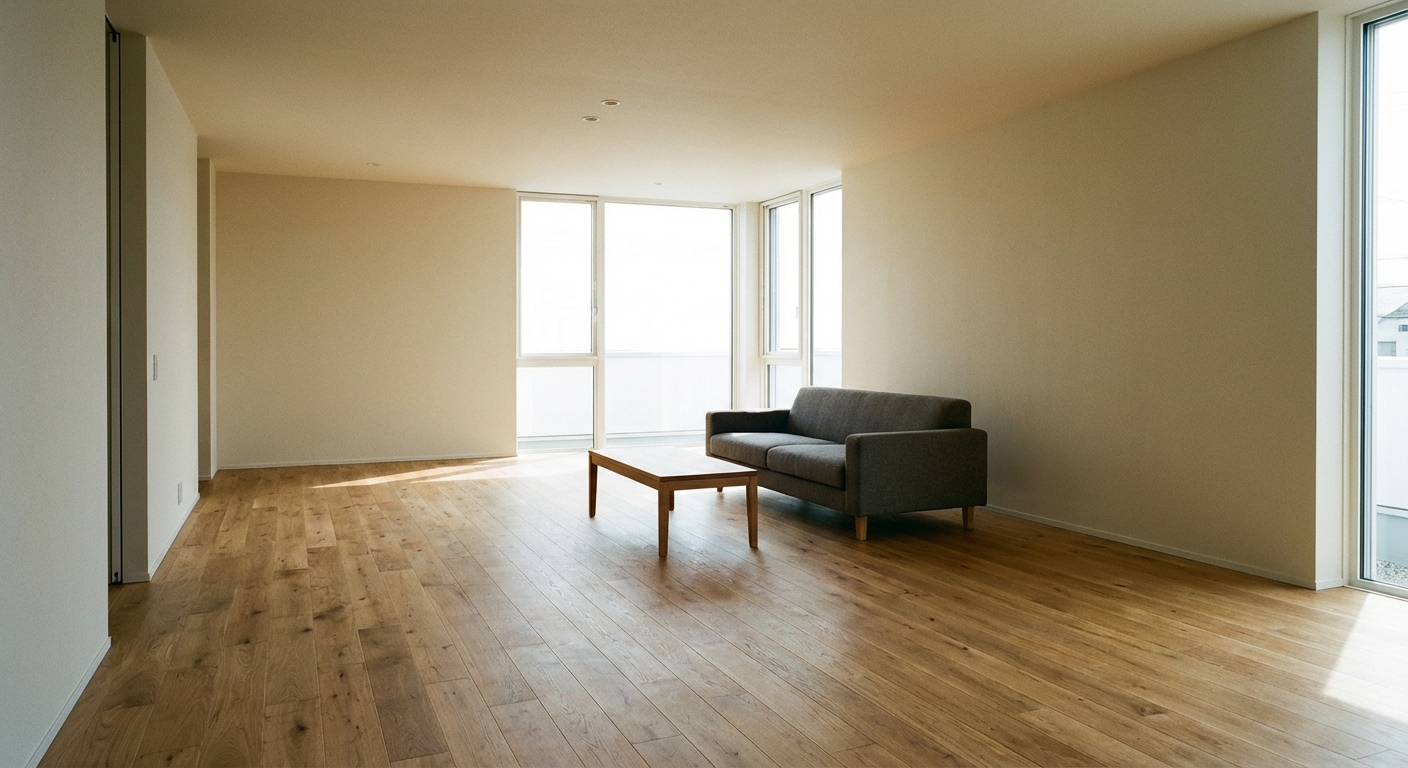
Upload your room photo in the app to see your real transformation
Why It Works
Traditional rustic design — heavy timber, stone fireplaces, knotty pine, and red plaid — can feel dated and heavy in modern homes. Rustic modern preserves the soul of rustic (natural materials, visible craftsmanship, warmth) while stripping away the clutter and heaviness. The style succeeds by treating natural materials with modern restraint: a reclaimed wood accent wall (rustic) in a room with a clean-lined sofa and minimal accessories (modern). The wood provides warmth, character, and biological connection to nature. The modern framework prevents it from feeling like a hunting lodge. This balance appeals to people who want their homes to feel warm and natural but not dated or themed.
Best for
- people who will edit objects, not only add them
- anyone planning a real living room where conversation distance, TV glare, and traffic past the sofa matter more than Pinterest perfection
- projects already thinking about sofa, walnut, linen and needing a coherent layout
Skip if
- you will not address conversation distance and only want a filter look
- you refuse to remove anything and only add decor
Common mistakes
In a living room, “modern” fails when you keeping bulky traditional silhouettes and only changing throw pillows. Details like sofa, walnut, linen only work if the plan respects conversation distance, TV glare, and traffic past the sofa. Another miss: pushing every seat against the walls and calling the empty middle “open”.
Decide this first
fix the primary seating pair and one clear path before decorative chairs. Lock few finishes, low profiles, quiet hardware as a short list, then use Intero on a real photo so scale and light are honest before you spend.
How to Achieve This Look
Lead with one statement natural material: a reclaimed wood accent wall, a live-edge dining table, exposed ceiling beams, or a stone fireplace surround. Keep the surrounding design clean and modern: white or warm neutral walls, simple furniture silhouettes, and minimal accessories. The palette is warm and natural: cream, warm gray, honey wood, and black or charcoal as a grounding accent. Use natural materials in modern forms: a clean-lined walnut credenza, a simple stone coffee table, linen upholstery in natural tones. Add texture through materials, not patterns: rough stone, smooth wood, nubby wool, and matte ceramic. Light the natural features intentionally — a spotlight on a wood accent wall or pendant lights that highlight a live-edge table.
Rustic modern design lives in the balance — too rustic and it feels like a cabin, too modern and the natural materials feel like props. Intero AI lets you preview different ratios of rustic features and modern restraint in your room to find the blend that feels naturally elegant.
Frequently Asked Questions
Q1 How is rustic modern different from farmhouse?
Farmhouse is a specific aesthetic tradition (white shiplap, barn doors, apron sinks) rooted in American country homes. Rustic modern is a broader design approach that combines any raw natural material with modern design principles. A live-edge walnut table in a minimalist room is rustic modern. White shiplap with an apron sink is farmhouse.
Q2 What is the best rustic feature for a modern home?
A reclaimed wood accent wall delivers the highest impact with the least commitment. It adds warmth, texture, and character to a single surface while the rest of the room stays clean and modern. DIY installation with peel-and-stick reclaimed wood planks costs $200-500 per wall.
Q3 Can rustic modern work in an apartment?
Yes — apartments benefit enormously from the warmth that rustic elements add to otherwise neutral, builder-grade spaces. Use portable rustic elements: a wood bench, a reclaimed wood shelf, raw ceramic pottery, and natural fiber rugs. These add rustic character without permanent modifications.
Q4 What materials define rustic modern?
Reclaimed or raw wood (the defining material), natural stone, leather, linen, raw ceramic, and matte metals (blackened iron, aged brass). The key is that materials show their natural state — visible grain, natural variation, and honest construction rather than painted, laminated, or perfectly uniform surfaces.
Related searches
These are the next pages people usually open while narrowing this design direction.
You Might Also Like
Ready to See This Style in Your Room?
Download Intero and preview this design on your own room photo.
No credit card. No signup. Just results.
Scan to download
Point your phone camera at a code

