Rustic Modern vs Industrial — Reclaimed Barn or Converted Factory?
Both celebrate raw materials and honest construction, but rustic modern warms the space with wood while industrial sharpens it with metal.
What is Rustic Modern vs Industrial: Natural Warmth vs Urban Edge?
Both celebrate raw materials and honest construction, but rustic modern warms the space with wood while industrial sharpens it with metal.
See the Transformation
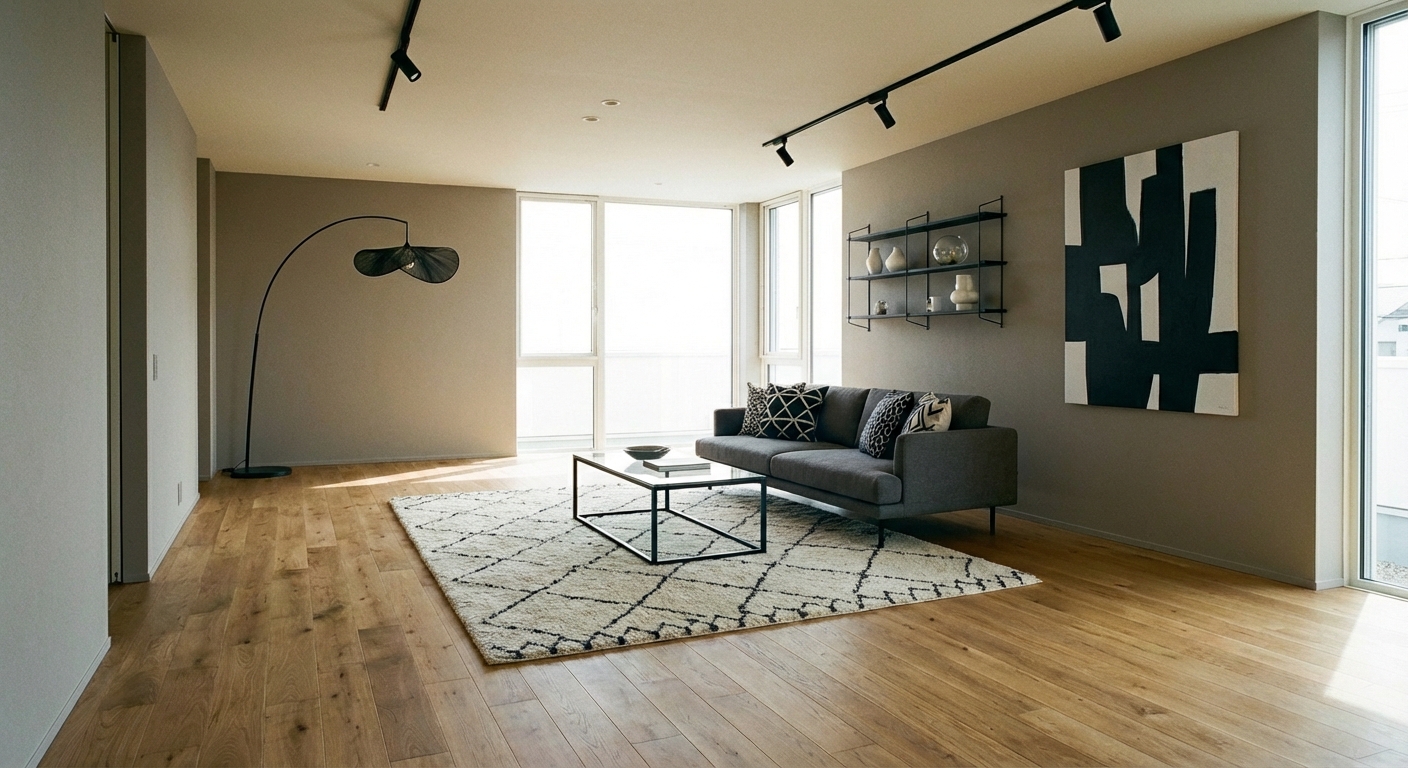
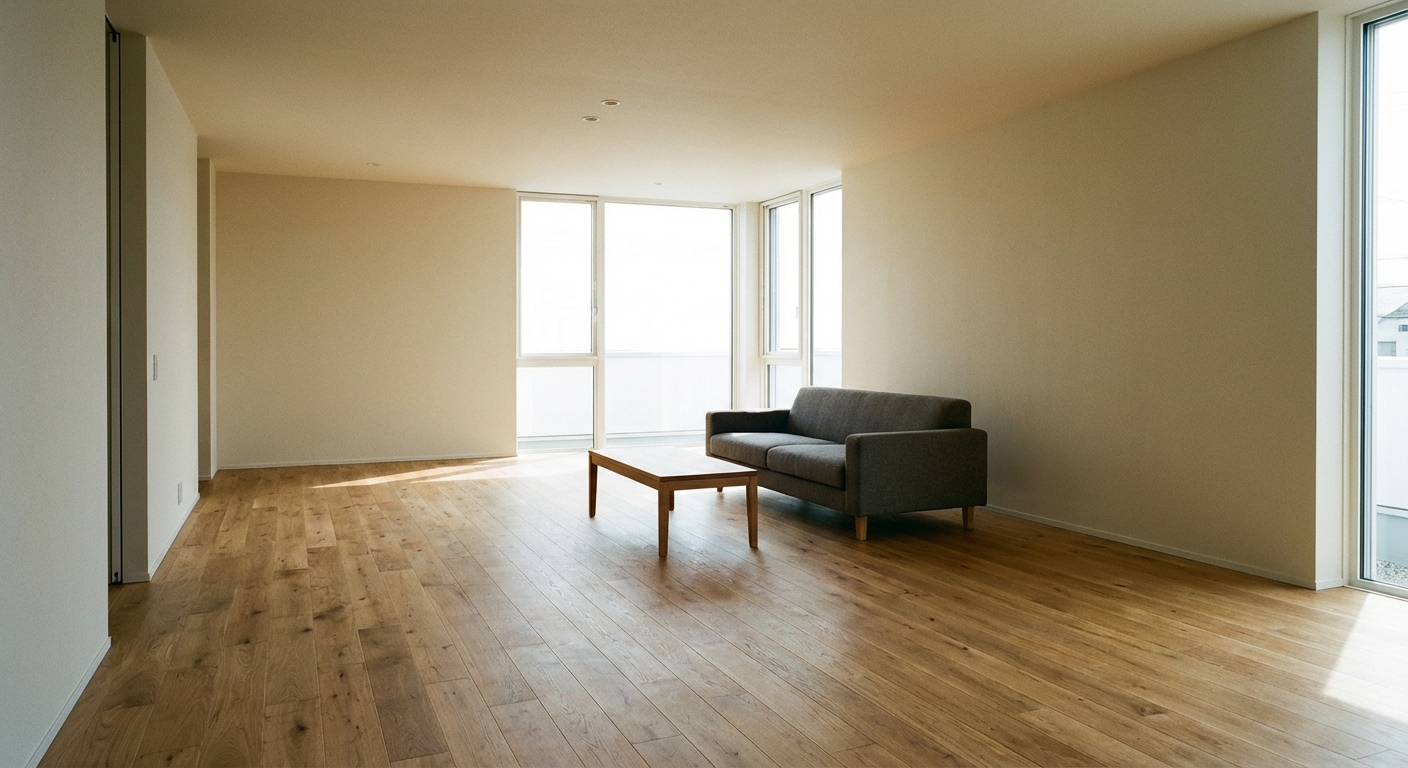
Upload your room photo in the app to see your real transformation
Why It Works
Rustic modern takes the warmth of traditional rustic design (rough-hewn wood, stone, natural textures) and cleans it up with modern lines and restraint. The result is rooms with natural warmth that still feel current — think a clean-lined sofa against a reclaimed wood accent wall. Industrial design draws from factory and warehouse aesthetics — exposed brick, metal piping, concrete floors, and commercial-style fixtures create rooms with urban edge. Both styles leave materials in a raw or semi-finished state, but the emotional registers are opposite: rustic modern says "mountain lodge refined"; industrial says "urban loft converted." The material split is clear — rustic modern leads with wood; industrial leads with metal.
Best for
- people who will edit objects, not only add them
- anyone planning a real living room where conversation distance, TV glare, and traffic past the sofa matter more than Pinterest perfection
- projects already thinking about sofa, pendant and needing a coherent layout
Skip if
- you will not address conversation distance and only want a filter look
- you refuse to remove anything and only add decor
Common mistakes
The usual modern living room miss is keeping bulky traditional silhouettes and only changing throw pillows. Details like sofa, pendant only work if the plan respects conversation distance, TV glare, and traffic past the sofa. Another miss: pushing every seat against the walls and calling the empty middle “open”.
Decide this first
fix the primary seating pair and one clear path before decorative chairs. Lock few finishes, low profiles, quiet hardware as a short list, then use Intero on a real photo so scale and light are honest before you spend.
How to Achieve This Look
For rustic modern: use reclaimed wood as the hero material — an accent wall, beam ceiling, or live-edge dining table. Combine with modern upholstered furniture in neutral fabrics. Keep the palette warm: cream, camel, warm gray, and natural wood tones. Add stone or concrete sparingly for texture. For industrial: expose structural elements — brick walls, ductwork, concrete floors. Use metal as the hero material — iron shelving, steel-frame furniture, commercial pendant lights. Add warmth with leather, worn wood, and warm-toned textiles to prevent the space from feeling cold. Both styles benefit from open floor plans and high ceilings.
Intero AI lets you preview both rustic modern warmth and industrial edge in your room. Upload a photo and compare how reclaimed wood accents and soft textures create a different atmosphere than exposed metal and concrete surfaces.
Frequently Asked Questions
Q1 Can I mix rustic modern and industrial?
Yes — the hybrid is called "rustic industrial" and it is extremely popular. Use the structural elements of industrial (metal, exposed brick) with the warmth of rustic modern (reclaimed wood, natural textiles). A live-edge wood table with metal hairpin legs is the iconic rustic-industrial piece.
Q2 Which suits a new-build home better?
Rustic modern adapts more easily to standard new construction — you can add wood accents, stone features, and natural materials without structural changes. Industrial design is most authentic in spaces with existing character (exposed brick, high ceilings) and harder to create convincingly from scratch.
Q3 Which is warmer?
Rustic modern is inherently warmer because wood is a warm material and the style emphasizes textiles and natural tones. Industrial can be warm when balanced with wood and leather, but its default state — metal, concrete, and glass — is cool and requires intentional warming.
Related searches
These are the next pages people usually open while narrowing this design direction.
You Might Also Like
Design Guides You'll Love
Ready to See This Style in Your Room?
Download Intero and preview this design on your own room photo.
No credit card. No signup. Just results.
Scan to download
Point your phone camera at a code

