The Complete Guide to Scandinavian Interior Design
Born from long Nordic winters and a deep respect for nature, Scandinavian design creates spaces that are bright, warm, and profoundly functional. Here is how to bring that sensibility home.
What is Complete Guide to Scandinavian Design?
Born from long Nordic winters and a deep respect for nature, Scandinavian design creates spaces that are bright, warm, and profoundly functional. Here is how to bring that sensibility home.
2/4
See the Transformation
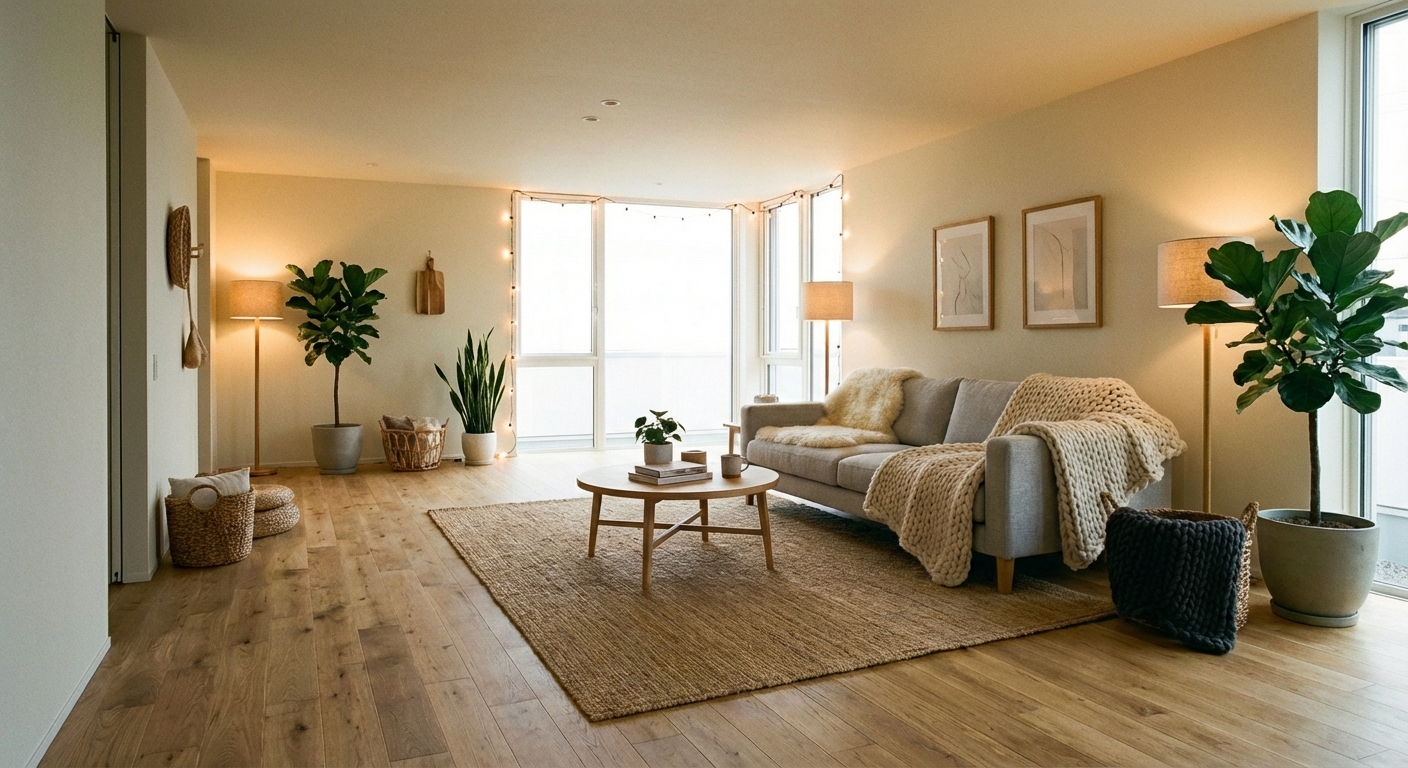
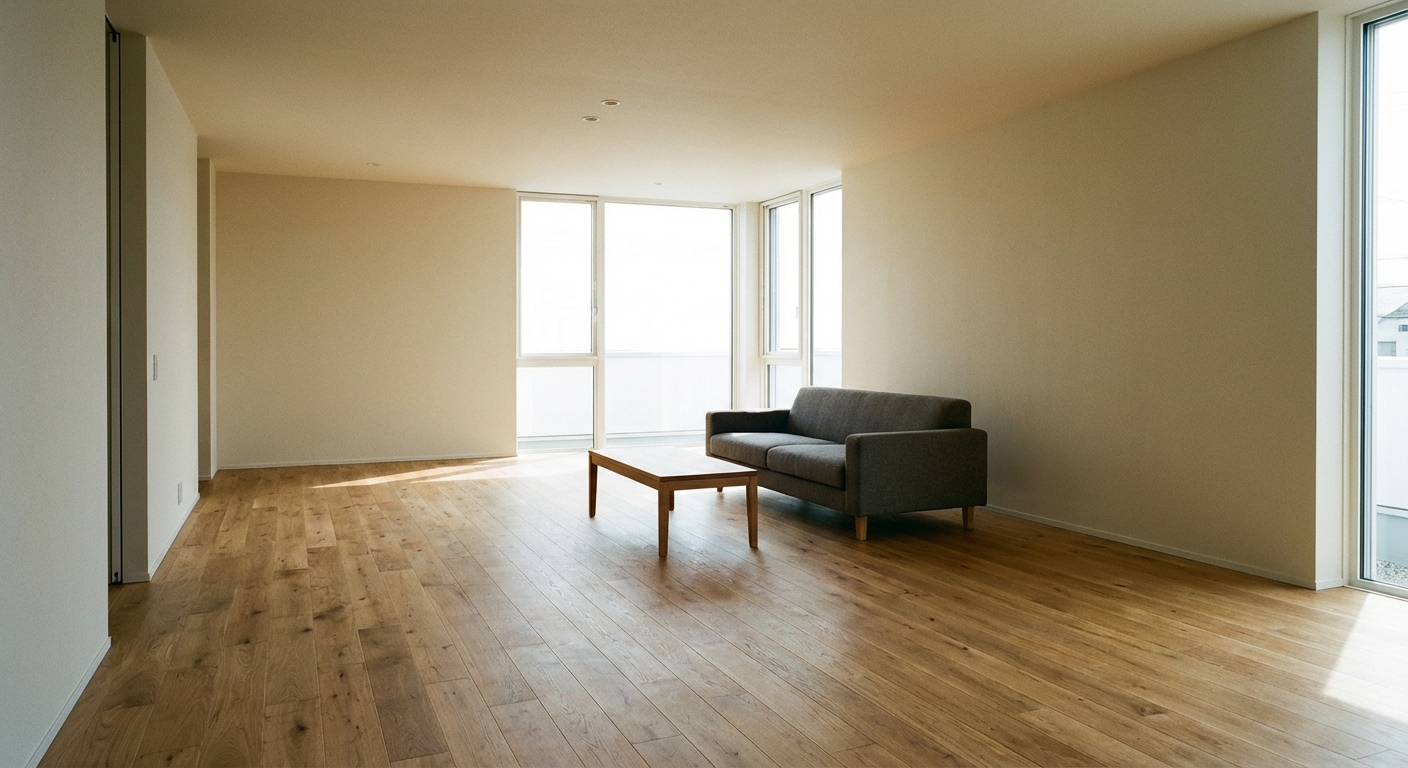
Upload your room photo in the app to see your real transformation
Color Palette
Click any color to copy hex code
Why It Works
Scandinavian design emerged in the 1950s from Denmark, Sweden, Norway, and Finland as a democratic approach to beautiful living — the idea that good design should be accessible to everyone, not just the wealthy. The movement was shaped by the Nordic environment: long, dark winters created a need for bright interiors that maximize light, while a cultural emphasis on equality and practicality demanded furniture that was affordable, functional, and beautiful simultaneously. The concept of hygge — the Danish art of coziness — is central to understanding why Scandinavian spaces feel so inviting. Every design choice serves a dual purpose: white walls reflect scarce winter light while creating a sense of space, natural wood warms a room visually and physically, and layered textiles transform functional furniture into cozy retreats. The style endures because it solves a universal problem: how to create a home that is both beautiful and genuinely comfortable to live in.
Best for
- small or dim rooms that need light and calm
- anyone planning a real living room where conversation distance, TV glare, and traffic past the sofa matter more than Pinterest perfection
- projects already thinking about paint, oak, linen and needing a coherent layout
Skip if
- you will not address conversation distance and only want a filter look
- you need the room finished tomorrow with zero test fits
Common mistakes
People pin Scandinavian living room ideas and then all-white sterility with no wood or textile warmth. Details like paint, oak, linen only work if the plan respects conversation distance, TV glare, and traffic past the sofa. Another miss: pushing every seat against the walls and calling the empty middle “open”.
Decide this first
fix the primary seating pair and one clear path before decorative chairs. Lock light wood, soft textiles, daylight bounce as a short list, then use Intero on a real photo so scale and light are honest before you spend.
How to Achieve This Look
- 1
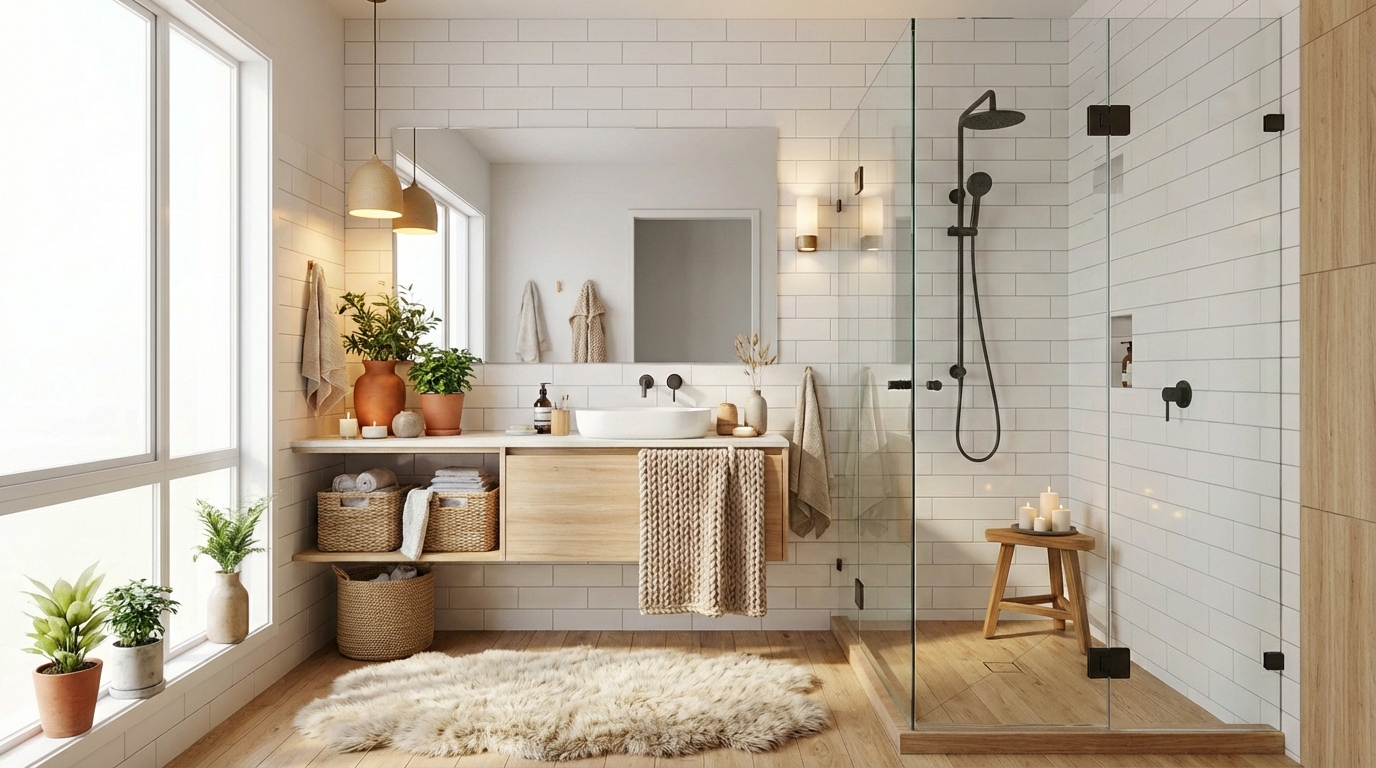
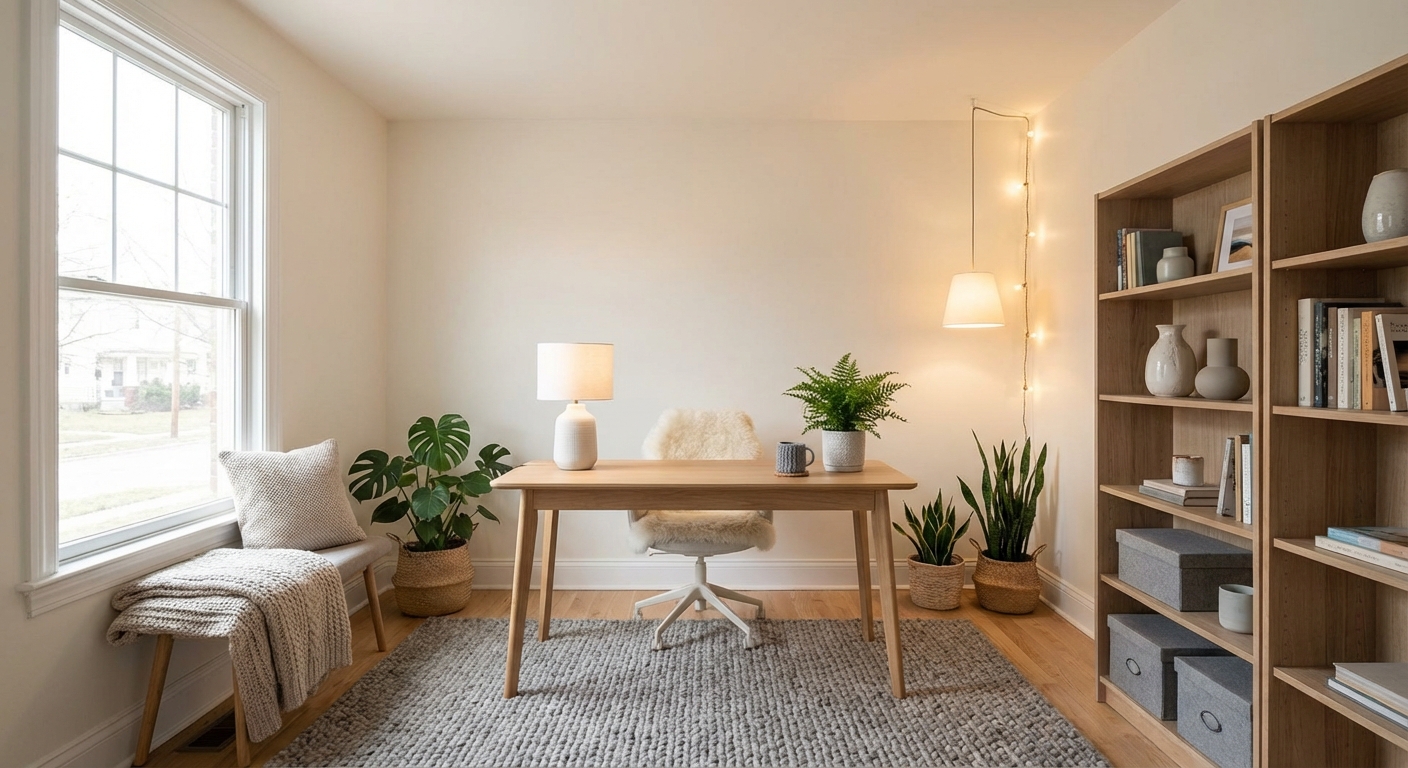
Paint all walls a clean, bright white to maximize light
- 2
Choose furniture in light birch, ash, or pine with rounded edges
- 3
Layer soft textiles — sheepskins, chunky knits, linen cushions
- 4
Add greenery with simple ceramic pots on windowsills
- 5
Keep storage concealed behind clean cabinet fronts
- 6
Use pendant lights with organic shapes over dining and seating areas
Layout & materials
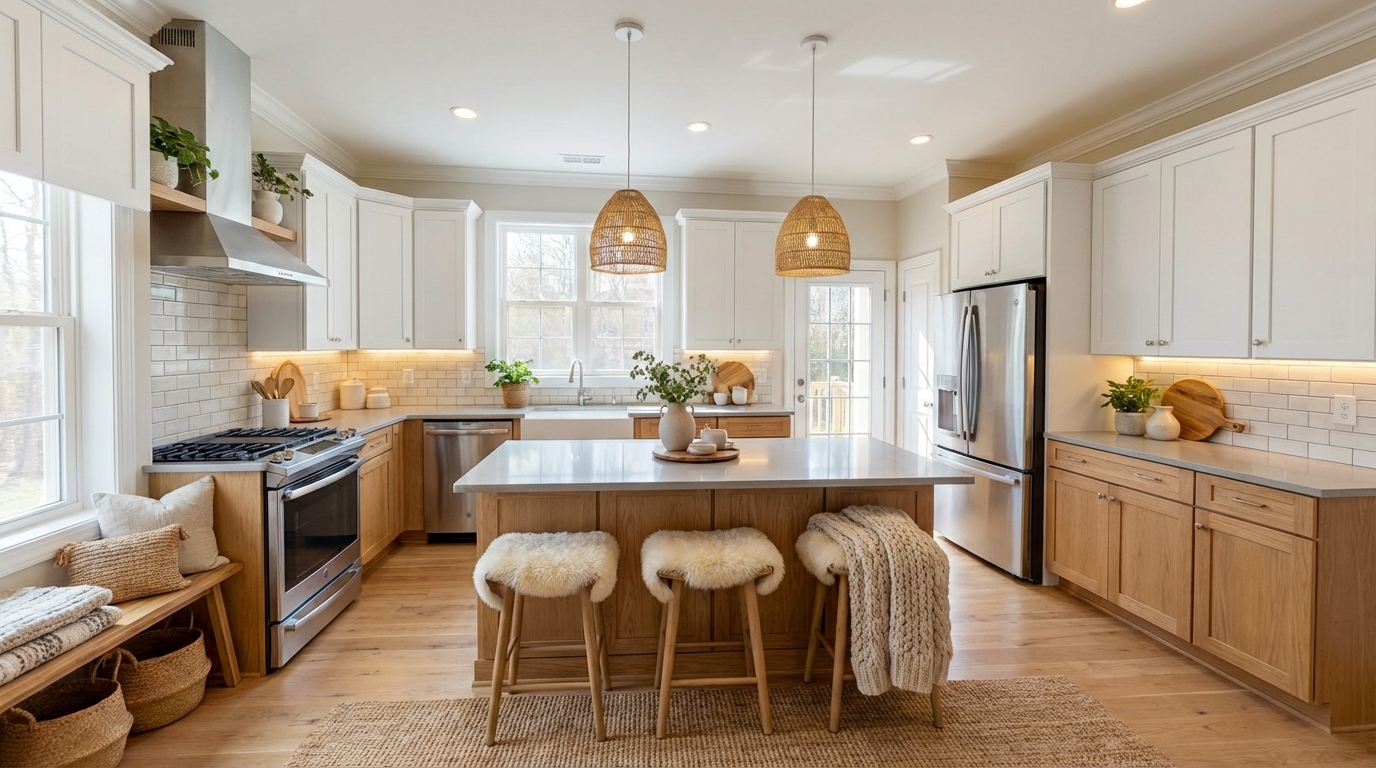
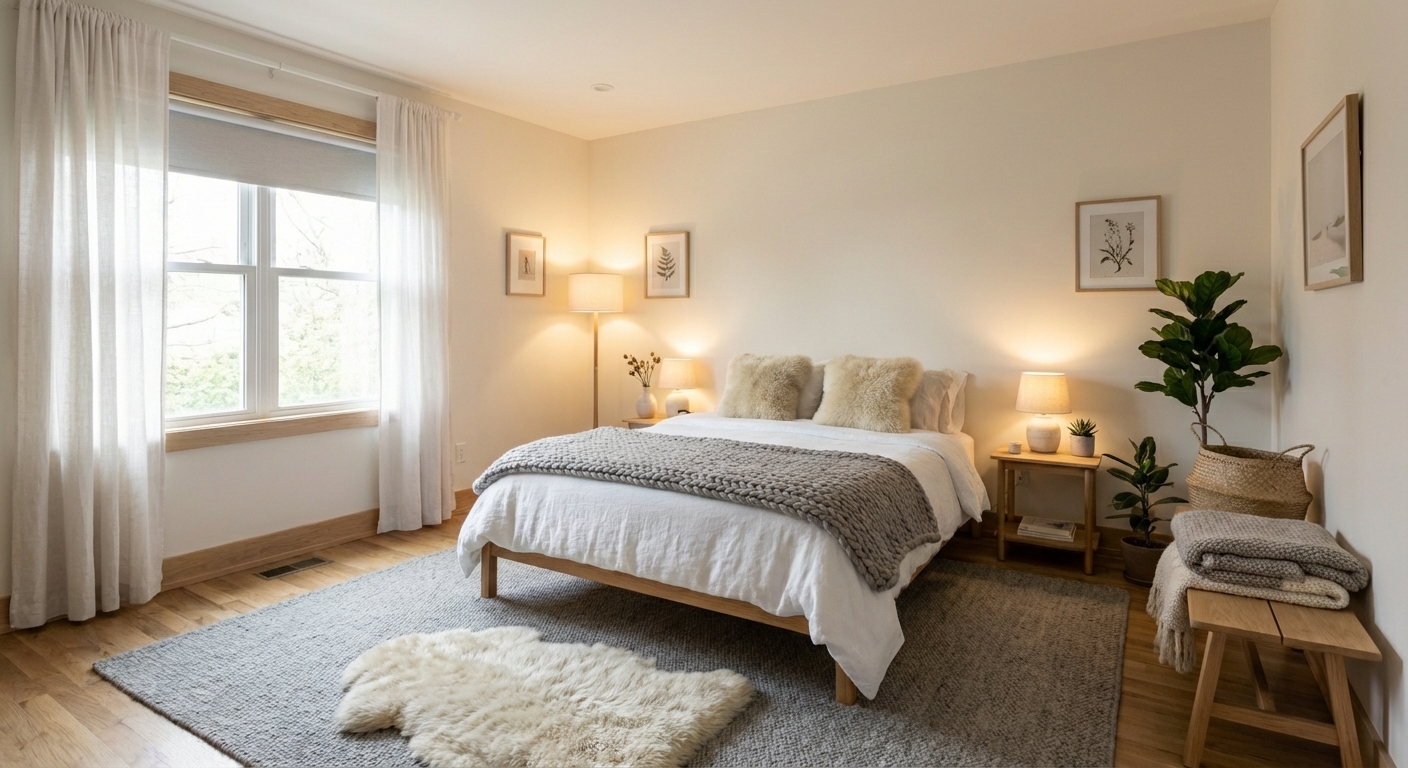
The foundation is light: paint walls bright white or very pale gray to maximize natural light reflection. Floors should be light-toned wood — birch, ash, or whitewashed oak. For furniture, seek pieces that combine form and function with honest craftsmanship: think Hans Wegner chairs, Alvar Aalto stools, or modern equivalents from HAY and Muuto. Shapes are organic and rounded rather than strictly geometric. The color palette starts with white and light wood, then layers in soft pastels — dusty pink, sage green, powder blue — and warm accents through natural textiles. Coziness comes from layering: sheepskin throws over dining chairs, knit blankets on sofas, linen curtains, and candles everywhere. Plants are essential — they bring life to neutral palettes. Lighting is critical in Scandinavian spaces: use multiple warm sources at different heights rather than a single overhead fixture. Storage should be built-in or concealed to maintain the clean, uncluttered surface that defines the style.
Invest in one statement Danish design piece — an Arco lamp or Wegner chair — and build the rest of the room around it.
Intero AI lets you see how the bright, airy Scandinavian aesthetic would transform your existing rooms. Upload a photo and experiment with light wood floors, white walls, and layered textiles to find the balance between minimal and cozy that works for your climate and lifestyle.
How They Compare
Try both styles with Intero AI — upload a photo and compare side by side
Frequently Asked Questions
Q1 Is Scandinavian design the same as minimalism?
No. While both value simplicity, Scandinavian design is warmer and more layered than minimalism. A Scandinavian room will have candles, plants, throws, and decorative objects — it embraces comfort and personality. Minimalism strips these away. Scandinavian design is "just enough," not "as little as possible."
Q2 What wood tones work best for Scandinavian design?
Light, warm woods are essential: birch, pine, ash, and light oak. Whitewashed or natural-finish floors are ideal. Darker woods like walnut can work as accents but should not dominate. The goal is to keep the overall palette bright and warm.
Q3 How do I add color to a Scandinavian room without breaking the style?
Introduce color through soft, muted tones: dusty pink, sage green, powder blue, or warm terracotta. Use these in textiles — cushions, throws, rugs — rather than on walls. Keep the color palette to two or three accent shades that complement each other.
Q4 Can Scandinavian design work in warm climates?
Absolutely. The bright whites, natural materials, and airy feel translate well to warm climates. Swap heavy knit throws for lighter linen textiles and lean into the breezy, light-filled aspect of the style rather than the cozy-winter elements.
Related searches
These are the next pages people usually open while narrowing this design direction.
Ready to See This Style in Your Room?
Download Intero and preview this design on your own room photo.
No credit card. No signup. Just results.
Scan to download
Point your phone camera at a code

