Scandinavian vs Coastal — Fireside Hygge or Seaside Breeze?
Both styles celebrate light, simplicity, and natural materials — but one draws from Nordic winters and the other from endless summers. The mood difference is everything.
What is Scandinavian vs Coastal: Northern Light vs Ocean Breeze?
Both styles celebrate light, simplicity, and natural materials — but one draws from Nordic winters and the other from endless summers. The mood difference is everything.
2/4
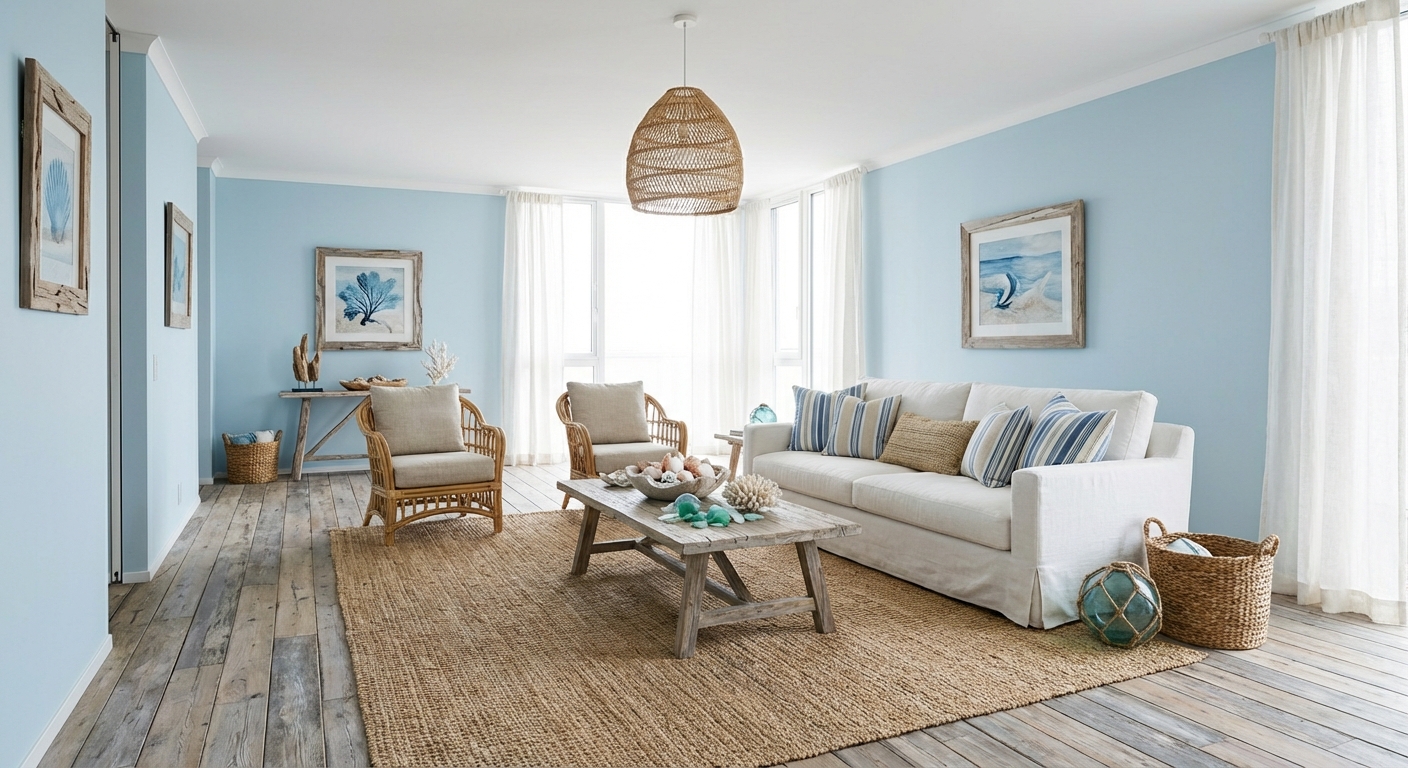
See the Transformation
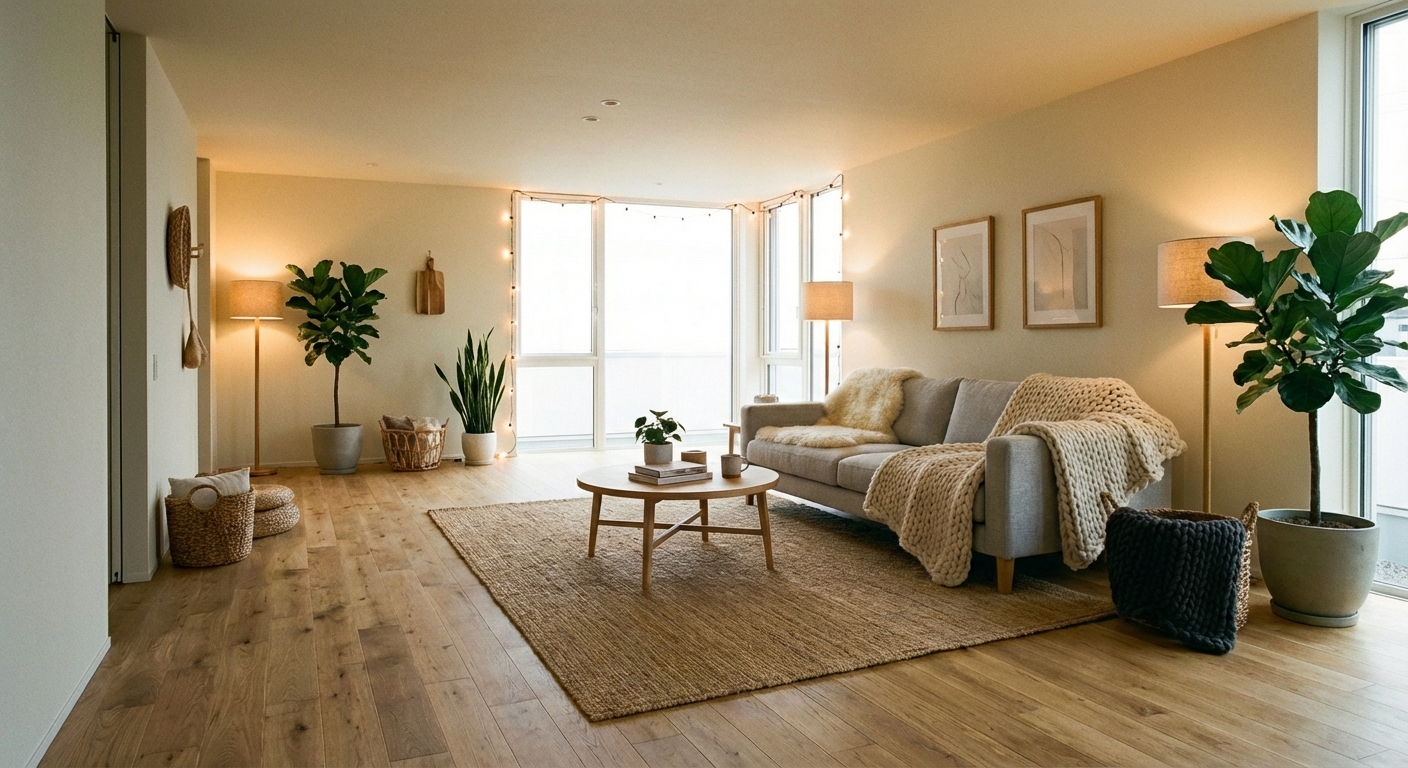
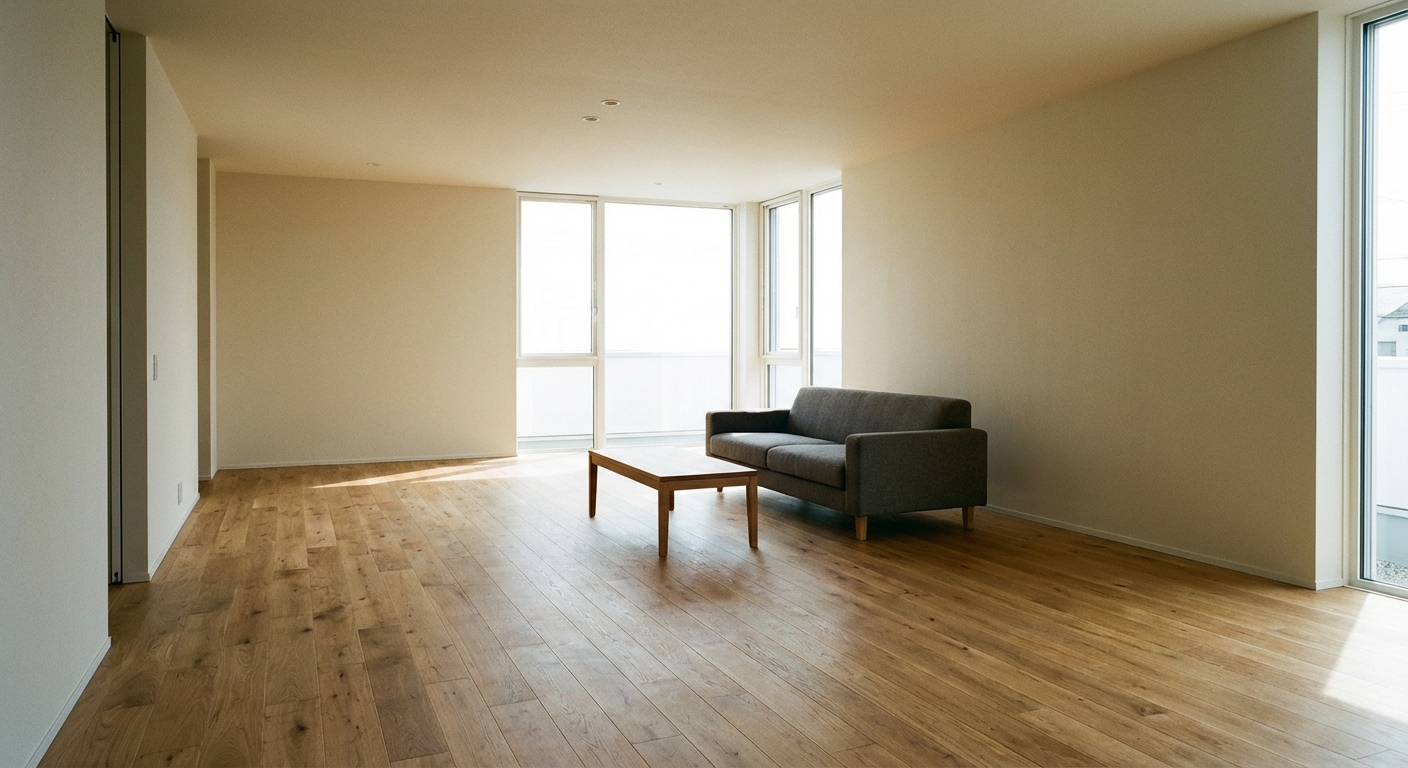
Upload your room photo in the app to see your real transformation
Color Palette
Click any color to copy hex code
Why It Works
Scandinavian and coastal design share a love of white, natural materials, and light-filled spaces — which is why they are often confused. But they diverge in emotional tone and material palette. Scandinavian design is cozy, inward-facing, and warm despite its light palette — think candles, sheepskin, and hot drinks by a fire. It evolved to make long dark winters feel bearable. Coastal design is breezy, outward-facing, and casual — think open windows, linen curtains, and bare feet. It evolved to bring the beach indoors. Scandinavian wraps you in warmth; coastal opens you to air.
Best for
- small or dim rooms that need light and calm
- anyone planning a real living room where conversation distance, TV glare, and traffic past the sofa matter more than Pinterest perfection
- projects already thinking about linen, curtains and needing a coherent layout
Skip if
- you will not address conversation distance and only want a filter look
- you need the room finished tomorrow with zero test fits
Common mistakes
In a living room, “Scandinavian” fails when you all-white sterility with no wood or textile warmth. Details like linen, curtains only work if the plan respects conversation distance, TV glare, and traffic past the sofa. Another miss: pushing every seat against the walls and calling the empty middle “open”.
Decide this first
fix the primary seating pair and one clear path before decorative chairs. Lock light wood, soft textiles, daylight bounce as a short list, then use Intero on a real photo so scale and light are honest before you spend.
How to Achieve This Look
- 1
Decide if you prefer the warmth of Scandinavia or the breeze of the coast
- 2
Scandinavian: use birch, sheepskins, and chunky knit throws
- 3
Coastal: use driftwood, jute, and linen in blue-white tones
- 4
Scandinavian: keep the palette warm — white, cream, and light wood
- 5
Coastal: introduce blues, aquas, and sandy tans
- 6
Both: maximize natural light, keep spaces open, and favor simplicity
Layout & materials
For Scandinavian: use bright white walls with warm wood accents (birch, pine). Layer cozy textiles — sheepskin, knit throws, wool rugs. Add candles everywhere. Include functional, clean-lined furniture with rounded edges. The mood is warm and enclosed. For coastal: use white walls with blue accents. Add rattan, driftwood, and linen. Keep things airy and uncluttered. Include light, casual furniture that feels like it could be outdoors. The mood is open and breezy. The test: Scandinavian rooms make you want to curl up; coastal rooms make you want to throw open the windows.
Both styles love white walls, but Scandinavian warms them with cozy textiles while coastal cools them with ocean blues.
Both styles look light and fresh in photos but feel very different in person. Intero AI helps you preview both Scandinavian warmth and coastal breeziness in your actual room so you can choose the emotional experience that matches your lifestyle.
Frequently Asked Questions
Q1 Which style is better for a cold climate?
Scandinavian design was literally created for cold climates. Its emphasis on cozy textiles, candles, and warm wood tones is engineered to make dark, cold winters feel comfortable. Coastal can work in cold climates but may feel emotionally dissonant in winter.
Q2 Can I combine Scandinavian and coastal elements?
Yes — "Scandi coastal" uses the clean white base and natural materials of both, adding Scandinavian coziness to coastal lightness. Use white and soft blue, mix rattan with knit textiles, and balance breezy openness with warm nooks.
Q3 Which style uses more color?
Coastal uses slightly more color through blues, aquas, and sandy tones. Scandinavian tends toward a more monochromatic palette with limited color — mostly warm neutrals, soft pinks, and sage greens as accents.
Related searches
These are the next pages people usually open while narrowing this design direction.
Design Guides You'll Love
Ready to See This Style in Your Room?
Download Intero and preview this design on your own room photo.
No credit card. No signup. Just results.
Scan to download
Point your phone camera at a code

