Sloped Walls? Design With the Angle, Not Against It
Angled ceilings and dormer walls are the defining feature of attic rooms, top-floor bedrooms, and A-frame homes. The slope is not a limitation — it is built-in character.
What is Sloped Wall Room Design Ideas for Angled Ceilings?
Angled ceilings and dormer walls are the defining feature of attic rooms, top-floor bedrooms, and A-frame homes. The slope is not a limitation — it is built-in character.
See the Transformation
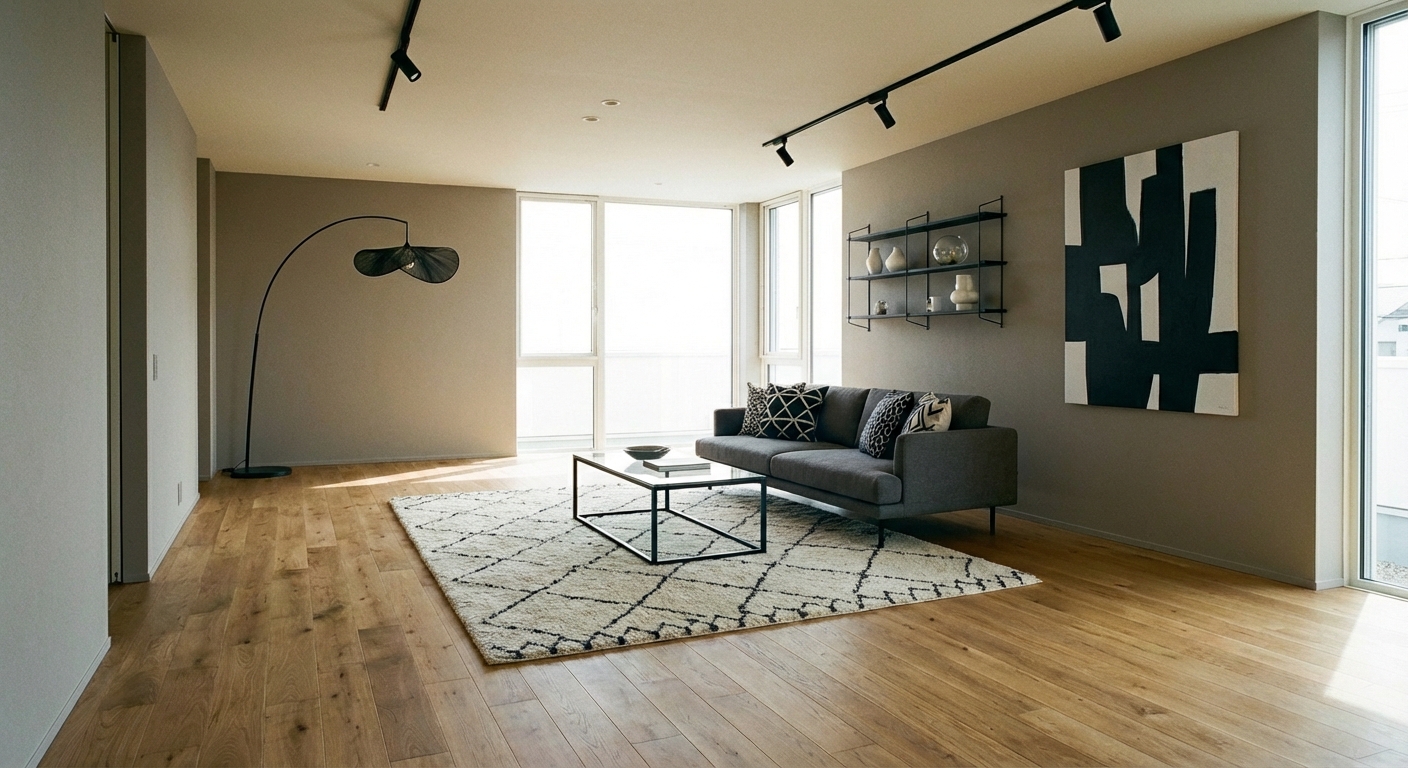
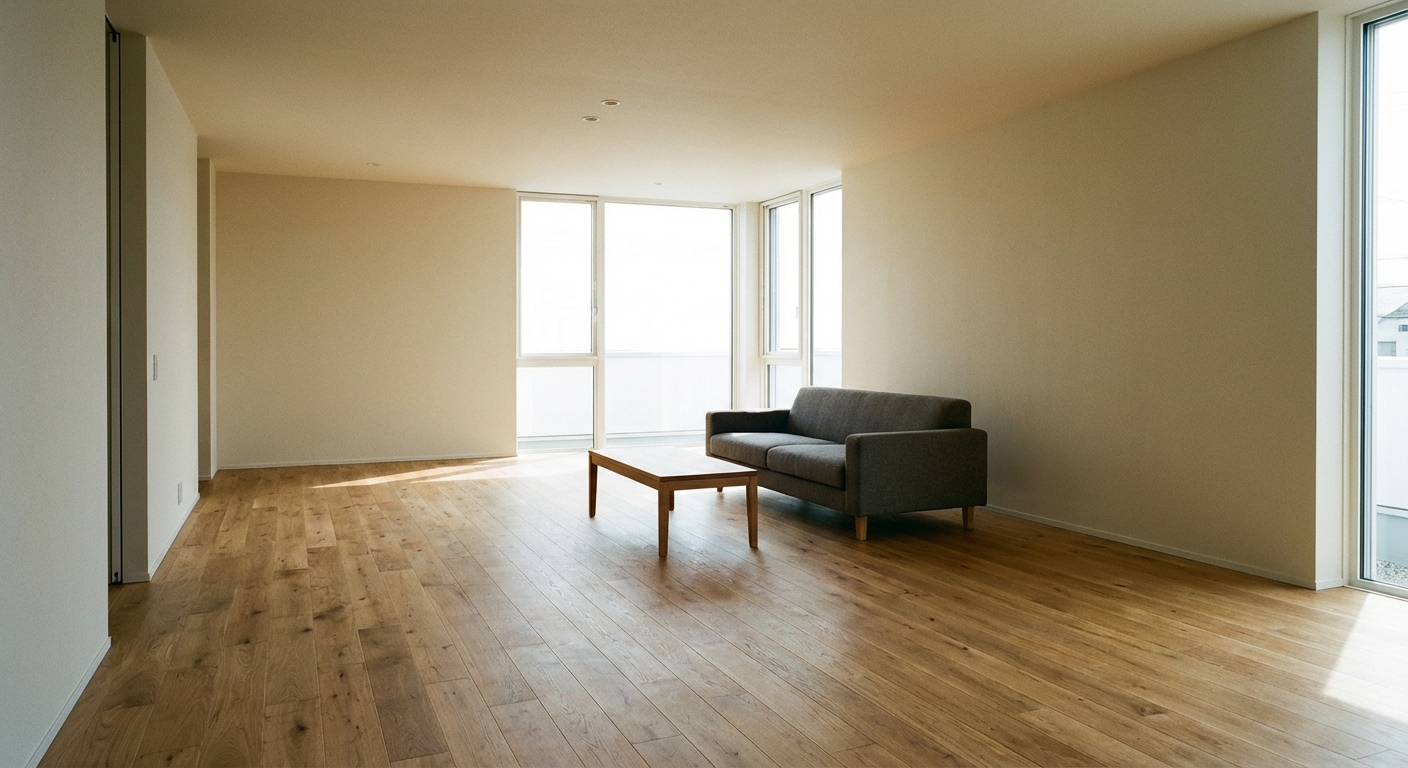
Upload your room photo in the app to see your real transformation
Why It Works
Sloped walls create the intimate, cocooning quality that flat-ceilinged rooms cannot replicate. The angle naturally creates two height zones: a low zone along the wall (ideal for sleeping, storage, and seating) and a high zone at the center (ideal for standing, dressing, and working). When you align activities to these natural zones rather than fighting the slope, the room works ergonomically. A bed tucked under the low slope, a desk at the high center, and built-in drawers in the knee wall — each element is in its optimal position precisely because of the angle.
How to Achieve This Look
Place the bed or low seating against the sloped wall — you do not need standing height where you sit or lie. Position the desk, dresser, or wardrobe at the highest point where standing is comfortable. Build custom storage into the knee walls: pull-out drawers, cabinets, and bookshelves that use the triangular space behind the wall. Paint the sloped surface the same color as the vertical walls to unify the space — a contrasting color on the slope makes it feel lower. Avoid tall furniture against the sloped wall, which creates an awkward gap between the furniture top and the angle. Use wall sconces and pendant lights rather than floor lamps, which compete for the limited floor space.
Sloped walls require visualizing furniture in three dimensions — standard floor plans do not capture the height restrictions. Intero AI lets you preview how beds, desks, and storage work with your specific angles, showing clearance heights and sightlines before you move anything.
"I redesigned my entire apartment before buying a single piece of furniture."
— Sarah M.
Frequently Asked Questions
Q1 Where should I place a bed in a room with sloped ceilings?
Under the lowest part of the slope, with the headboard against the short wall. You do not need standing height over a bed. This frees the tallest area for the closet, desk, or dressing area where standing height matters.
Q2 How do I use the dead space behind knee walls?
Built-in pull-out drawers are the best solution — they use every inch of the triangular void. Alternatively, install a continuous low shelf along the knee wall for books and display items. Access doors (small cabinet fronts) create hidden storage for seasonal items.
Q3 Should I paint sloped ceilings differently from walls?
Same color for a unified, spacious feel. A contrasting color on the slope makes the angle more prominent and the room feel smaller. If you want subtle definition, use the same color in a different sheen — matte on walls, eggshell on the slope.
Related searches
These are the next pages people usually open while narrowing this design direction.
You Might Also Like
Ready to Transform Your Room?
Download Intero and see this design in your space in seconds.
No credit card. No signup. Just results.