Design a Suburban Home That Looks as Good as It Functions for Family Life
Somewhere between Pinterest perfection and real-life chaos — suburban home design is the art of creating beautiful spaces that handle daily use.
What is Suburban Home Design Ideas?
Somewhere between Pinterest perfection and real-life chaos — suburban home design is the art of creating beautiful spaces that handle daily use.
See the Transformation
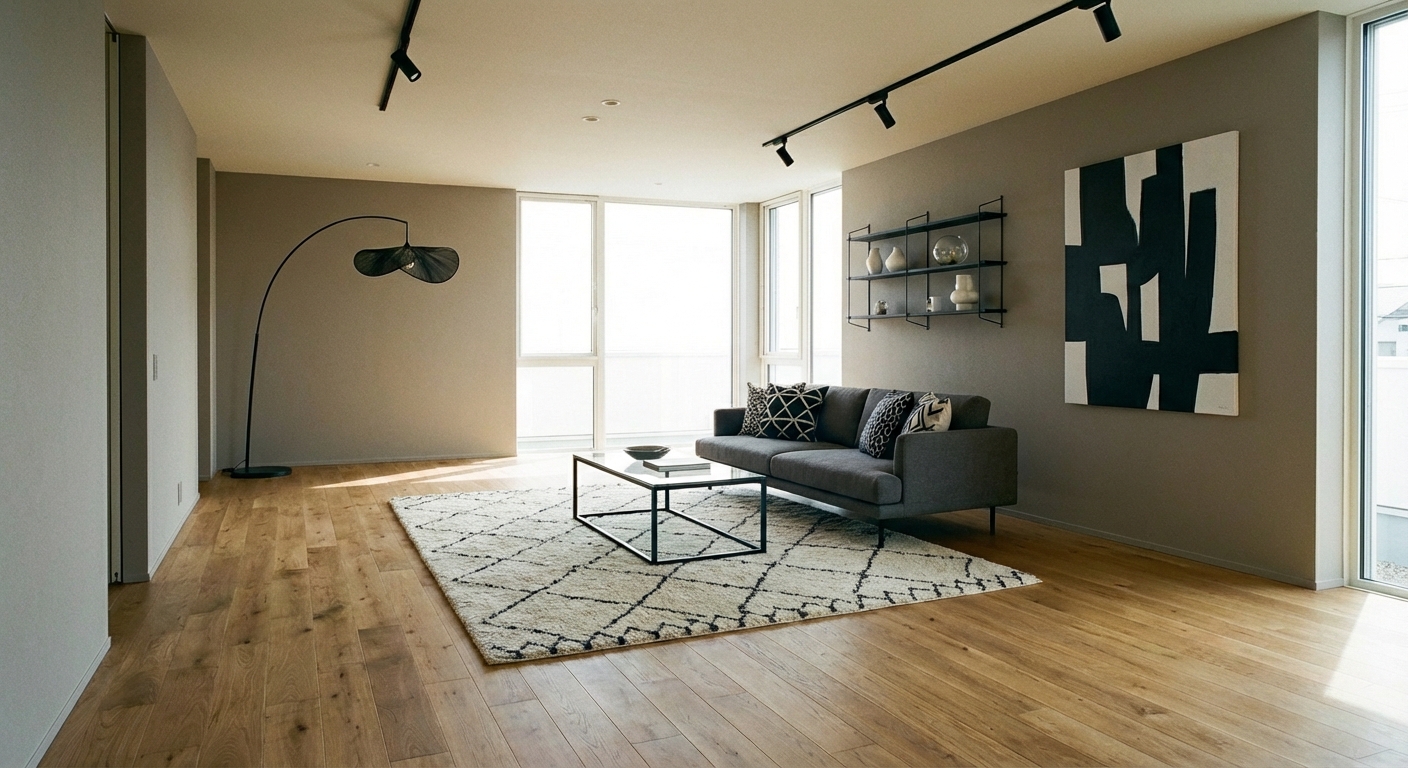
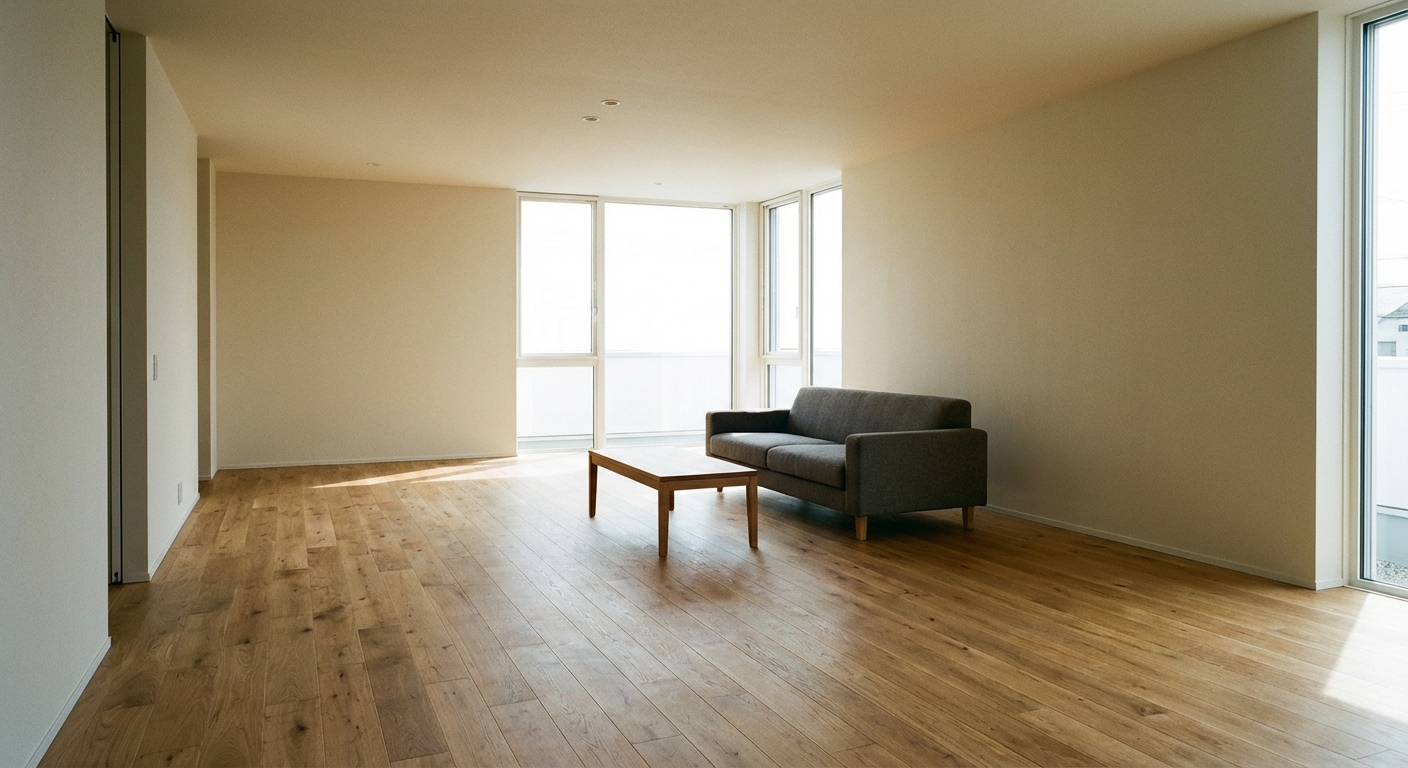
Upload your room photo in the app to see your real transformation
Why It Works
Suburban home design works when it acknowledges the dual reality of family life — you want a home that looks polished in photos and survives kids, pets, and daily wear. The suburban advantage is space: separate rooms for different functions, a garage for storage, a yard that extends living outdoors. The challenge is cohesion — with more rooms to design, the overall aesthetic can fragment. The best suburban interiors establish a consistent material and color vocabulary that flows from room to room while allowing each space its own character.
Best for
- people ready to test options on a real photo before buying
- anyone planning a real living room where conversation distance, TV glare, and traffic past the sofa matter more than Pinterest perfection
- projects already thinking about sofa, island and needing a coherent layout
Skip if
- you will not address conversation distance and only want a filter look
- you refuse to remove anything and only add decor
Common mistakes
People pin suburban living room ideas and then shopping object-by-object with no envelope decision. Details like sofa, island only work if the plan respects conversation distance, TV glare, and traffic past the sofa. Another miss: pushing every seat against the walls and calling the empty middle “open”.
Decide this first
fix the primary seating pair and one clear path before decorative chairs. Lock a coherent material story instead of random catalog picks as a short list, then use Intero on a real photo so scale and light are honest before you spend.
How to Achieve This Look
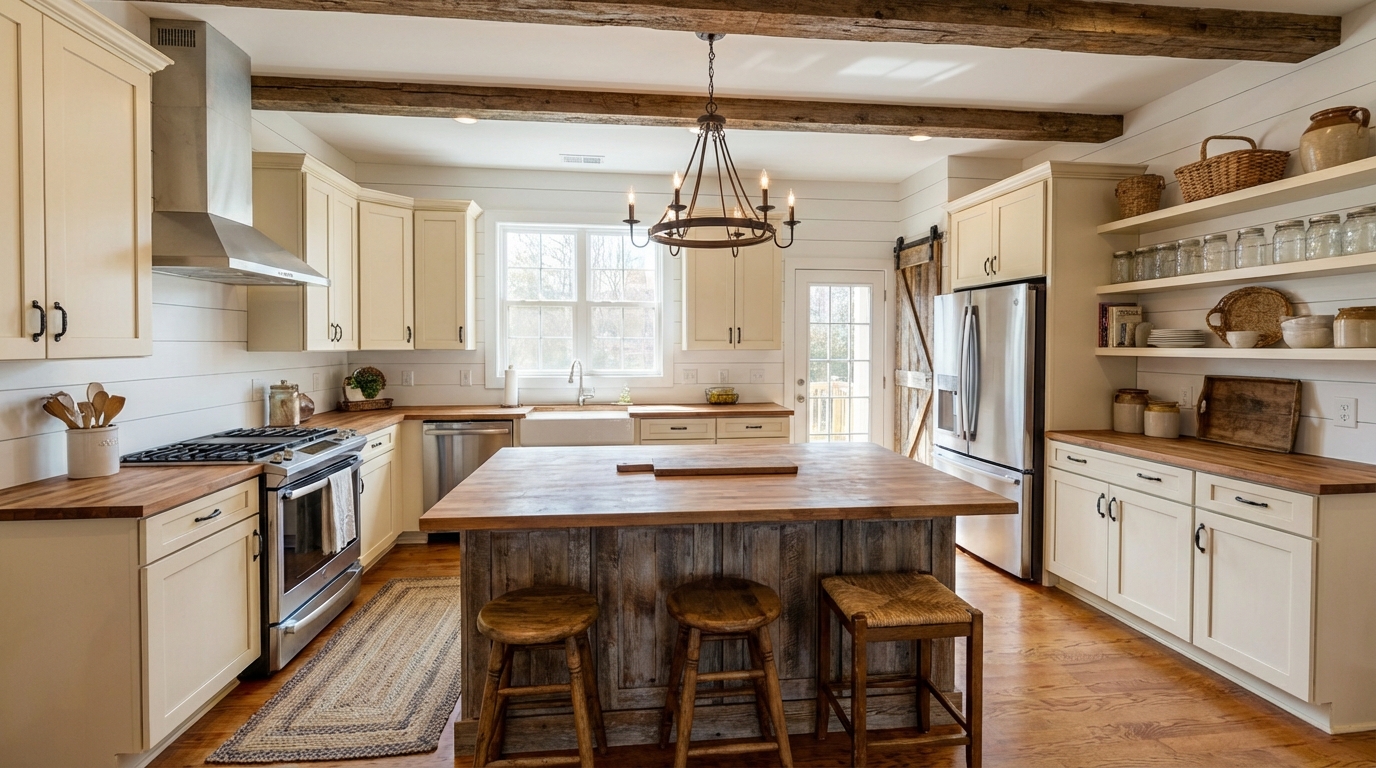
Choose a style direction and a core palette that carries through the entire home — this is the thread that creates cohesion. In the living room, invest in a durable, high-quality sofa in a neutral color (you will have it for years). Performance fabrics are non-negotiable with kids and pets. In the kitchen, the island is the hub — make it generous and include seating. Open shelving in the kitchen shows personality but requires curation. Use the entryway or mudroom as a decompression zone: hooks, cubbies, a bench, and a place for shoes so the rest of the house stays organized.
Suburban homes often need a coordinated approach across many rooms. Upload photos from multiple rooms to Intero and ensure your chosen style translates consistently from the living room to the kitchen to the bedrooms. Test whether your favorite modern farmhouse kitchen palette works just as well in the adjoining dining room.
Frequently Asked Questions
Q1 How do you update a suburban home without a full renovation?
Focus on the elements that define a room: paint, light fixtures, hardware, and textiles. Replacing dated brass door handles with matte black, swapping a boob light for a modern pendant, and adding new throw pillows can transform a room for under $500. Kitchen cabinet painting ($2,000-$5,000 professionally) delivers one of the highest-impact changes without tearing anything out.
Q2 What interior style works best for suburban homes?
Transitional style — the blend of traditional warmth and modern simplicity — is the most popular because it suits the architecture of most suburban homes. Modern farmhouse, coastal (for appropriate regions), and Scandinavian also translate well. The style should complement the home architecture: a colonial home fights against industrial design, but welcomes traditional or transitional.
Q3 How do you create a cohesive look across multiple rooms?
Establish a consistent color palette (3-4 colors), use the same metal finish (e.g., matte black) for hardware and fixtures throughout, maintain one flooring type on each level, and repeat at least one material (like a wood tone) in every room. The rooms can vary in mood and purpose while the shared elements create a visual thread.
Related searches
These are the next pages people usually open while narrowing this design direction.
Ready to See This Style in Your Room?
Download Intero and preview this design on your own room photo.
No credit card. No signup. Just results.
Scan to download
Point your phone camera at a code

