Basement Design Ideas Beyond the Beige Carpet
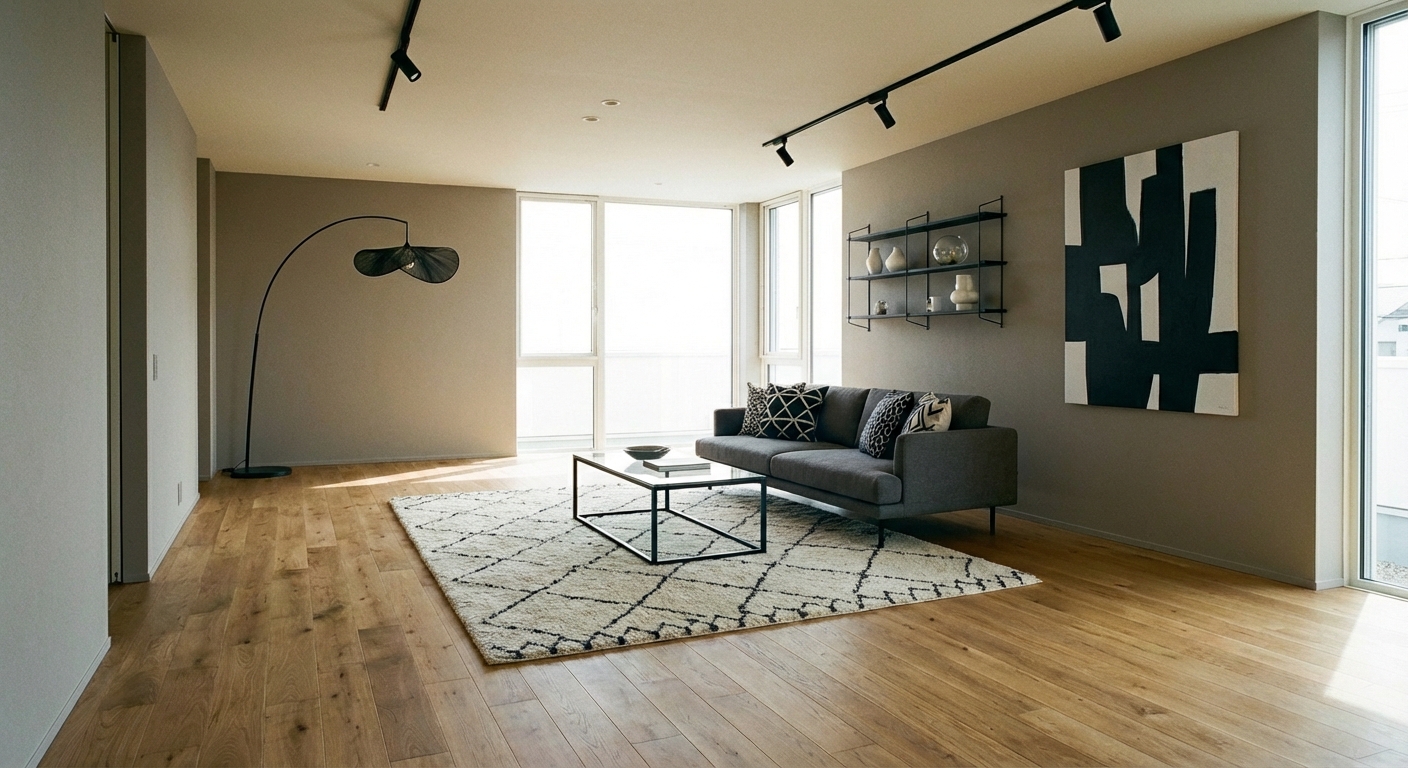
Basements fight two things: low ceilings (often 7.5 to 8 feet) and low natural light. A well-designed basement takes both on with layered lighting, reflective surfaces, and a layout that reads like an extension of the house rather than a storage afterthought. Most finished basements run 400 to 1,200 square feet, which is more than enough for two or three defined zones — media, workout, guest suite, home office, or playroom. The ceiling is the single biggest visual cue: painting it a shade lighter than the walls (or keeping it white-white) adds perceived height; a dark ceiling crushes the room. Lighting has to do the work the windows cannot — plan for at least three sources per zone (recessed or track overhead, a lamp or sconce for task or ambient, and one accent for depth). Flooring that handles humidity matters: luxury vinyl plank, engineered tile over subfloor panels, or sealed concrete with rugs on top outlast solid hardwood. Palette-wise, warmer neutrals (Benjamin Moore Pale Oak, Farrow & Ball Skimming Stone) counteract the cool underground quality; cool-grey paint usually makes basements read colder and more cave-like.
Layer three types of light (ambient, task, accent), pick a lighter palette on the ceiling than the walls, and zone the square footage so one corner is not trying to be every room at once.
Key elements of a well-designed basement
- Layered lighting
- Lighter ceiling color
- Reflective surfaces
- Zoned layout
- Acoustically softer surfaces
- Moisture-safe flooring
Most common basement mistakes
- Single overhead fixture per room
- Dark ceiling making the room feel shorter
- One oversized multipurpose zone, no definition
- Flooring that cannot handle humidity
More basement ideas
Preview your own basement with AI
Upload a photo of your basement, pick a style, and compare directions before buying furniture or committing to paint. Every hub on this page is a shortcut into testing the idea on your actual space.
Quick answers about basement design
Pair this hub with related style directions, visual tools, and room guides.
Frequently Asked Questions
Q1 How do I make a basement feel less like a basement?
Better lighting (three sources per zone), a lighter ceiling than the walls, and at least one intentional focal point per zone. Warmer wall tones (Benjamin Moore Pale Oak, Farrow & Ball Skimming Stone) read more inviting than cool greys, which exaggerate the cave feeling.
Q2 Best flooring for a basement?
Luxury vinyl plank rated for below-grade, engineered tile over DRIcore subfloor panels, or sealed concrete with rugs on top. Solid hardwood usually does not handle the humidity well long term. Avoid laminate unless the basement is verified dry year-round.
Q3 How should I zone a large basement?
Pick two or three uses max (media plus guest, or workout plus playroom plus office) and define them with rugs, lighting changes, and furniture backs rather than full walls. Partial height divider walls at 48 inches preserve sightlines and overhead light while still defining zones.
Q4 What ceiling height is too low to finish a basement?
Below 7 feet of finished clear height is tough — most building codes require 7 feet minimum for habitable space. 7.5 feet works with careful fixture selection (slim flush mounts, no-drop ductwork). 8 feet or more feels normal.
Q5 Can AI help plan a basement?
Yes — especially for lighting and color previews, which change how the room reads more than almost anything else.
Preview basement ideas on your real space
Upload a photo in the free visualizer and preview the look before you buy paint, furniture, or a renovation.