Scandinavian Interior Design: Calm, Bright, and Lived-In
Scandinavian design earns its popularity honestly. Pale woods, white walls, and soft textiles solve a very specific problem — long, dark winters — with practicality and warmth. The look travels well because the principles travel well: maximize light, layer soft materials, and choose furniture that earns its place through function as much as form. The style emerged from the Nordic design movement of the 1950s (Alvar Aalto, Arne Jacobsen, Hans Wegner) and still reads contemporary because the proportions and materials were sound from the start. Walls are almost always white or very soft grey — Farrow & Ball Wimborne White, Jotun Lady Lys Elfenben, Benjamin Moore Simply White — to bounce every available photon back into the room. Floors are typically pale oak or ash, often whitewashed or soap-finished. Textiles do the warmth work: natural linen, wool throws, and sheepskin on chair backs. One accent color (muted dusty blue, soft sage, dusty pink) keeps the room from reading clinical. Hygge-driven warmth comes from candles, layered lamps at table height, and real wood furniture at close touch.
Key elements of scandinavian style
- Pale oak or ash wood
- White or soft grey walls
- Layered textiles
- Functional furniture
- One accent color
- Generous natural light
Signature palette
Scandinavian rooms usually pull from a tight palette. Start with these and introduce bolder accents only once the base works in your lighting.
Popular rooms for this style:
Scandinavian ideas by room
Narrow a style direction to the room you are actually redesigning.
Living Room · scandinavian
All living room ideas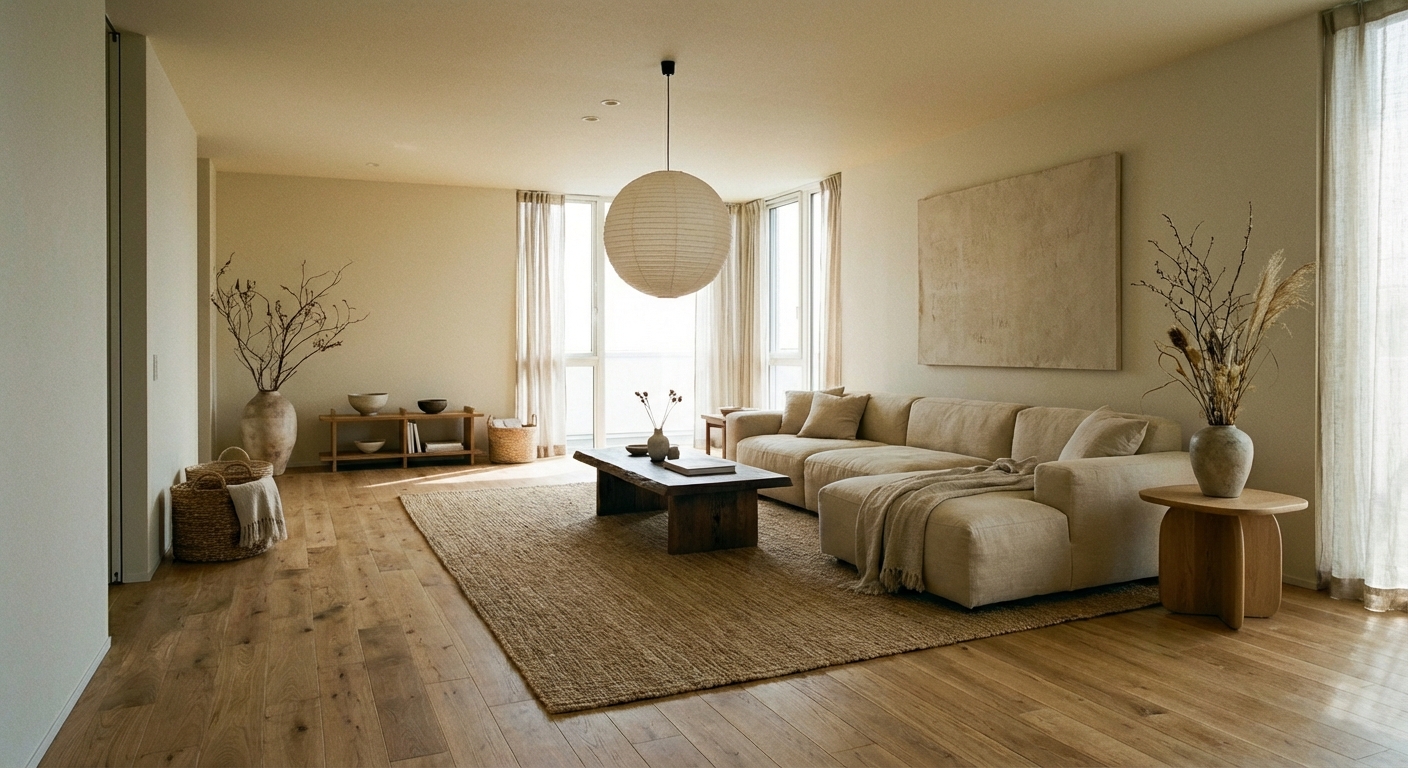
Bedroom · scandinavian
All bedroom ideas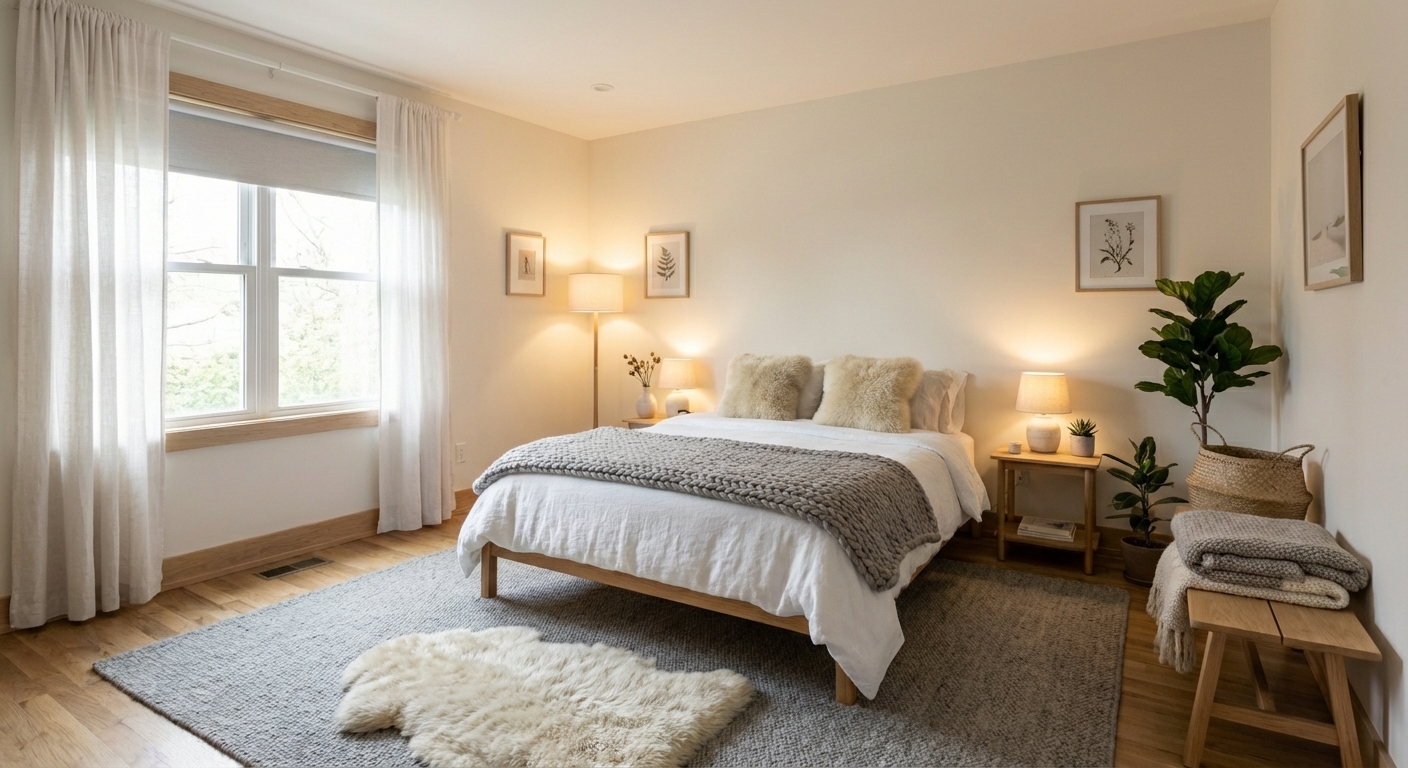
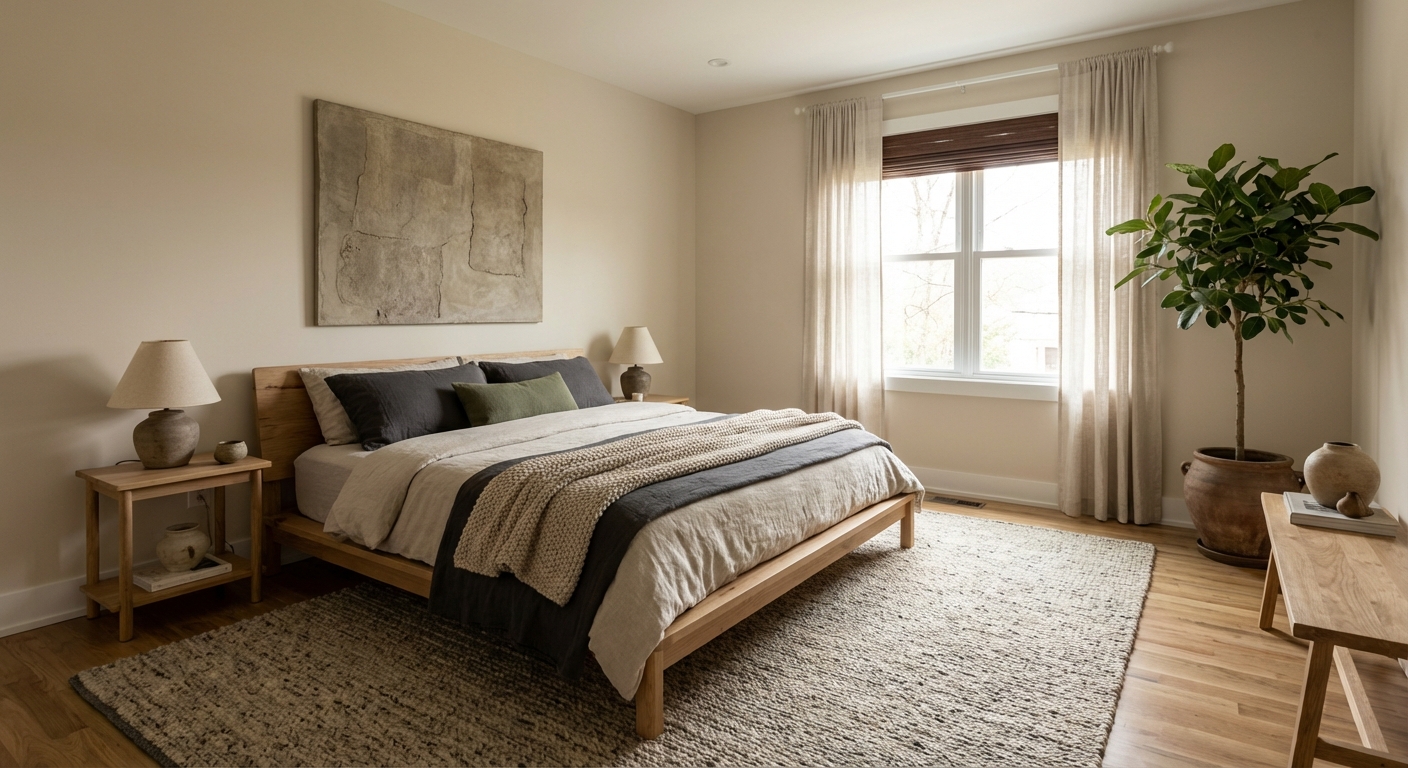
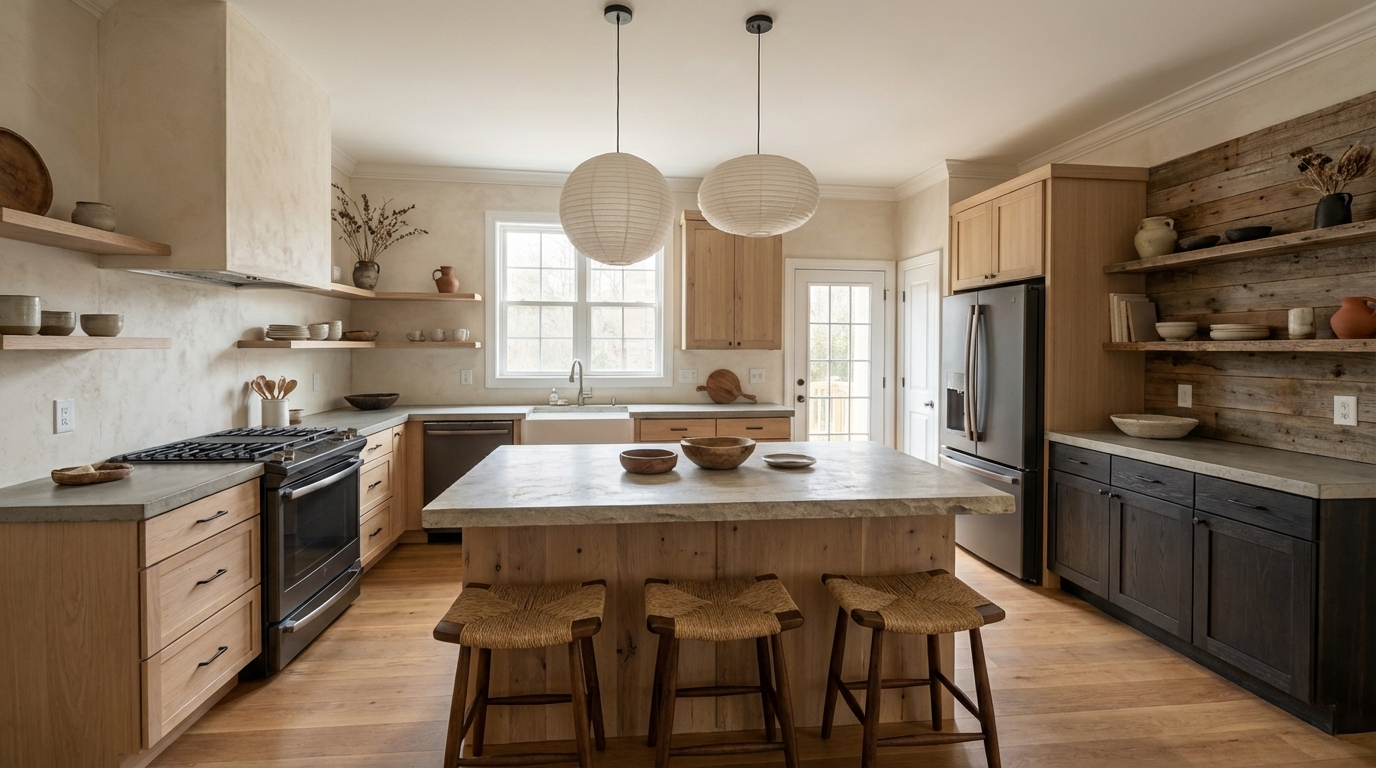
Kitchen · scandinavian
All kitchen ideas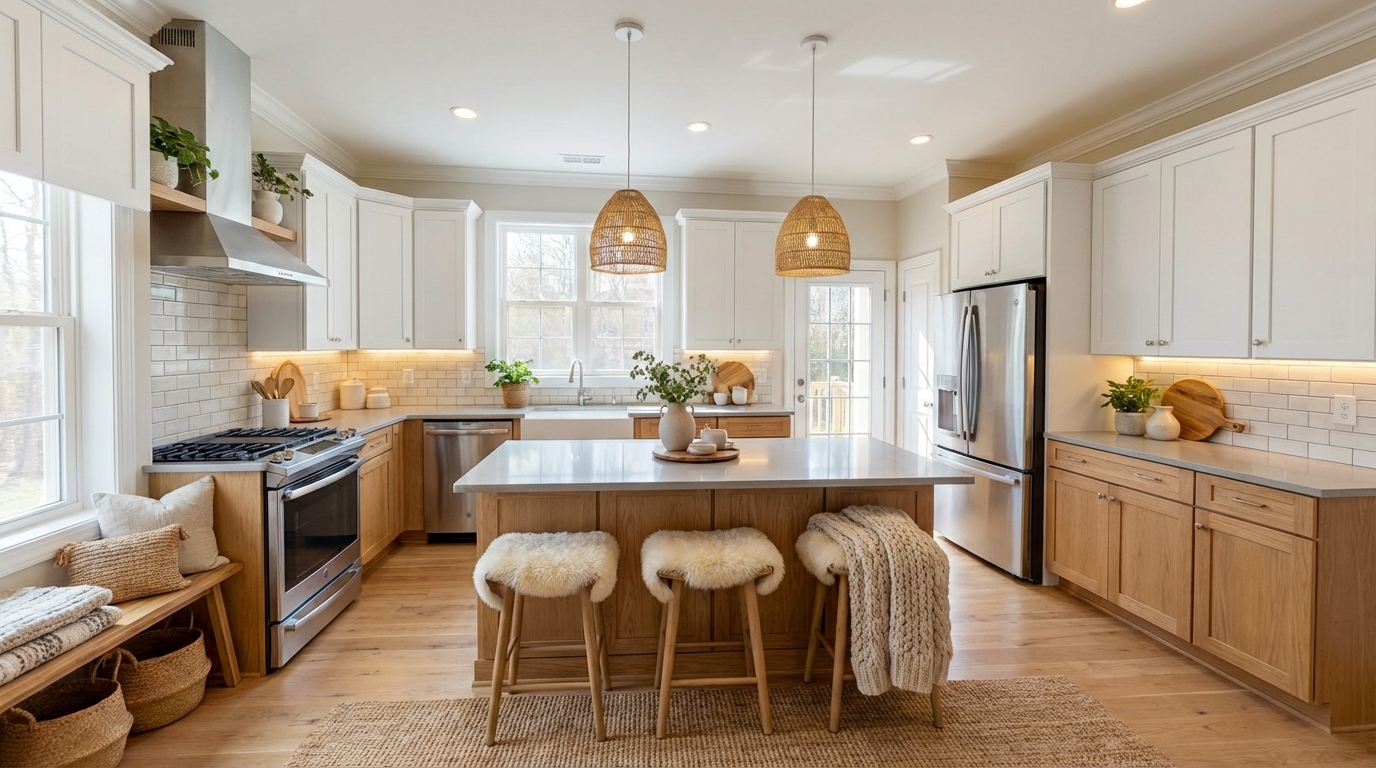
Dining Room · scandinavian
All dining room ideas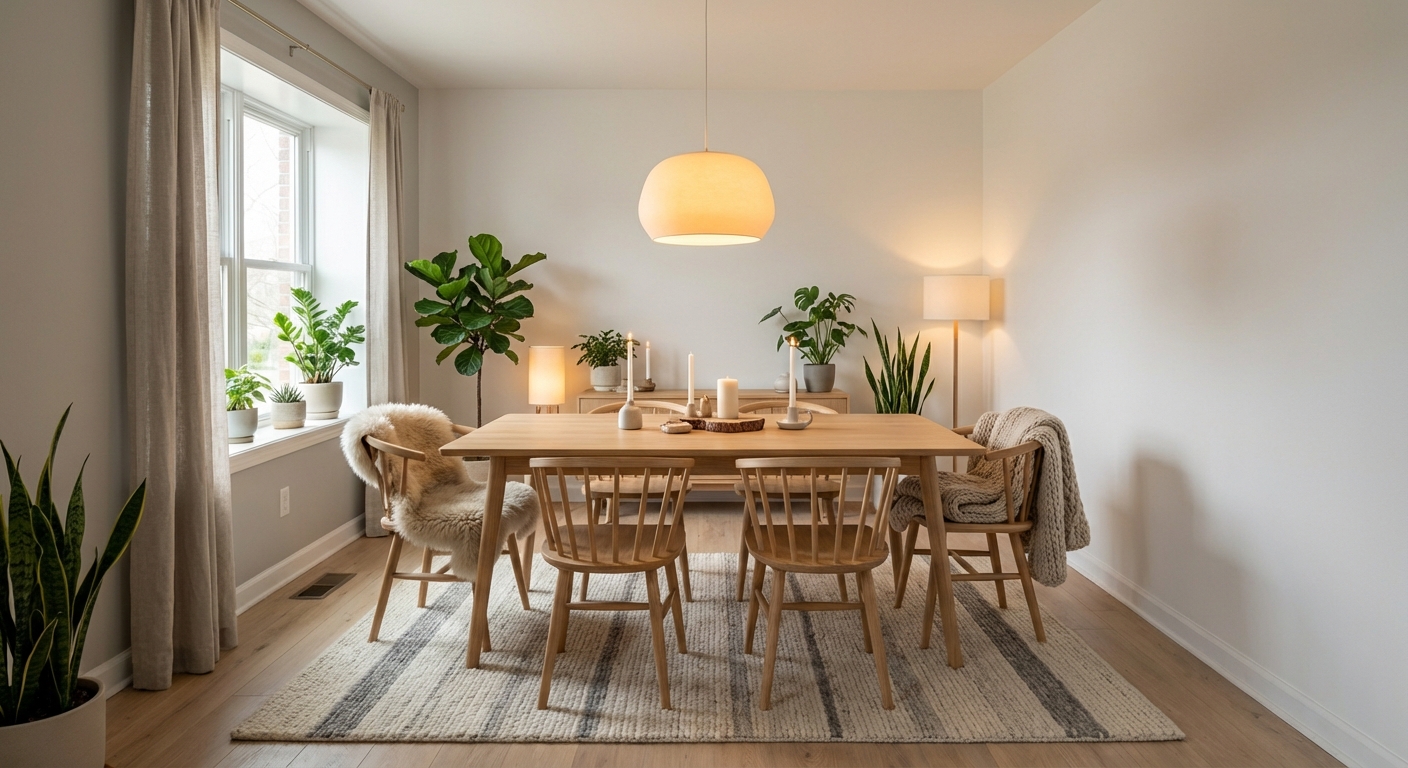
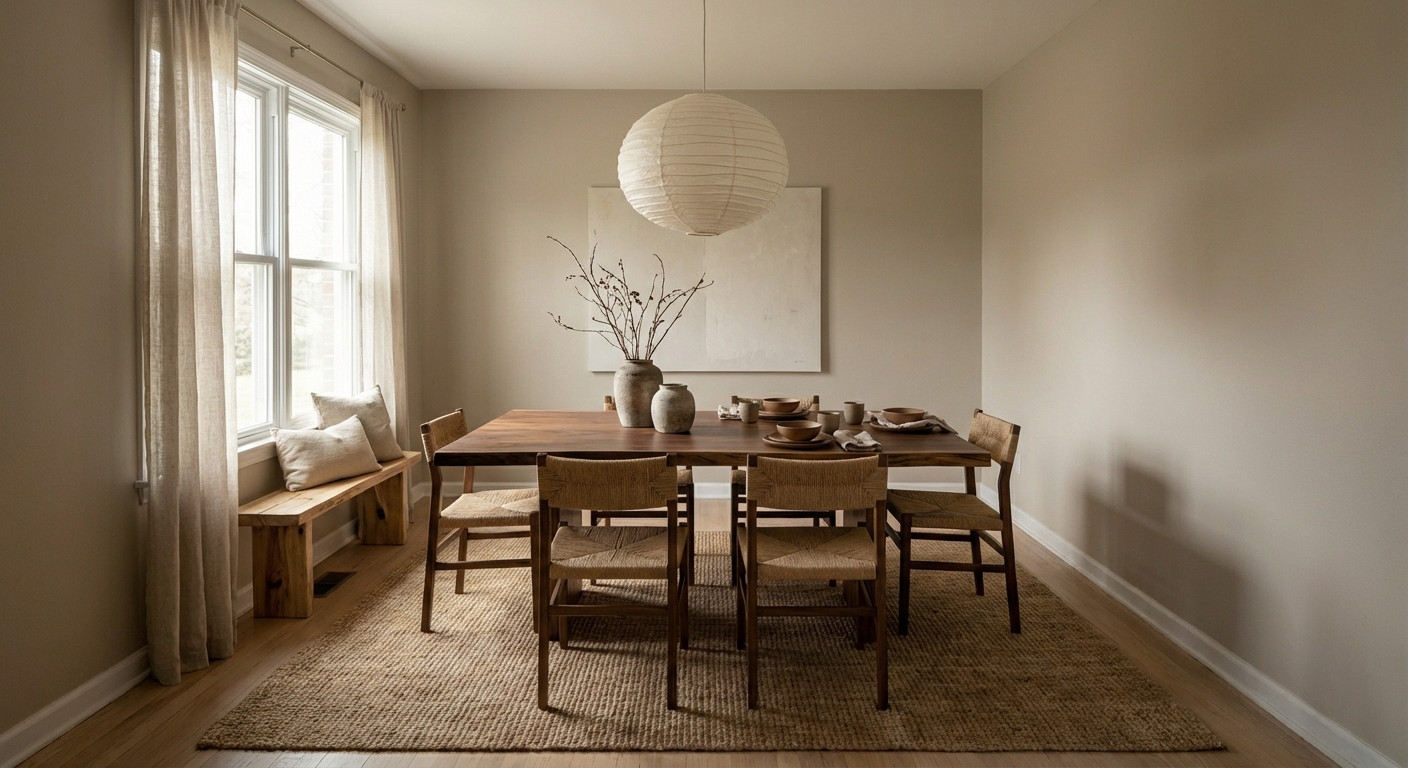
More scandinavian ideas
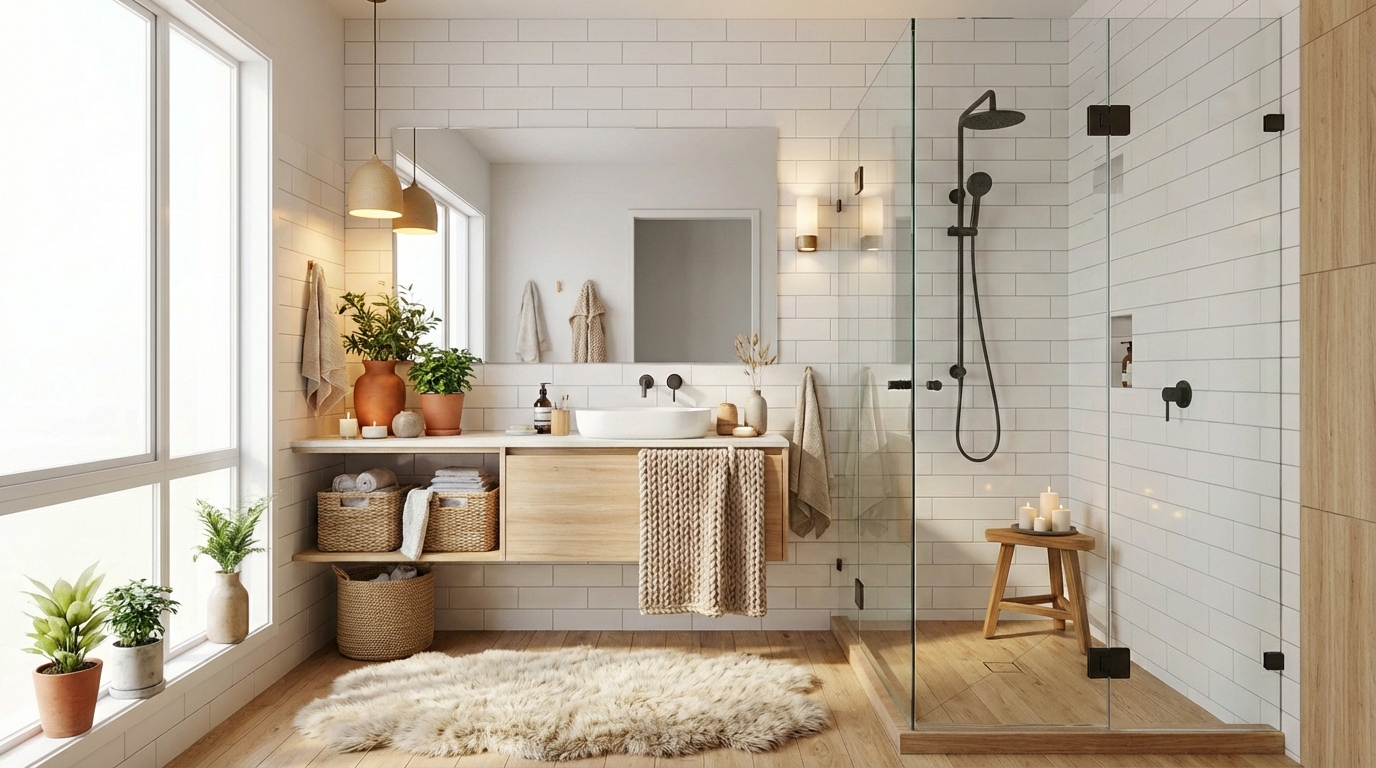
Scandinavian Bathroom Design Ideas
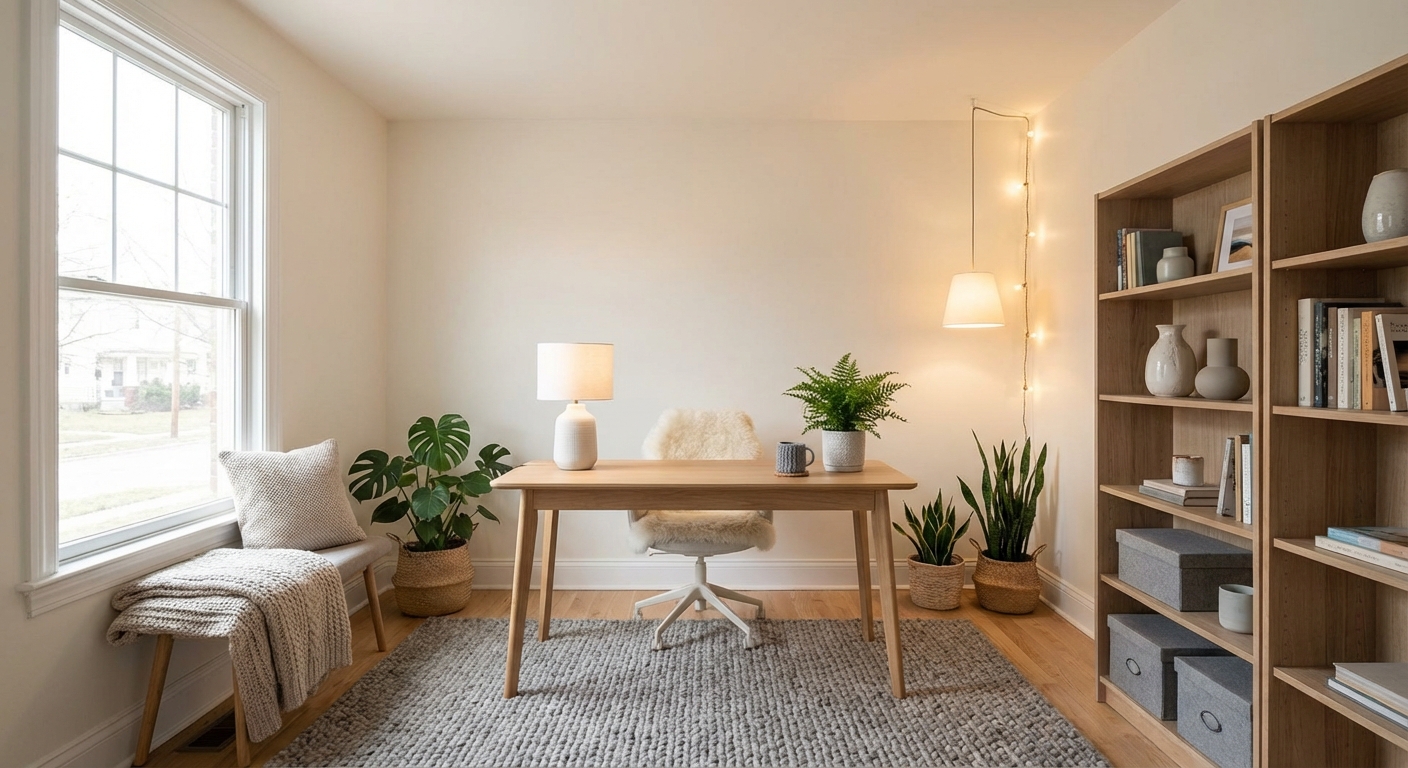
Scandinavian Home Office Design Ideas
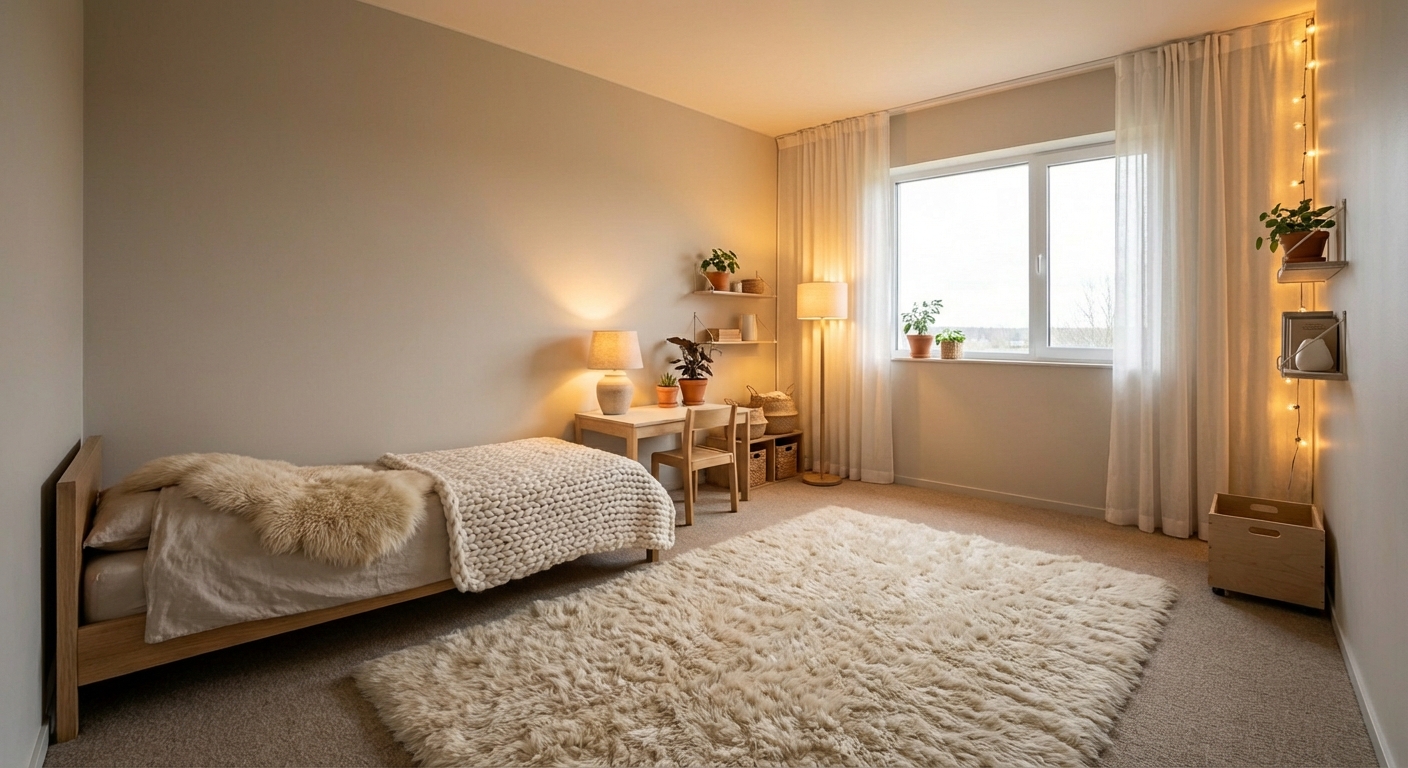
Scandinavian Kids Room Design Ideas
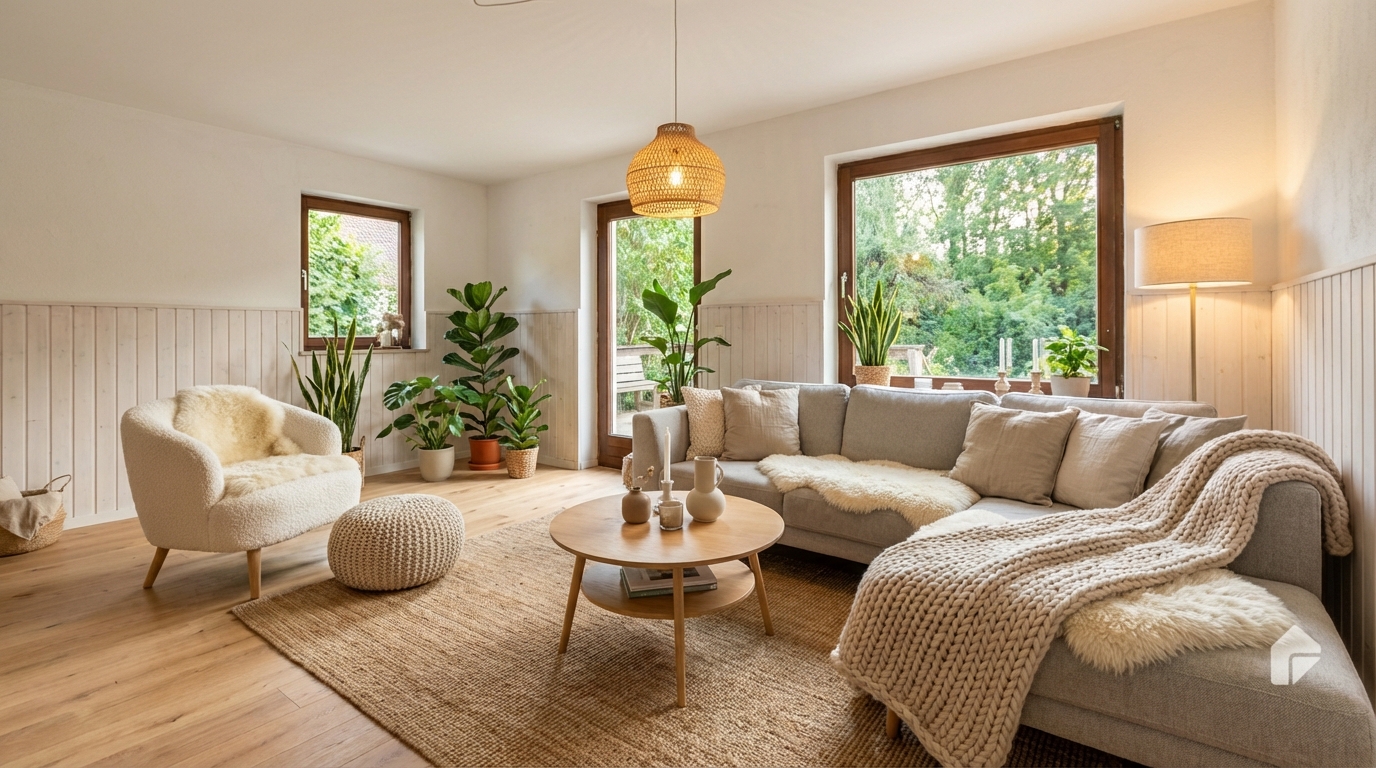
Scandinavian Patio Design Ideas
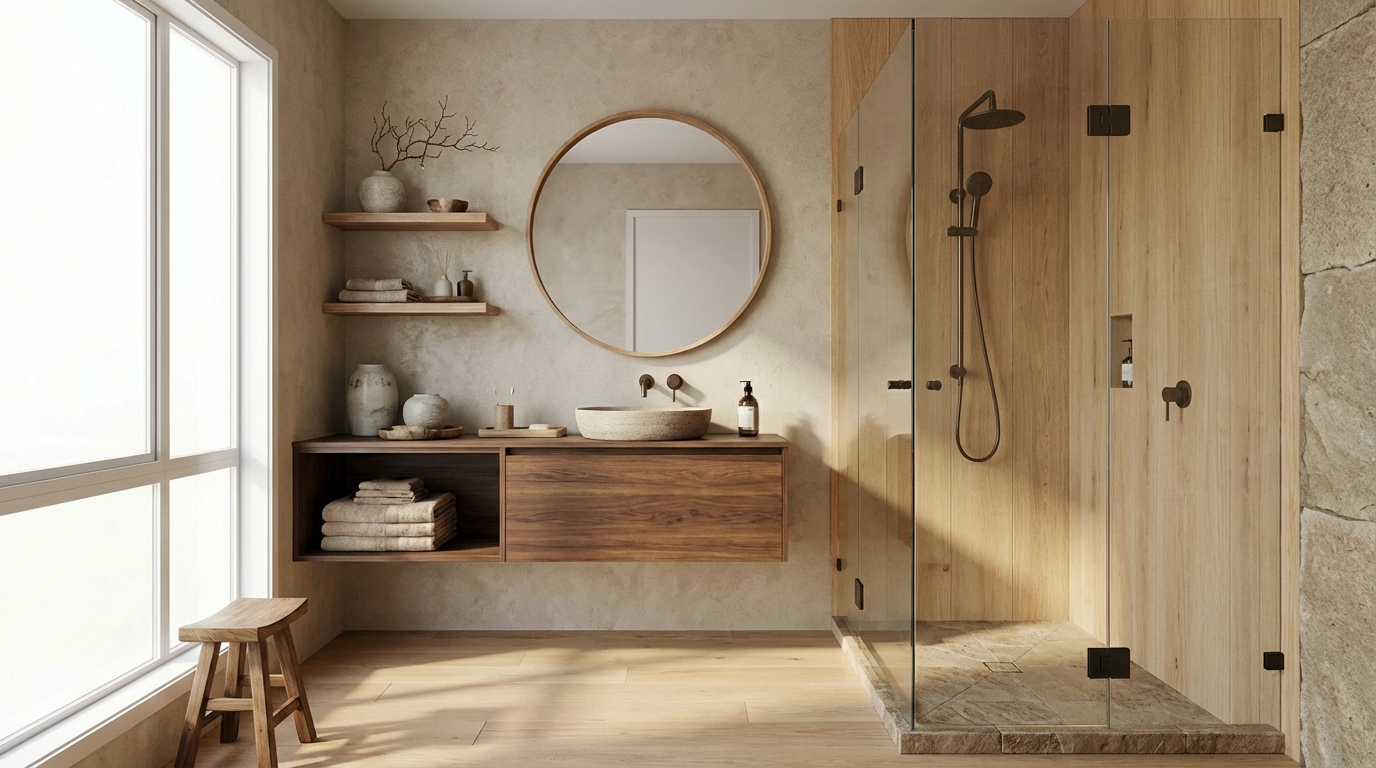
Japandi Bathroom Design Ideas
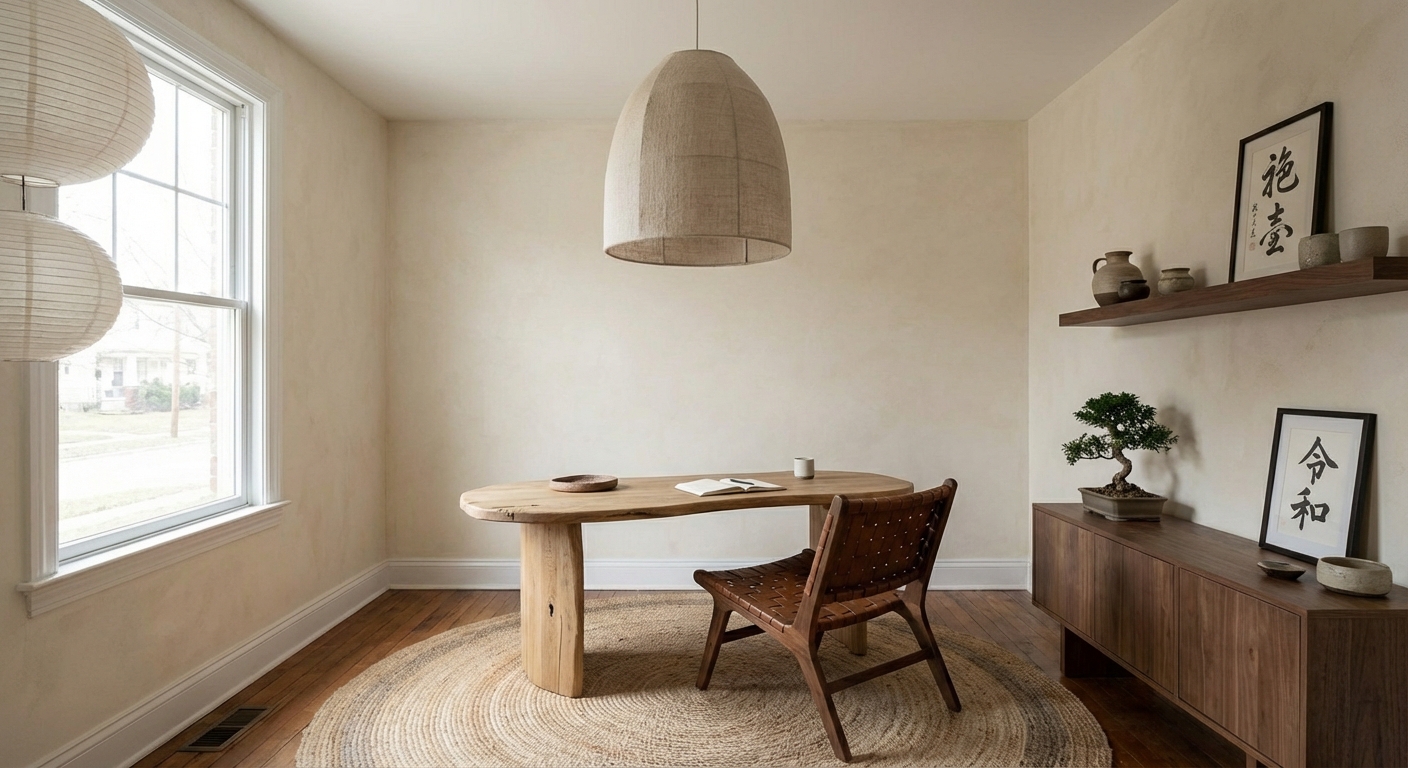
Japandi Home Office Design Ideas
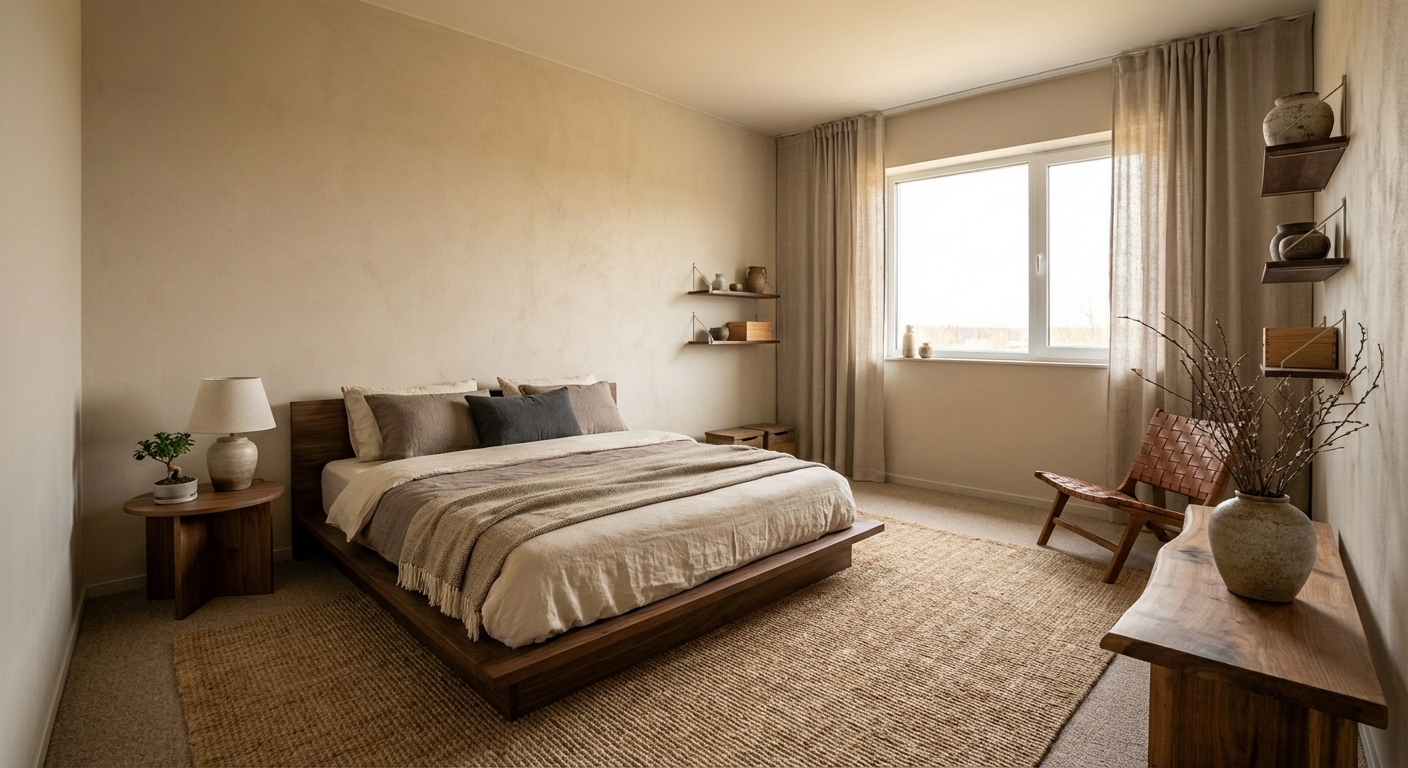
Japandi Kids Room Design Ideas
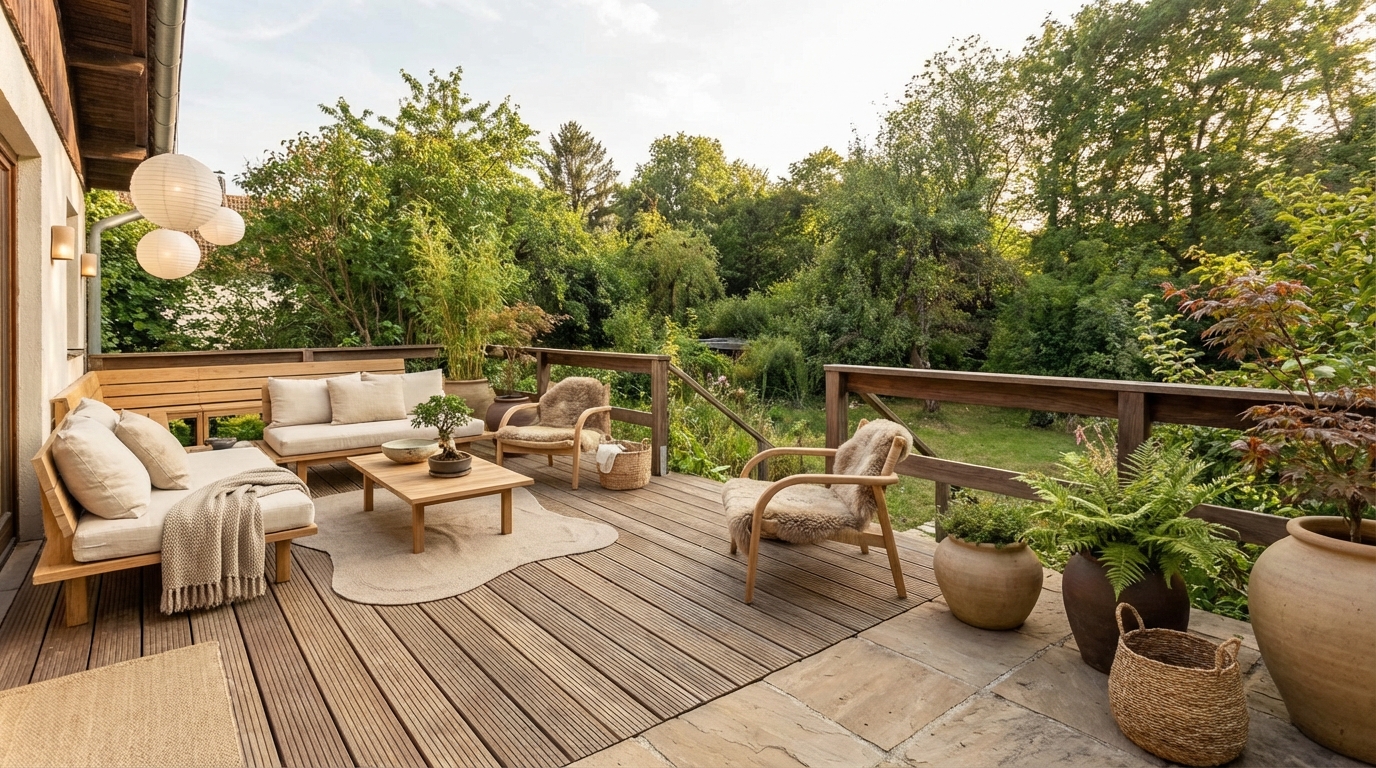
Japandi Patio Design Ideas
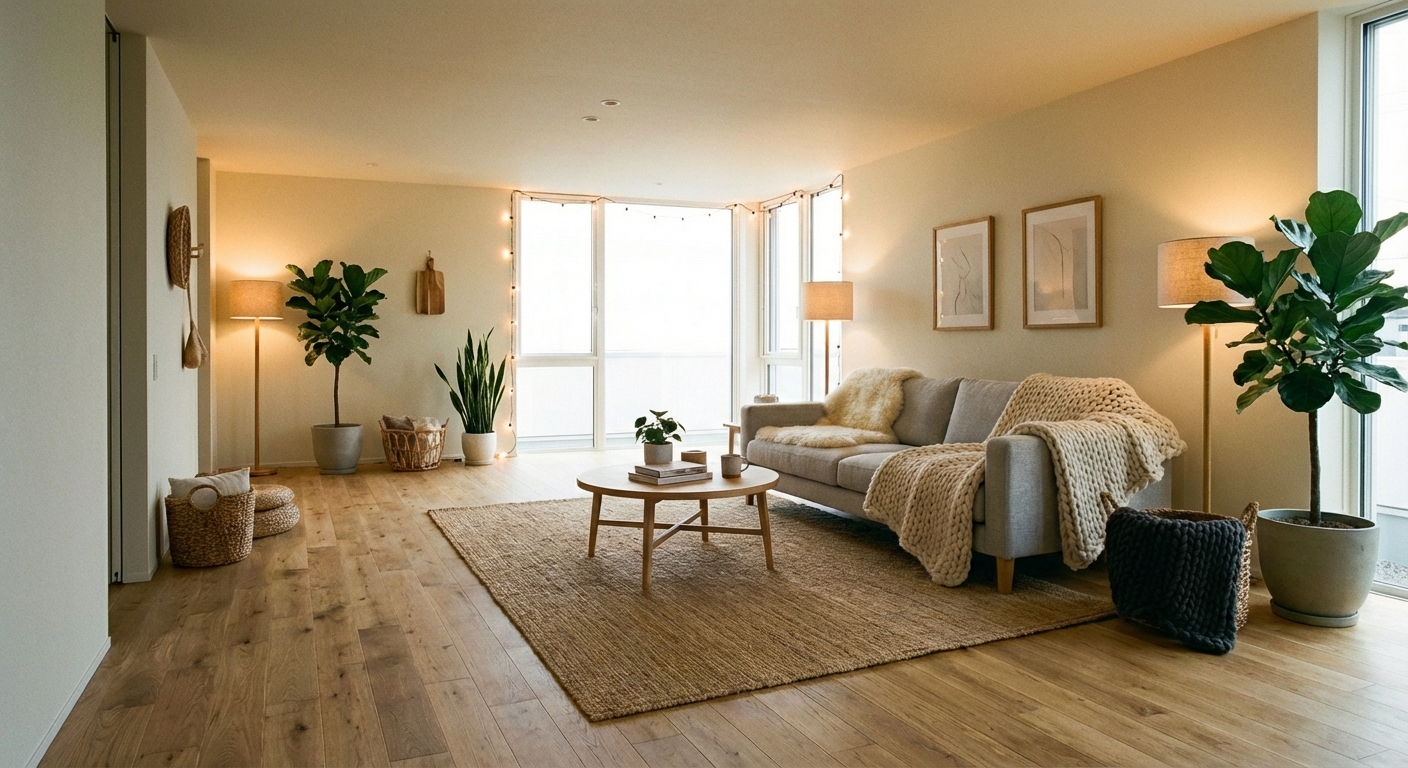
Scandinavian vs Japandi: Which Style Is Right for You?
Scandinavian vs Coastal: Northern Light vs Ocean Breeze
Biophilic vs Scandinavian: Nature-Centric Approaches Compared
Monochromatic vs Scandinavian: Tonal Depth vs Bright Simplicity
Try scandinavian on your room with AI
Styles look different in every room. Upload a photo, choose scandinavian, and compare the palette, furniture scale, and material direction on your actual space before buying anything.
Quick answers about scandinavian style
Move between style and room views or preview the direction on your space.
Frequently Asked Questions
Q1 How is Scandinavian different from minimalist?
Scandinavian is warmer and cozier. It shares the editing instinct of minimalism but always brings in pale wood, layered textiles (linen, wool, sheepskin), and soft accents. Minimalist rooms can be spare to the point of austere; Scandinavian rooms are usually warm enough to invite a three-hour dinner.
Q2 Does Scandinavian work in a sunny climate?
Yes, with adjustments. The palette shifts slightly warmer (cream over cool white), textiles get lighter weight (linen rather than wool boucle), and reflective surfaces get restrained so the room does not read glaring at noon. The principles (pale wood, tight palette, functional furniture) travel to any climate.
Q3 What is the one must-have item in a Scandinavian room?
Pale wood, somewhere. The floor (whitewashed oak, soaped ash), the dining table, the chair frames — the room almost always has at least one piece of blonde wood doing the anchoring. Without it, the room reads minimalist rather than Scandinavian.
Q4 Can AI preview a Scandinavian direction?
Yes — it is one of the most popular directions and very well represented in model training data. Results are usually strong.
Preview scandinavian on your real rooms with AI
Upload a photo in the free visualizer and preview the look before you buy paint, furniture, or a renovation.