Design a Home That Grows With You — Safely and Beautifully
Aging-in-place design is not about making your home look institutional. Smart upgrades to lighting, flooring, and layout create rooms that are safer for everyone while looking effortlessly stylish.
What is Age-Friendly Room Design for Comfort & Safety?
Aging-in-place design is not about making your home look institutional. Smart upgrades to lighting, flooring, and layout create rooms that are safer for everyone while looking effortlessly stylish.
2/4
See the Transformation
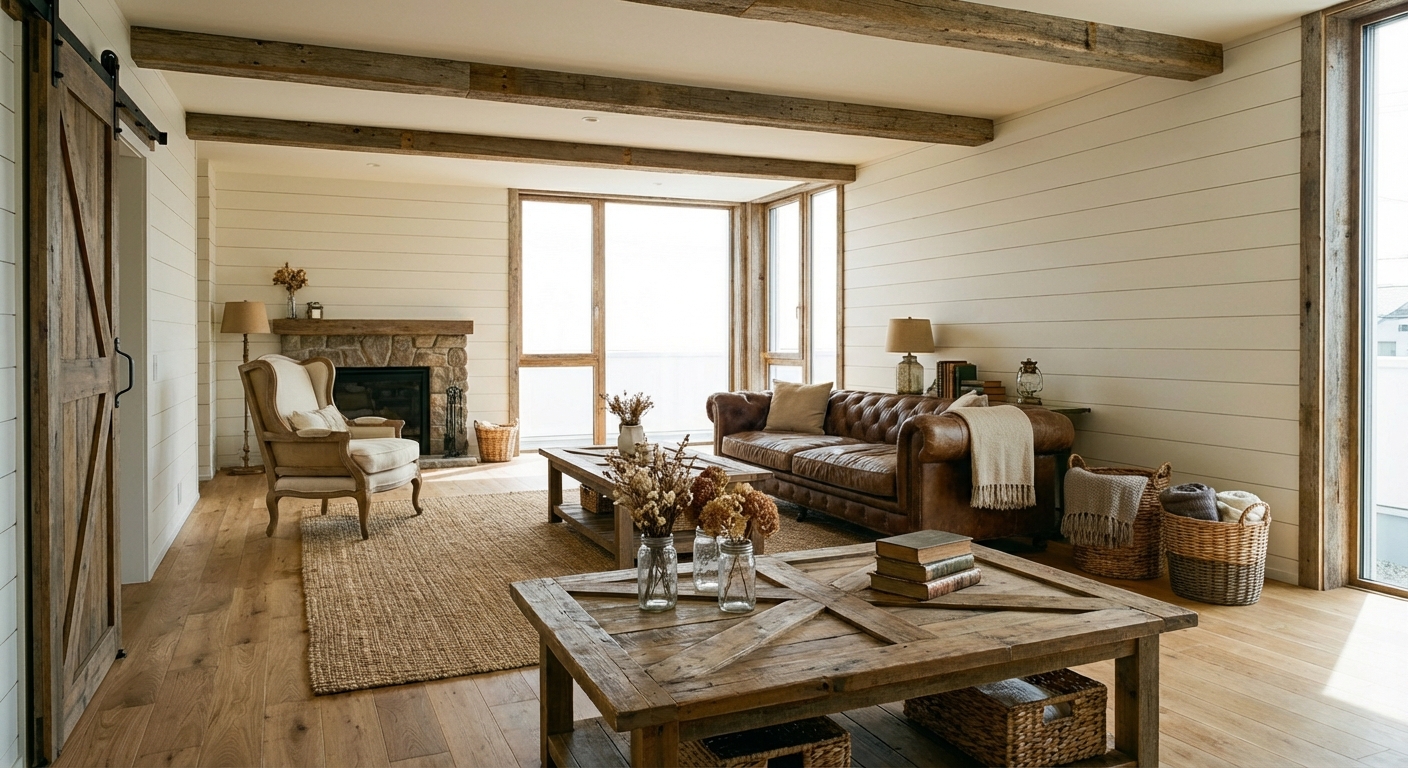
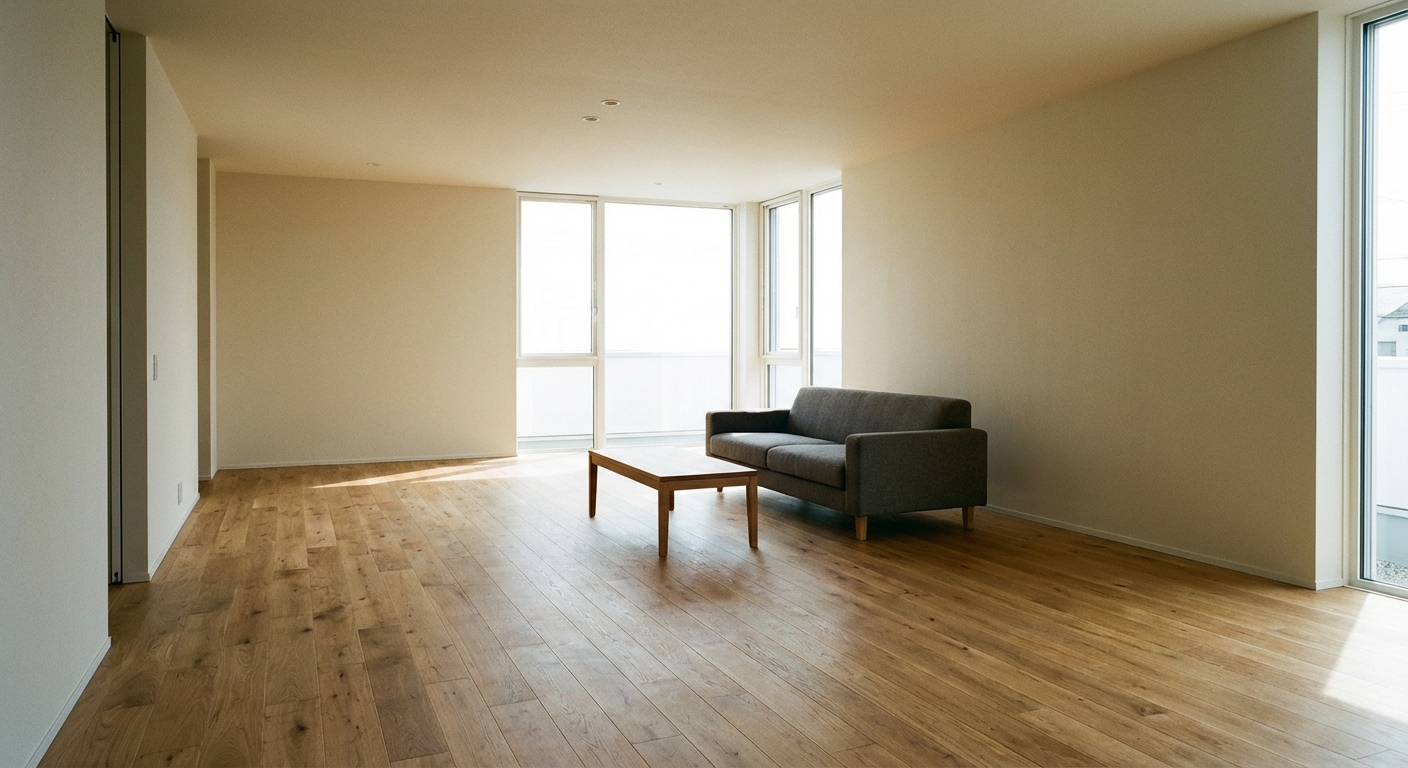
Upload your room photo in the app to see your real transformation
Color Palette
Click any color to copy hex code
Why It Works
Age-friendly design follows universal design principles — creating spaces that work for people of all ages and abilities. Wider doorways accommodate wheelchairs but also make furniture delivery easier. Lever door handles are simpler for arthritic hands but also more convenient for anyone carrying groceries. Non-slip flooring prevents falls for seniors but also protects toddlers. These changes benefit everyone in the household and future-proof the home for decades.
Best for
- people ready to test options on a real photo before buying
- anyone planning a real living room where conversation distance, TV glare, and traffic past the sofa matter more than Pinterest perfection
- projects already thinking about lighting and needing a coherent layout
Skip if
- you will not address conversation distance and only want a filter look
- you need the room finished tomorrow with zero test fits
Common mistakes
People pin age-friendly living room ideas and then shopping object-by-object with no envelope decision. Details like lighting only work if the plan respects conversation distance, TV glare, and traffic past the sofa. Another miss: pushing every seat against the walls and calling the empty middle “open”.
Decide this first
fix the primary seating pair and one clear path before decorative chairs. Lock a coherent material story instead of random catalog picks as a short list, then use Intero on a real photo so scale and light are honest before you spend.
How to Achieve This Look
- 1
Install stylish grab bars in bathrooms near toilet and shower
- 2
Replace all door knobs with lever-style handles
- 3
Remove tripping hazards — loose rugs, raised thresholds, and clutter
- 4
Ensure clear 36-inch pathways through all rooms
- 5
Increase lighting levels throughout, especially in hallways and stairs
- 6
Add non-slip flooring or treatments in bathrooms and kitchens
Layout & materials
Start with flooring: remove tripping hazards like raised thresholds, loose rugs, and uneven transitions. Install non-slip surfaces in bathrooms and kitchens. Add grab bars in the shower and beside the toilet — modern designs in brushed nickel or matte black look like towel bars. Improve lighting everywhere, especially in hallways, staircases, and bathrooms — motion-activated night lights prevent falls. Ensure at least one living level has a bedroom, bathroom, and kitchen accessible without stairs. Choose lever handles over knobs for doors and faucets.
Modern grab bars come in beautiful finishes that look like towel bars — install them now before they are needed and nobody will know the difference.
Intero AI lets you preview how safety upgrades like grab bars, improved lighting, and furniture rearrangements look in your actual room. Upload a photo and see that aging-in-place design can be both functional and beautiful — not clinical or institutional.
Frequently Asked Questions
Q1 Do aging-in-place features make a home look institutional?
Not anymore. Modern grab bars come in designer finishes like matte black and brushed gold. Walk-in showers are a luxury trend. Lever handles are standard in contemporary design. Most universal design features now look intentionally stylish.
Q2 What is the most important aging-in-place upgrade?
Bathroom safety — falls are the leading cause of injury for seniors at home. A walk-in shower with a bench, grab bars, and non-slip flooring is the single highest-impact modification.
Q3 At what age should I start planning for aging in place?
The ideal time is during any renovation, regardless of age. Universal design features benefit every age group, cost less when installed during a renovation, and add resale value. Starting at 50 gives you time to make changes gradually.
Related searches
These are the next pages people usually open while narrowing this design direction.
You Might Also Like
Ready to See This Style in Your Room?
Download Intero and preview this design on your own room photo.
No credit card. No signup. Just results.
Scan to download
Point your phone camera at a code

