Blush Pink & Sage — A Garden-Inspired Palette That Feels Grown Up
Soft pink and muted green are nature natural pairing — rose petals against leaves. This palette brings that organic harmony indoors for rooms that feel fresh and romantic without being saccharine.
What is Blush Pink & Sage Color Palette for Interiors?
Soft pink and muted green are nature natural pairing — rose petals against leaves. This palette brings that organic harmony indoors for rooms that feel fresh and romantic without being saccharine.
See the Transformation
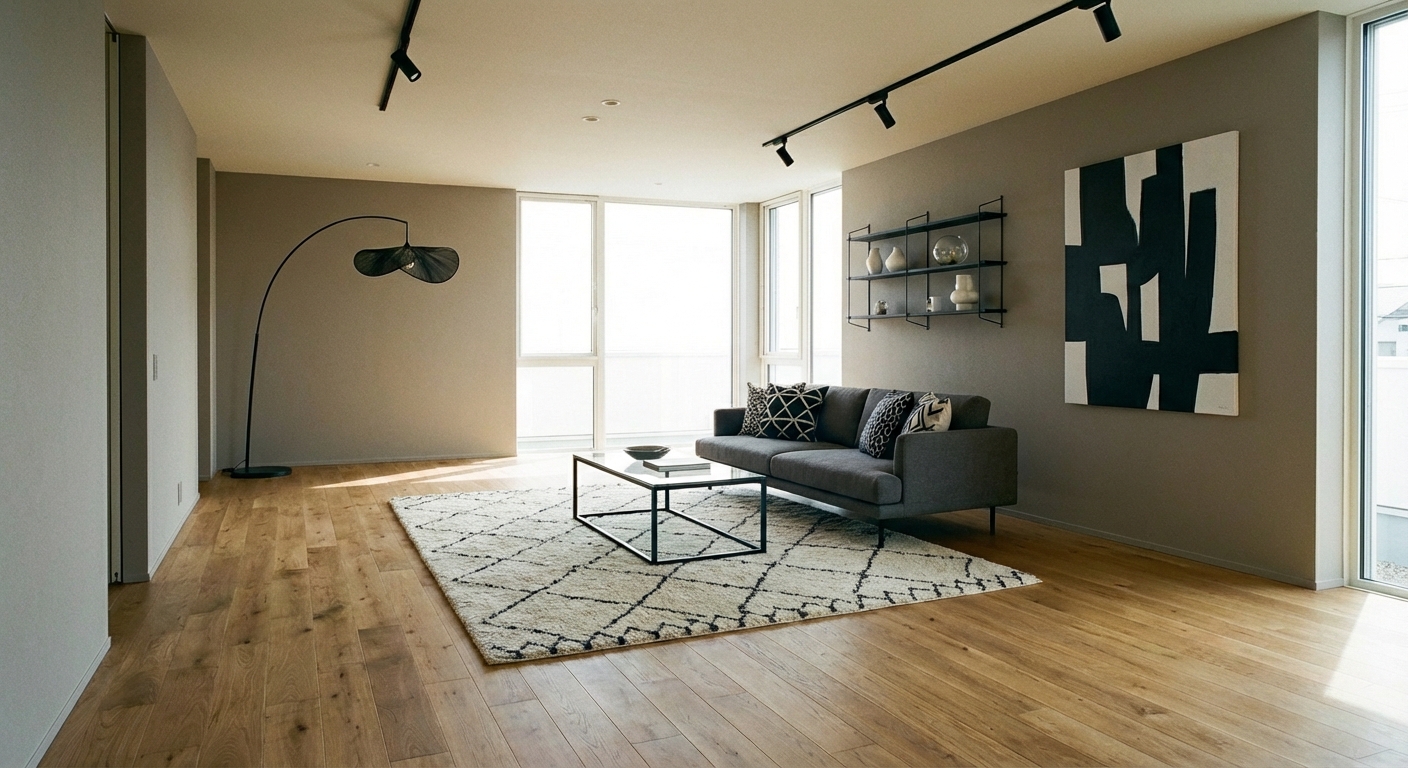
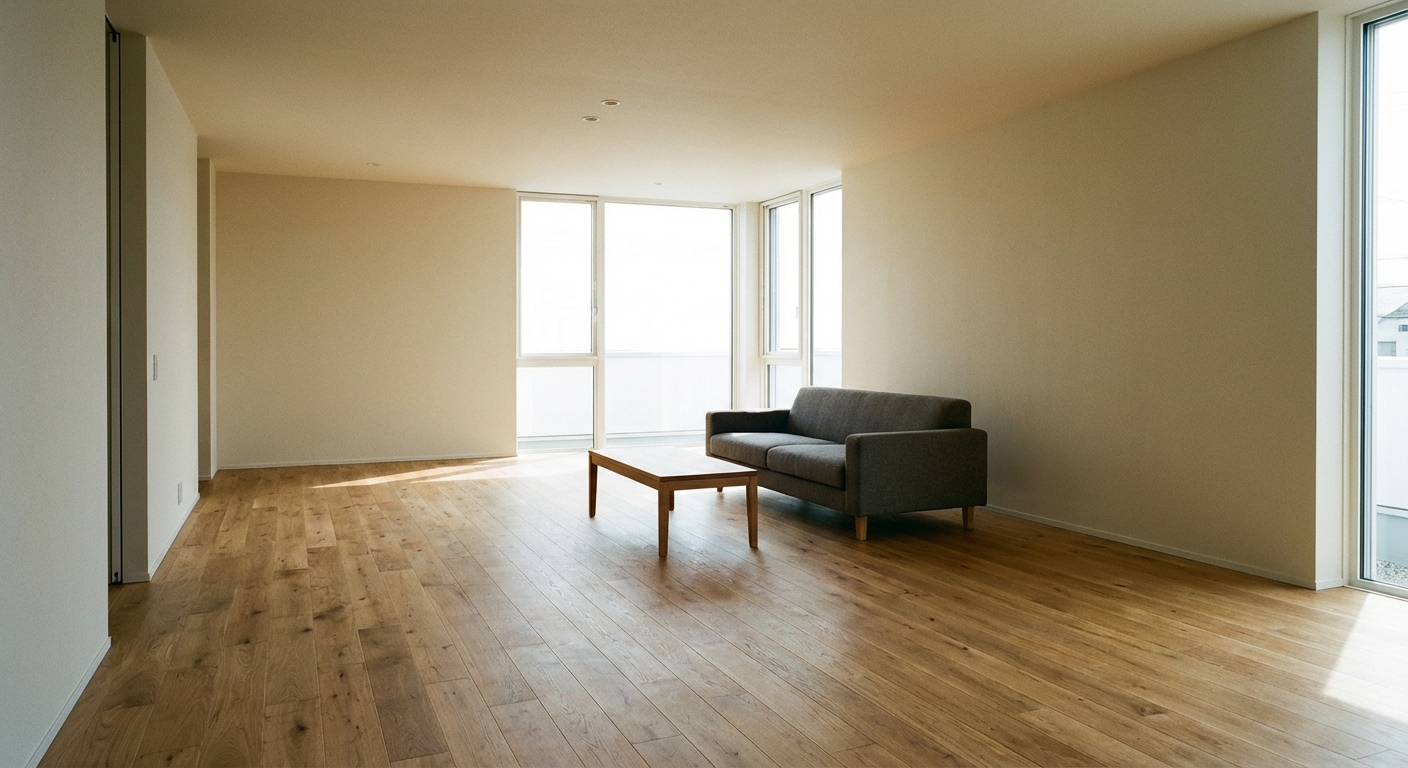
Upload your room photo in the app to see your real transformation
Why It Works
Blush pink (#E8C4C4 to #D4A5A5 range) and sage green (#B2BEB5 to #8A9A7B range) are complementary on the color wheel, creating natural visual harmony. Pink brings warmth and softness; sage brings coolness and calm. Together they prevent the extremes that each color risks alone — pink never gets too sweet when grounded by sage, and sage never gets too cold when warmed by pink. The combination references the natural world (roses, peonies, garden greenery), which gives it an organic quality that feels sophisticated rather than themed. The palette works across seasons and styles, from Scandinavian simplicity to romantic cottage to modern organic.
How to Achieve This Look
Use sage green as the dominant color (60%) — on walls, large upholstery, or major textiles. Introduce blush pink at the 30% level through accent furniture, bedding, curtains, or cushions. Reserve white or cream (10%) as the brightening neutral. The key is choosing muted, gray-toned versions of both colors rather than saturated pink or bright green. Materials should be soft and natural: linen, cotton, wool, and matte ceramics. Metallic accents should be warm — brushed gold or brass complement both colors beautifully. Avoid silver or chrome, which cool down the blush tones. Add greenery (real plants) to reinforce the sage palette naturally.
Pink tones are notoriously tricky — they shift between blush, mauve, and bubble gum depending on lighting. Intero AI lets you preview the exact blush-sage balance in your room with your specific light conditions, ensuring the palette reads as sophisticated rather than juvenile.
"I redesigned my entire apartment before buying a single piece of furniture."
— Sarah M.
Frequently Asked Questions
Q1 Is blush pink too feminine for a shared space?
Not when paired with sage green and warm neutrals. Sage grounds the pink and prevents it from reading as gendered. The combination reads as "garden" rather than "girls room." Adding natural wood tones and brass accents further balances the palette for universal appeal.
Q2 Which rooms suit blush and sage best?
Bedrooms are the most natural fit — the calming, romantic quality promotes rest. Living rooms work well with sage-dominant proportions and blush accents. Nurseries and guest rooms also benefit from the gentle palette. Kitchens and bathrooms can use sage as the dominant color with blush accents in textiles.
Q3 What neutrals pair with blush and sage?
Warm cream, soft white (not bright white), and warm taupe provide the best neutral bridges. Warm wood tones (oak, birch) complement both colors. Avoid cool gray, which can make the palette feel disconnected. The warmth of the neutrals should match the warmth of the blush.
Related searches
These are the next pages people usually open while narrowing this design direction.
You Might Also Like
Ready to Transform Your Room?
Download Intero and see this design in your space in seconds.
No credit card. No signup. Just results.