Coastal vs Tropical — Cape Cod or Caribbean?
Both draw from waterfront living, but coastal is muted and serene while tropical is lush and vibrant. The latitude changes everything about the palette.
What is Coastal vs Tropical: Seaside Calm vs Island Vibrancy?
Both draw from waterfront living, but coastal is muted and serene while tropical is lush and vibrant. The latitude changes everything about the palette.
See the Transformation
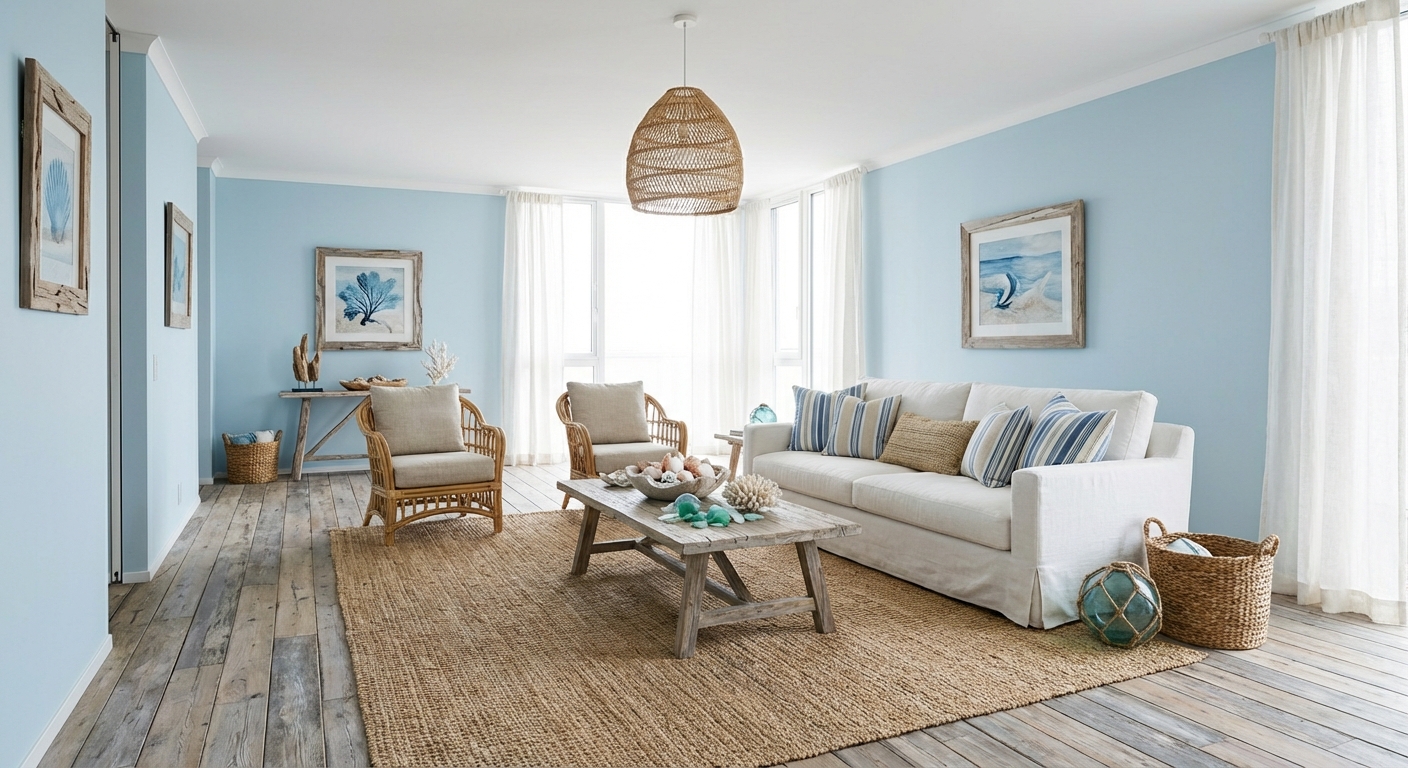
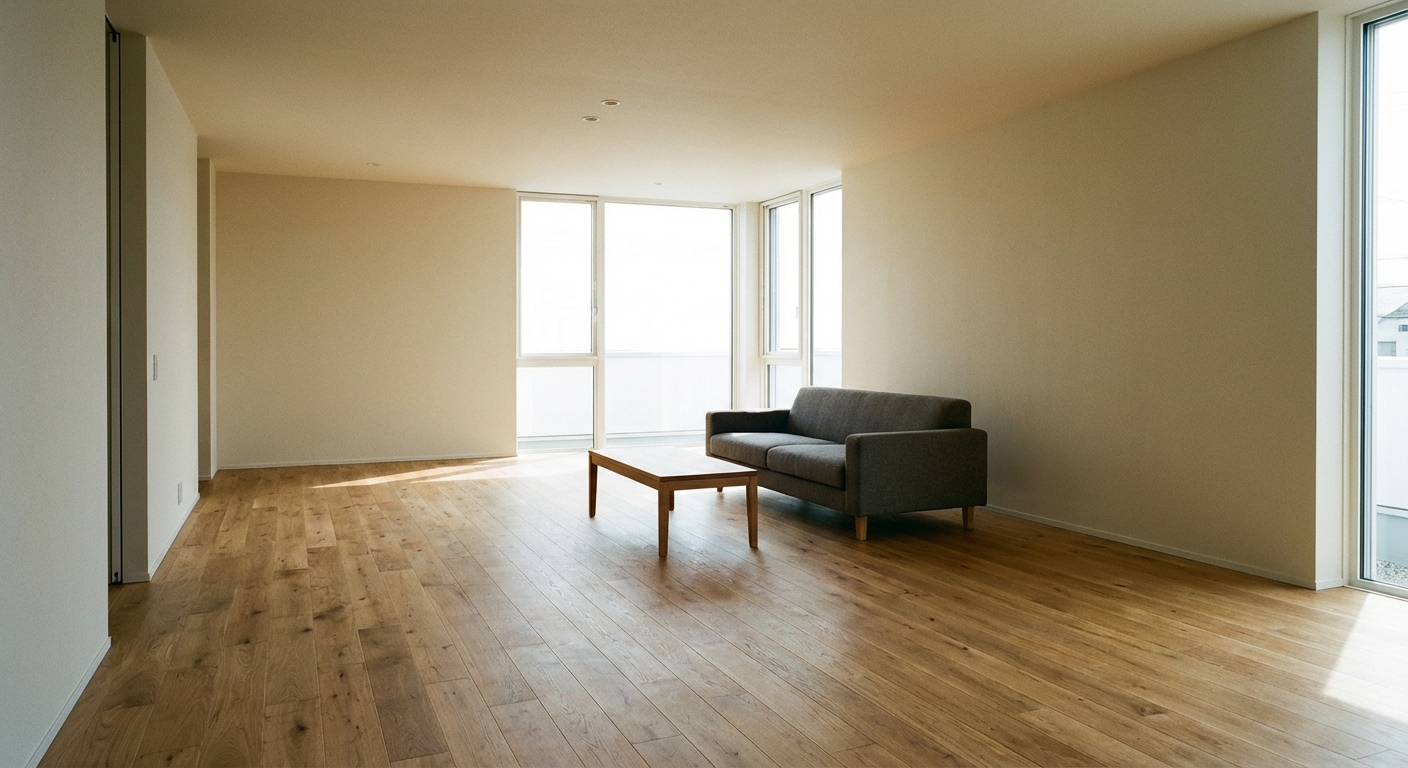
Upload your room photo in the app to see your real transformation
Why It Works
Coastal design draws from temperate shorelines — Cape Cod, the Hamptons, the Mediterranean coast. Its palette is restrained: white, sand, driftwood gray, and muted ocean blues. Materials are weathered and sun-bleached. The mood is calm, quiet, and contemplative. Tropical design draws from equatorial regions — the Caribbean, Bali, Hawaii, Southeast Asia. Its palette is bold: emerald green, coral, turquoise, and bright white. Materials are lush and dramatic — banana leaf, bamboo, rattan, and tropical hardwoods. The mood is energetic, luxurious, and celebratory. Coastal whispers; tropical sings.
Best for
- people ready to test options on a real photo before buying
- anyone planning a real living room where conversation distance, TV glare, and traffic past the sofa matter more than Pinterest perfection
- projects already thinking about linen and needing a coherent layout
Skip if
- you will not address conversation distance and only want a filter look
- you refuse to remove anything and only add decor
Common mistakes
In a living room, “coastal” fails when you shopping object-by-object with no envelope decision. Details like linen only work if the plan respects conversation distance, TV glare, and traffic past the sofa. Another miss: pushing every seat against the walls and calling the empty middle “open”.
Decide this first
fix the primary seating pair and one clear path before decorative chairs. Lock a coherent material story instead of random catalog picks as a short list, then use Intero on a real photo so scale and light are honest before you spend.
How to Achieve This Look
For coastal: stick to whites, blues, and sandy neutrals. Use bleached or whitewashed wood, linen, and rope textures. Keep patterns subtle — thin stripes, ticking, or woven textures rather than bold prints. Furniture should be simple and relaxed. For tropical: go bold with leafy prints — palm, banana leaf, and monstera patterns on upholstery, wallpaper, or accent pillows. Use deep greens, coral pinks, and turquoise alongside crisp white. Add bamboo and rattan furniture with substantial proportions. Include large-scale tropical plants — fiddle leaf figs, birds of paradise, and monstera. Coastal subtracts; tropical adds.
Intero AI lets you preview both coastal calm and tropical energy in your room. Upload a photo and compare the muted seaside palette against the vivid island aesthetic to determine which waterfront style matches your personality.
Frequently Asked Questions
Q1 Can I do tropical design without it looking like a resort lobby?
Yes — use tropical elements selectively. A single palm-print wallpaper accent wall, one or two tropical plants, and rattan accent furniture add tropical energy without theme-park excess. Pair with modern furniture to keep it grounded. Less is often more with tropical prints.
Q2 Which style works better in cold climates?
Coastal translates more naturally to cold climates because its muted, neutral palette does not clash with gray winter skies. Tropical vibrancy can feel disconnected from cold weather, though many people embrace it precisely as an escape — a warm, green room feels restorative on a dark winter day.
Q3 Can I mix coastal and tropical elements?
Yes — use the coastal white-and-neutral base, then layer in tropical greenery and one or two bolder accents. The shared rattan and natural fiber materials bridge both styles. Avoid combining muted coastal blues with vibrant tropical turquoise in equal proportion.
Related searches
These are the next pages people usually open while narrowing this design direction.
Design Guides You'll Love
Ready to See This Style in Your Room?
Download Intero and preview this design on your own room photo.
No credit card. No signup. Just results.
Scan to download
Point your phone camera at a code

