Eclectic vs Maximalist — Curated Collection or Fearless Abundance?
Both embrace more-is-more, but eclectic collects carefully from many sources while maximalist commits fully to bold excess.
What is Eclectic vs Maximalist: Curated Chaos vs Intentional Excess?
Both embrace more-is-more, but eclectic collects carefully from many sources while maximalist commits fully to bold excess.
See the Transformation
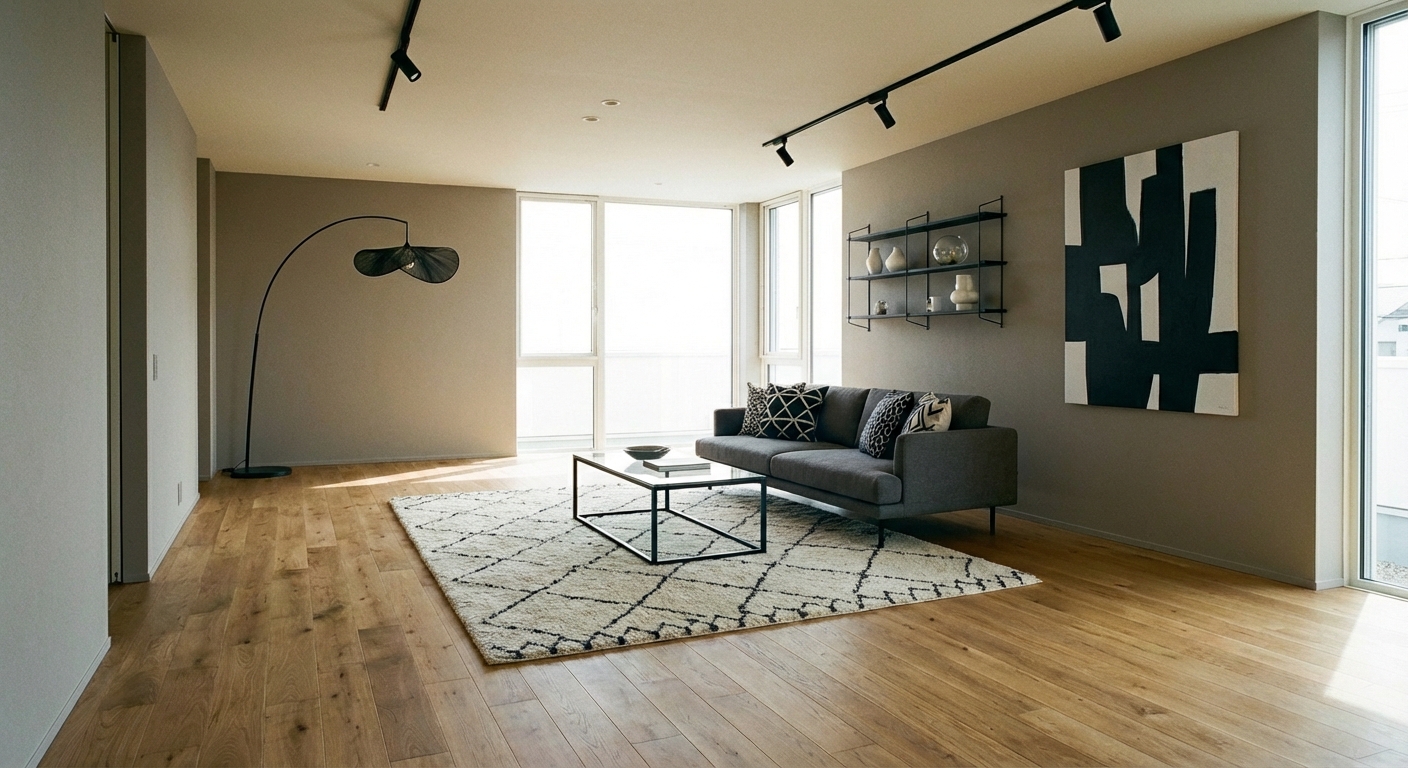
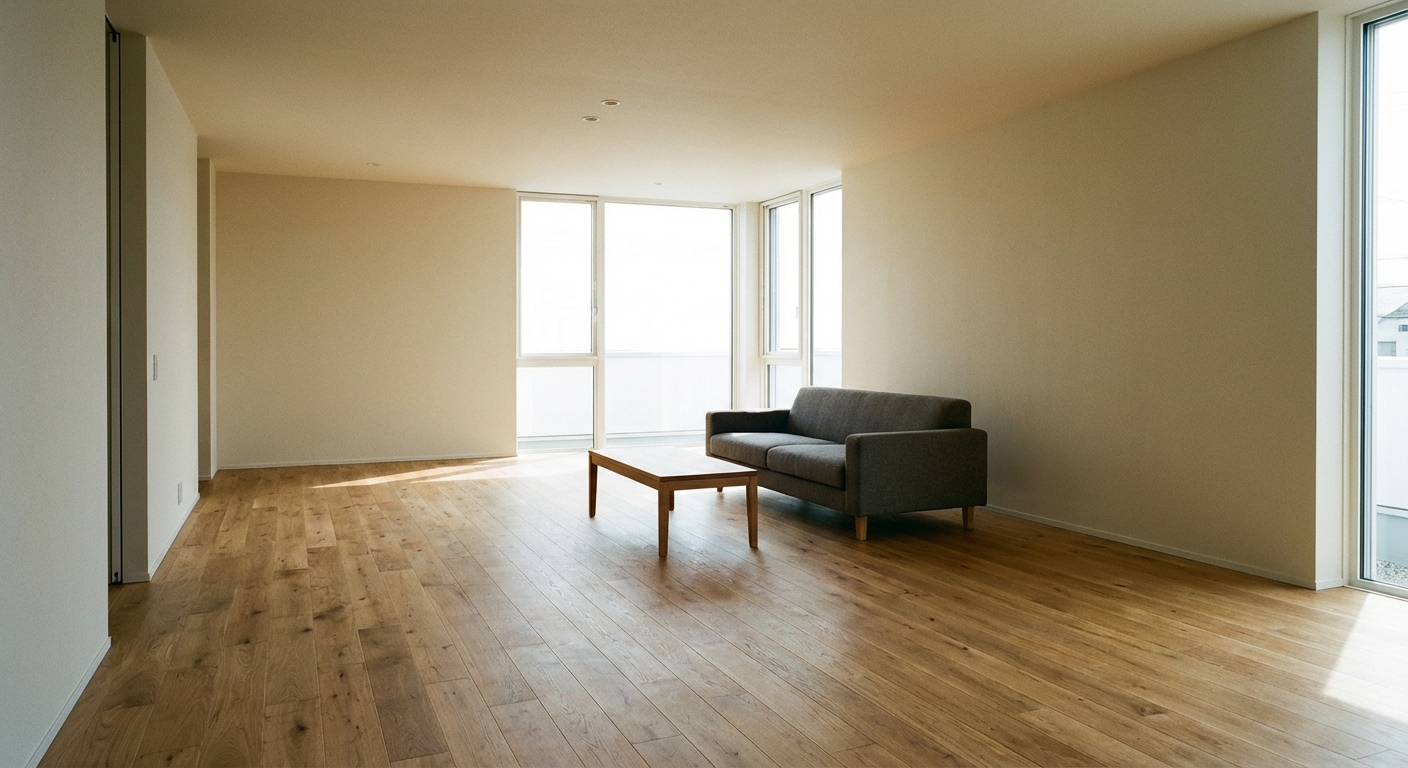
Upload your room photo in the app to see your real transformation
Why It Works
Eclectic design is about breadth — pulling furniture, art, and accessories from diverse styles, eras, and cultures into a room that feels traveled and personal. The key is a curating eye that finds visual connections between dissimilar objects. Maximalist design is about depth — committing fully to abundance, pattern, color, and visual saturation. Every surface is styled, every pattern is bold, and restraint is not the goal. Eclectic rooms feel like a well-traveled collector lives there; maximalist rooms feel like the designer turned every dial to eleven. The crucial difference: eclectic uses variety as its organizing principle; maximalist uses intensity. An eclectic room has diverse objects with breathing room; a maximalist room has intense objects layered to the ceiling.
Best for
- people ready to test options on a real photo before buying
- anyone planning a real living room where conversation distance, TV glare, and traffic past the sofa matter more than Pinterest perfection
- projects already thinking about rug, sofa, lighting and needing a coherent layout
Skip if
- you will not address conversation distance and only want a filter look
- you refuse to remove anything and only add decor
Common mistakes
In a living room, “eclectic” fails when you shopping object-by-object with no envelope decision. Details like rug, sofa, lighting only work if the plan respects conversation distance, TV glare, and traffic past the sofa. Another miss: pushing every seat against the walls and calling the empty middle “open”.
Decide this first
fix the primary seating pair and one clear path before decorative chairs. Lock a coherent material story instead of random catalog picks as a short list, then use Intero on a real photo so scale and light are honest before you spend.
How to Achieve This Look
For eclectic: start with a neutral base and add collected pieces from different styles — a mid-century chair beside a Moroccan rug, a modern sofa with vintage throw pillows, industrial lighting above a Victorian side table. The unifying thread is your personal taste, connected by a consistent color palette or material. For maximalist: commit to bold patterns on walls (wallpaper, murals), layer patterns on textiles (a patterned sofa with patterned pillows on a patterned rug), fill walls with salon-style art, and style every surface with objects. Use a coordinated color palette to prevent visual chaos — maximalism is intentional abundance, not random accumulation.
Both styles require balancing many elements. Intero AI lets you preview how eclectic variety and maximalist intensity work in your room, testing different levels of visual saturation to find the sweet spot between curated and overwhelming.
Frequently Asked Questions
Q1 When does eclectic become maximalist?
When the room loses breathing room. An eclectic room has intentional empty space between collected objects. When every surface is styled, every wall is covered, and every pattern competes for attention, the room has crossed from eclectic variety into maximalist saturation. Neither is wrong — they are different commitments.
Q2 Which is harder to get right?
Both require a strong eye. Eclectic demands finding connections between dissimilar objects, which requires understanding proportion, color, and style at an advanced level. Maximalist demands confidence and a willingness to layer aggressively. Eclectic fails when it looks random; maximalist fails when it looks cluttered.
Q3 Can a small room be maximalist?
Yes — small maximalist rooms can be incredibly impactful, like stepping into a jewel box. Bold wallpaper, a densely styled bookshelf, and layered textiles in a small room create an immersive experience. The key is maintaining a cohesive color palette so the intensity feels intentional.
Related searches
These are the next pages people usually open while narrowing this design direction.
You Might Also Like
Design Guides You'll Love
Ready to See This Style in Your Room?
Download Intero and preview this design on your own room photo.
No credit card. No signup. Just results.
Scan to download
Point your phone camera at a code

