The Complete Guide to Eclectic Interior Design
Eclectic design is not "anything goes" — it is the most advanced style discipline, requiring a trained eye to make diverse elements feel like they belong together.
What is Complete Guide to Eclectic Interior Design?
Eclectic design is not "anything goes" — it is the most advanced style discipline, requiring a trained eye to make diverse elements feel like they belong together.
See the Transformation
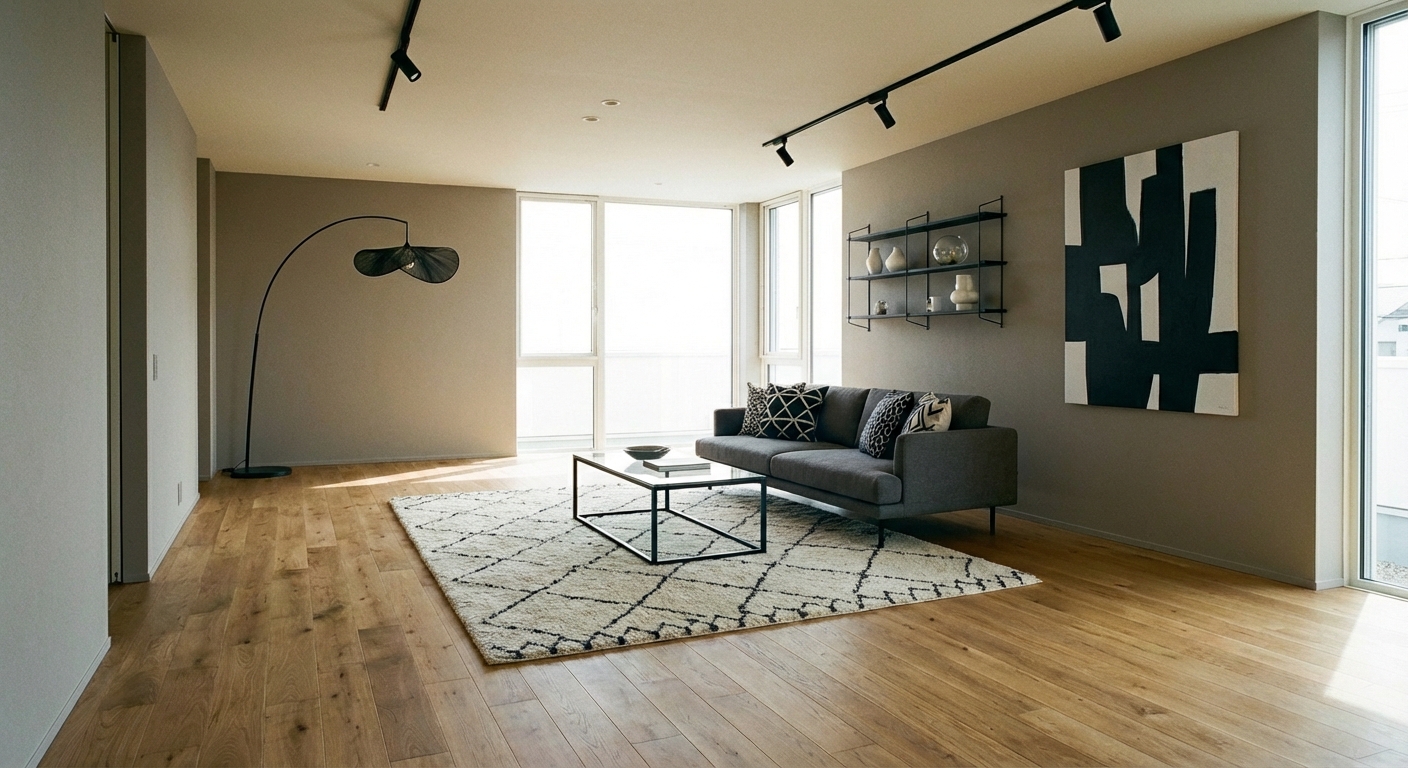
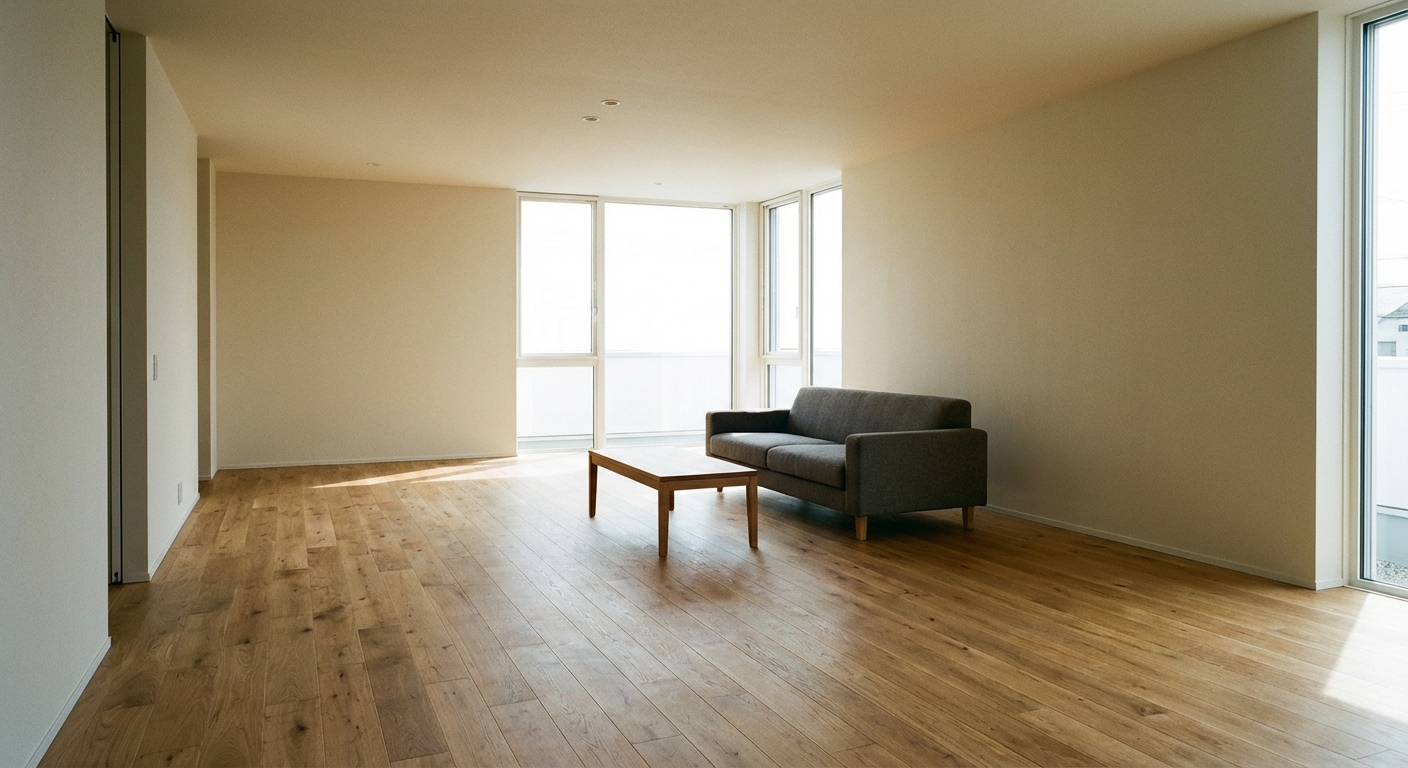
Upload your room photo in the app to see your real transformation
Why It Works
Eclectic design is the practice of curating pieces from different styles, eras, and cultures into a cohesive whole. It succeeds when there is a "curating eye" — a person taste that serves as the unifying thread connecting a mid-century chair to a Moroccan rug to a contemporary lamp. The style works because it creates rooms with genuine personality that cannot be replicated by buying a single collection from one store. An eclectic room tells a story: travels, inheritances, flea market finds, and impulse purchases that together create a space as unique as its owner. The key distinction from randomness is intention — every piece is chosen, and the connections between dissimilar objects (a shared color, material, or scale) are deliberate.
Best for
- people ready to test options on a real photo before buying
- anyone planning a real living room where conversation distance, TV glare, and traffic past the sofa matter more than Pinterest perfection
- projects already thinking about rug, sofa and needing a coherent layout
Skip if
- you will not address conversation distance and only want a filter look
- you refuse to remove anything and only add decor
Common mistakes
In a living room, “complete” fails when you shopping object-by-object with no envelope decision. Details like rug, sofa only work if the plan respects conversation distance, TV glare, and traffic past the sofa. Another miss: pushing every seat against the walls and calling the empty middle “open”.
Decide this first
fix the primary seating pair and one clear path before decorative chairs. Lock a coherent material story instead of random catalog picks as a short list, then use Intero on a real photo so scale and light are honest before you spend.
How to Achieve This Look
Start with a neutral foundation: white or warm gray walls and a simple flooring that lets the collected pieces be the stars. Choose a color palette of three to four colors that will serve as the thread connecting diverse pieces. Mix eras deliberately: a vintage coffee table with a modern sofa, an antique mirror above a contemporary console. Mix cultures: a Moroccan rug, Japanese ceramics, and a Swedish lamp can coexist when connected by a shared color or material. Vary scale: one large statement piece per room (an oversized vintage painting, an antique armoire) balanced by smaller collected objects. Do not match — coordinate. Matching is for catalog rooms; coordinating is for curated ones. Edit regularly: an eclectic room should feel collected, not crammed.
Eclectic design is the hardest to preview because success depends on the relationship between diverse pieces. Intero AI lets you test how different collected items interact in your room, verifying that the mix feels curated rather than chaotic before committing to purchases.
Frequently Asked Questions
Q1 How do I keep eclectic from looking messy?
Three rules: maintain a consistent color palette (maximum four colors), vary the scale of objects (not all small or all large), and leave breathing room between groupings. When every diverse object shares a color thread and there is enough negative space to appreciate each piece, eclectic reads as curated.
Q2 Where do I find eclectic furniture?
Everywhere — that is the point. Flea markets, estate sales, vintage shops, Etsy, international imports, and contemporary retailers all contribute. The best eclectic rooms have pieces from at least three different sources. The hunt is part of the style.
Q3 Is eclectic appropriate for every room?
Eclectic works best in living rooms, dining rooms, and bedrooms where personal expression enhances the experience. It can work in kitchens and bathrooms if the bones are neutral and the eclectic elements are decorative. Avoid eclectic in spaces where visual calm is paramount (nurseries, meditation rooms).
Q4 What is the difference between eclectic and bohemian?
Bohemian is a subset of eclectic with a specific aesthetic: global textiles, warm colors, natural materials, and a relaxed free-spirit vibe. Eclectic is broader — it can include bohemian elements alongside modern art, vintage industrial pieces, and high-design furniture. Bohemian has a mood; eclectic has range.
Related searches
These are the next pages people usually open while narrowing this design direction.
You Might Also Like
Ready to See This Style in Your Room?
Download Intero and preview this design on your own room photo.
No credit card. No signup. Just results.
Scan to download
Point your phone camera at a code

