How to Mix Design Styles Without Creating Chaos
The most interesting rooms blend multiple styles — but there is a fine line between eclectic and chaotic. These rules help you mix confidently.
What is How to Mix Design Styles Successfully?
The most interesting rooms blend multiple styles — but there is a fine line between eclectic and chaotic. These rules help you mix confidently.
2/4
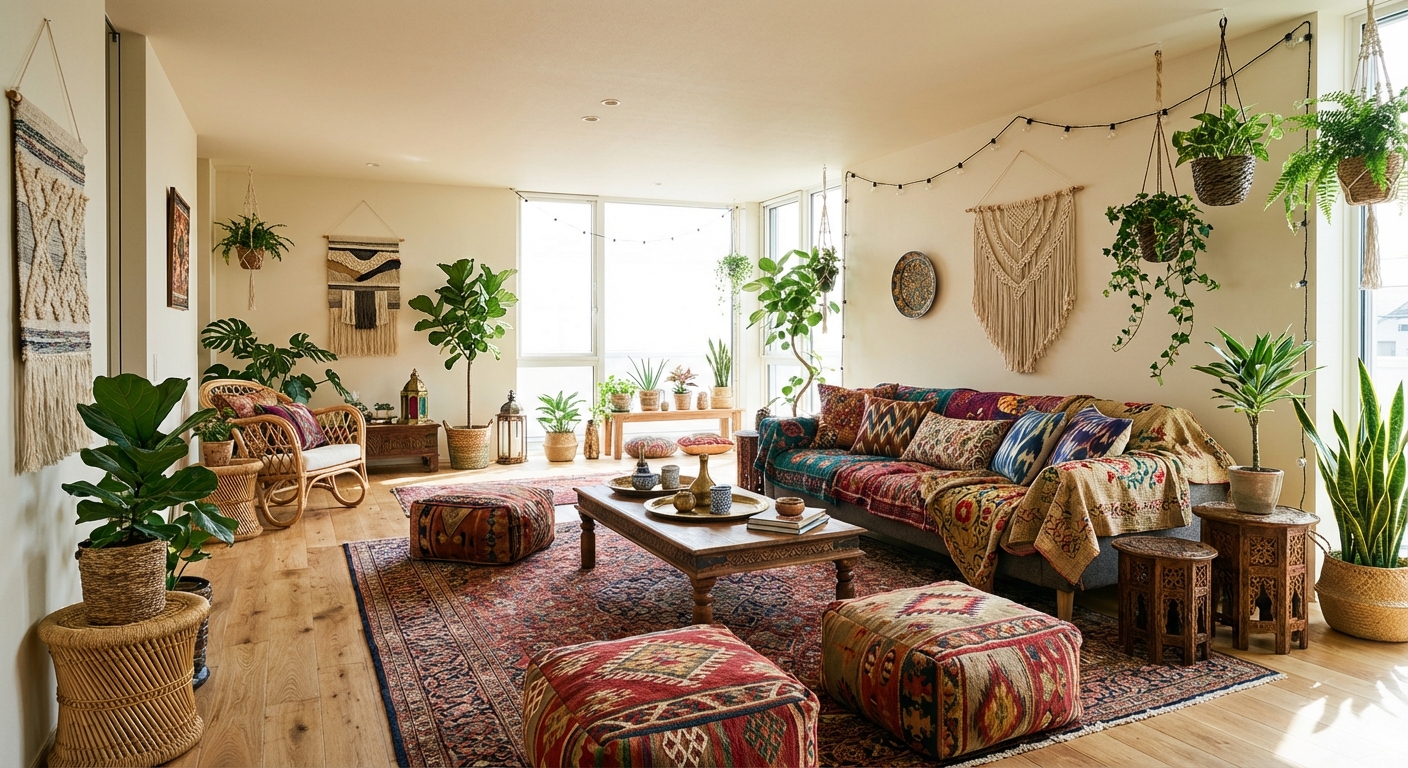
See the Transformation
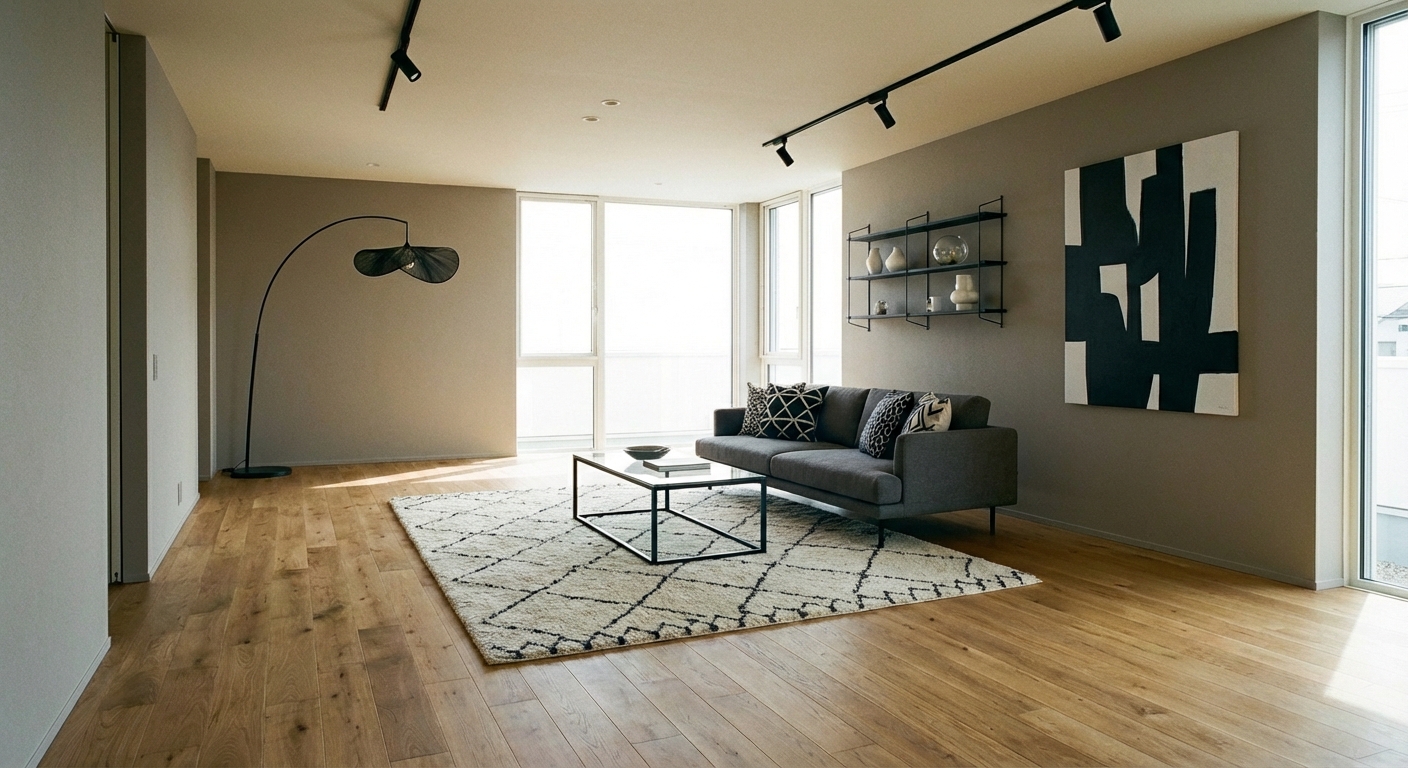
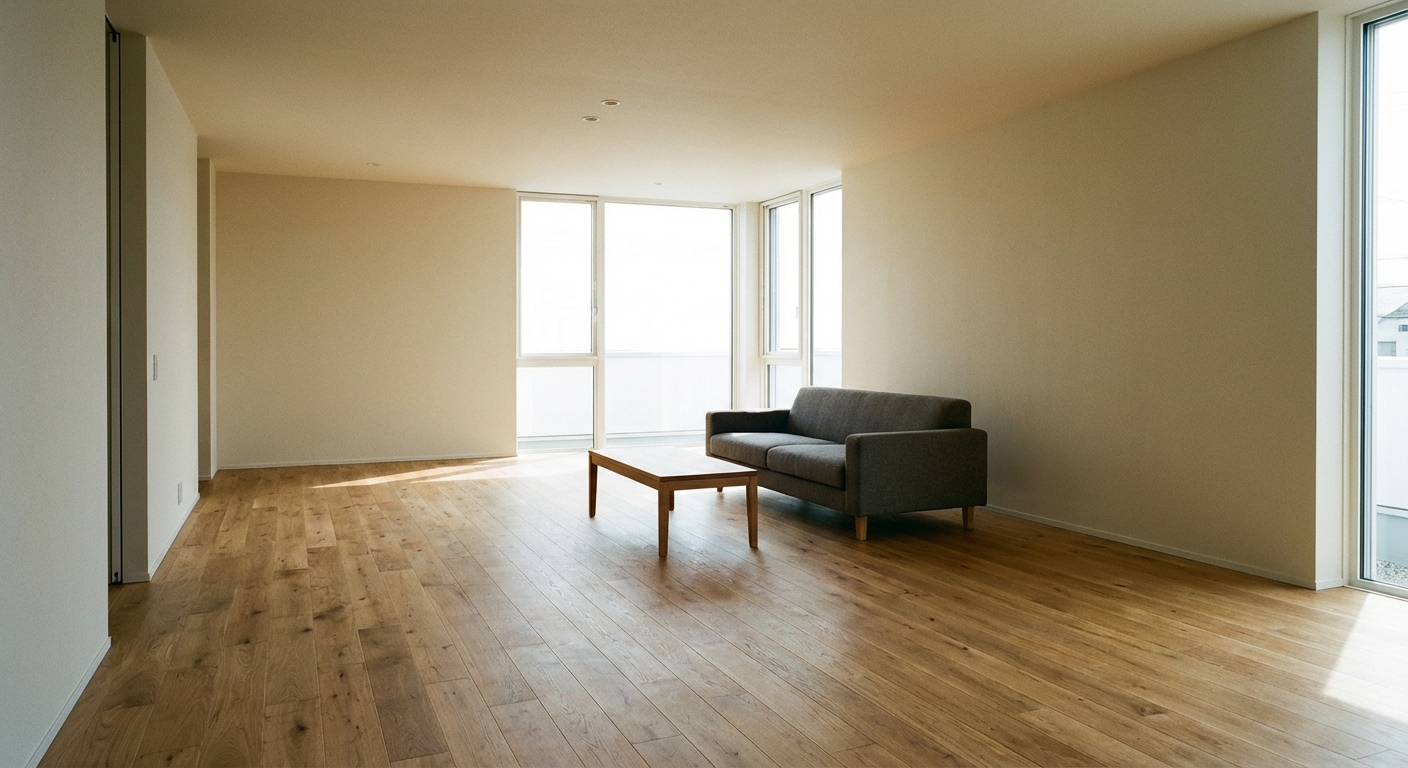
Upload your room photo in the app to see your real transformation
Color Palette
Click any color to copy hex code
Why It Works
Mixed-style rooms feel curated and personal because they avoid the catalog-page uniformity of single-style spaces. The key to successful mixing is finding a unifying thread — usually color palette, material, or scale — that ties different pieces together. A mid-century chair next to a farmhouse table works when they share a warm wood tone. An industrial shelf next to a bohemian sofa works when they share a dark metal accent color.
Best for
- people ready to test options on a real photo before buying
- anyone planning a real living room where conversation distance, TV glare, and traffic past the sofa matter more than Pinterest perfection
- projects already thinking about sofa and needing a coherent layout
Skip if
- you will not address conversation distance and only want a filter look
- you need the room finished tomorrow with zero test fits
Common mistakes
In a living room, “how” fails when you shopping object-by-object with no envelope decision. Details like sofa only work if the plan respects conversation distance, TV glare, and traffic past the sofa. Another miss: pushing every seat against the walls and calling the empty middle “open”.
Decide this first
fix the primary seating pair and one clear path before decorative chairs. Lock a coherent material story instead of random catalog picks as a short list, then use Intero on a real photo so scale and light are honest before you spend.
How to Achieve This Look
- 1
Choose a dominant style as your foundation
- 2
Select a secondary style for accent pieces only
- 3
Find a color thread that connects both styles
- 4
Balance proportions — keep the dominant style at about 80 percent
- 5
Mix through accessories and smaller pieces rather than major furniture
- 6
Step back and remove anything that feels disconnected
Layout & materials
Follow the 80/20 rule: choose one dominant style (80%) and accent with a secondary style (20%). Choose a cohesive color palette of three to four colors that span both styles. Repeat materials — if you have brass in one piece, echo it elsewhere. Keep scale consistent — avoid mixing very delicate pieces with very heavy ones. Use textiles and rugs as bridges between styles. Ensure each piece individually has merit; do not include anything just because it matches the other style.
Pick one dominant style at 80 percent and mix in a secondary at 20 percent — any more becomes chaotic.
Intero AI is perfect for testing style combinations. Upload your room and see how adding a mid-century chair to your farmhouse living room looks, or how industrial lighting works with your Scandinavian kitchen. Preview combinations before purchasing to ensure they harmonize.
Frequently Asked Questions
Q1 What design styles mix well together?
Modern and mid-century share clean lines. Farmhouse and industrial share raw materials. Scandinavian and Japandi share minimalism. Bohemian and Mediterranean share warmth and pattern. Generally, styles that share a key principle (minimalism, warmth, rawness) blend most naturally.
Q2 How many design styles can I mix in one room?
Stick to two, occasionally three. One dominant style and one accent style is the safest approach. More than two accent styles requires expert-level curation to avoid visual chaos.
Q3 What is the difference between eclectic and messy?
Intentionality. Eclectic rooms have a unifying color palette, consistent scale, and each piece is chosen deliberately. Messy rooms have no common thread — pieces are included randomly without a visual connection.
Related searches
These are the next pages people usually open while narrowing this design direction.
Ready to See This Style in Your Room?
Download Intero and preview this design on your own room photo.
No credit card. No signup. Just results.
Scan to download
Point your phone camera at a code

