Home Theater Conversion — Build the Cinema You Never Have to Leave
A dedicated home theater turns movie night from squinting at a TV into a genuine cinematic experience. This guide covers acoustics, screen options, seating, and the all-important lighting.
What is Home Theater Conversion: Room to Cinema?
A dedicated home theater turns movie night from squinting at a TV into a genuine cinematic experience. This guide covers acoustics, screen options, seating, and the all-important lighting.
See the Transformation
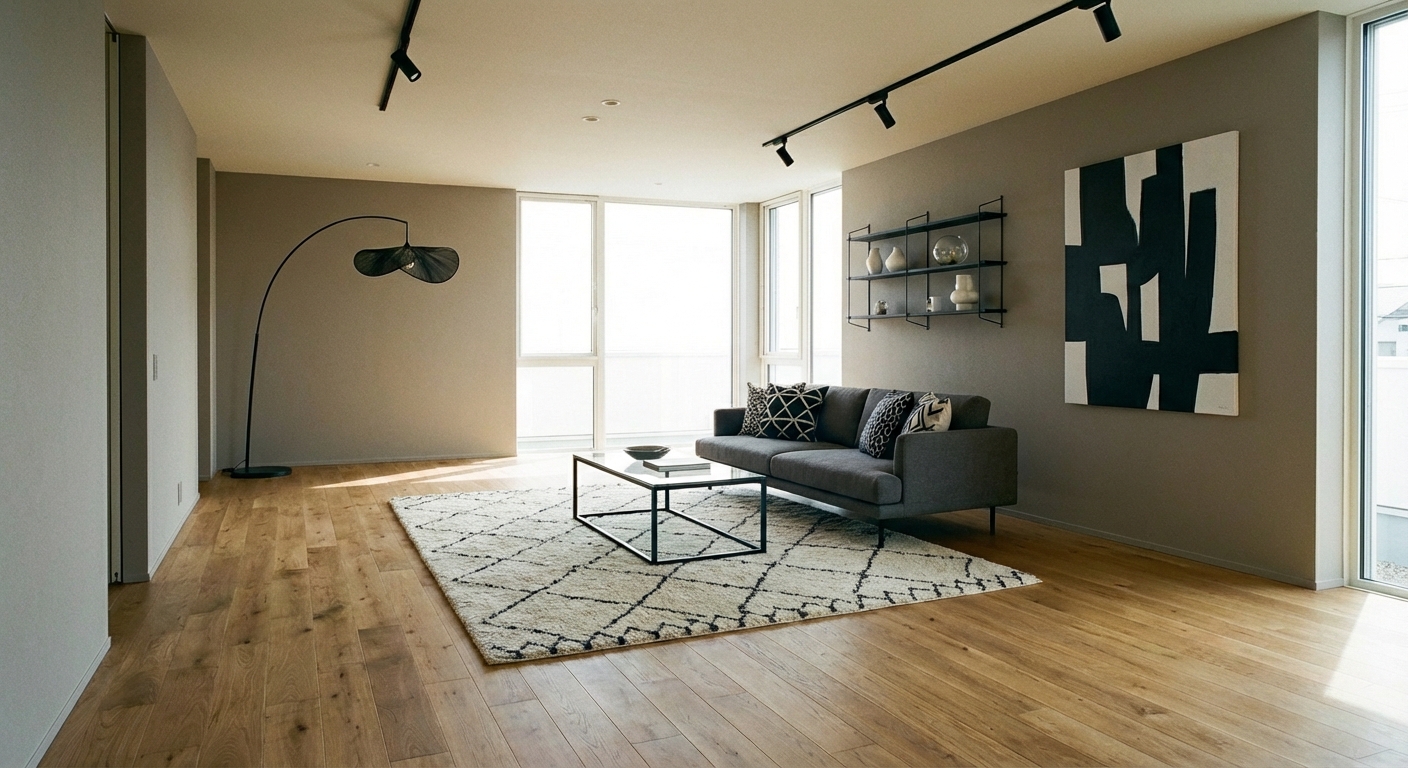
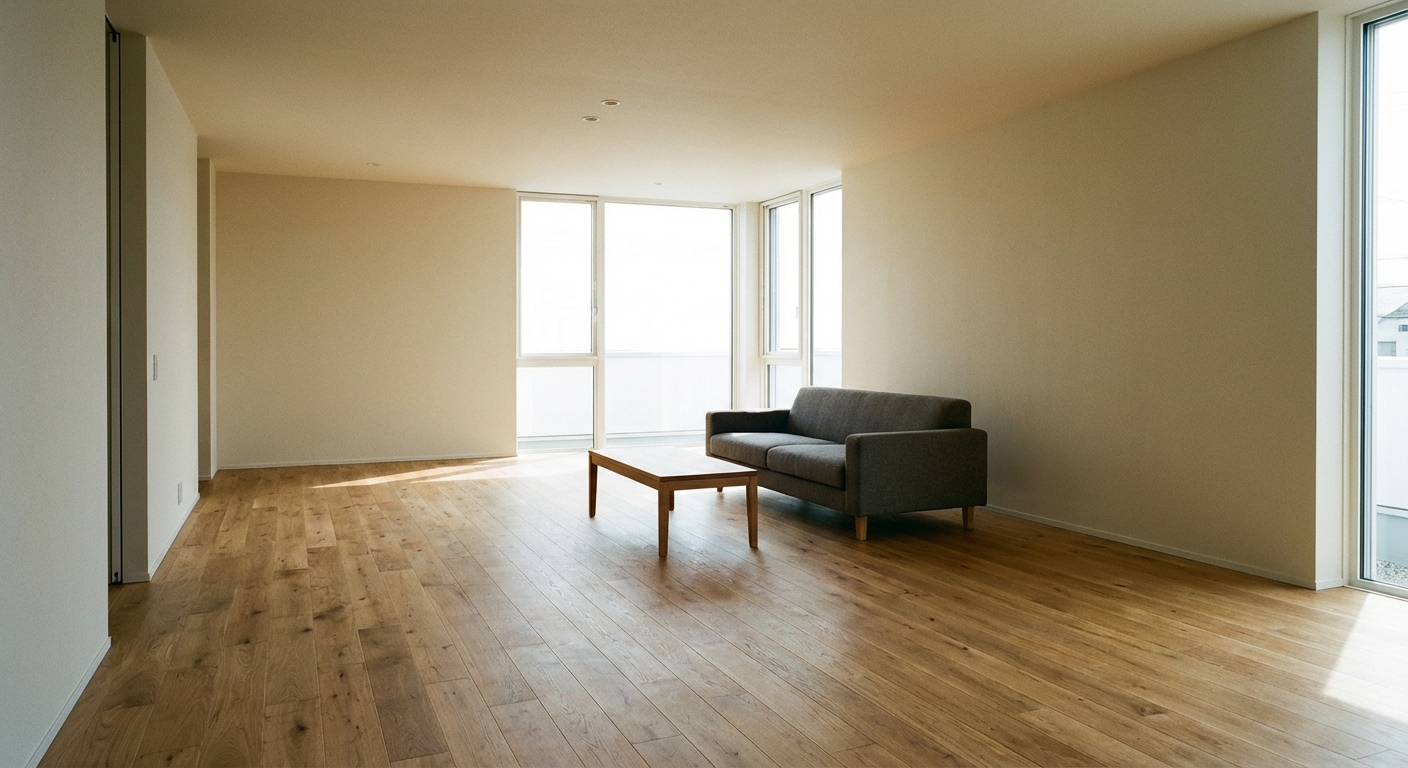
Upload your room photo in the app to see your real transformation
Why It Works
Home theater conversions deliver the largest entertainment-per-dollar ROI of any home improvement. A properly designed theater room with a projector and quality sound system provides an experience that rivals commercial cinemas at a fraction of the lifetime cost — no tickets, no concession markups, no leaving the house. The conversion works because it addresses the three pillars of cinema: visual (large screen in a light-controlled environment), audio (proper speaker placement and acoustic treatment), and comfort (dedicated seating optimized for viewing). When all three are designed together rather than cobbled from living room equipment, the result is transformative.
Best for
- people ready to test options on a real photo before buying
- anyone planning a real living room where conversation distance, TV glare, and traffic past the sofa matter more than Pinterest perfection
- projects already thinking about curtains, paint, rug and needing a coherent layout
Skip if
- you will not address conversation distance and only want a filter look
- you refuse to remove anything and only add decor
Common mistakes
In a living room, “home” fails when you shopping object-by-object with no envelope decision. Details like curtains, paint, rug only work if the plan respects conversation distance, TV glare, and traffic past the sofa. Another miss: pushing every seat against the walls and calling the empty middle “open”.
Decide this first
fix the primary seating pair and one clear path before decorative chairs. Lock a coherent material story instead of random catalog picks as a short list, then use Intero on a real photo so scale and light are honest before you spend.
How to Achieve This Look
Light control is paramount: install blackout curtains or shutters on every window, and use dark paint (deep gray, navy, or charcoal) on walls to absorb reflected projector light. A 100-120 inch projector screen with a 4K laser projector provides a true cinema scale ($1,500-5,000 for the set). For audio, a 5.1 or 7.1 surround system with speakers positioned per Dolby recommendations creates immersive sound. Acoustic treatment — panels on the side walls at first reflection points, a thick rug on the floor, and heavy curtains — tames echo and sharpens dialog clarity. Seating should be tiered if possible: a sofa in the front row and elevated recliners in the back. Install dimmable LED strip lights along the floor and behind the screen for ambient light that does not affect the picture.
Intero AI helps you plan the theater conversion by previewing screen placement, seating arrangements, and wall treatments in your specific room. See how dark walls, acoustic panels, and proper lighting create a cinema atmosphere before painting a single wall.
Frequently Asked Questions
Q1 How much does a home theater conversion cost?
A basic setup (projector, screen, 5.1 speaker system, dark paint) runs $3,000-$7,000. A mid-range theater with acoustic treatment, tiered seating, and quality equipment costs $10,000-$25,000. A high-end custom theater with a 4K laser projector, Atmos audio, and reclining theater seats starts at $30,000.
Q2 Projector or large TV for a home theater?
A projector provides 100-150 inch images for true cinema scale. A 75-85 inch TV is brighter and better for rooms that cannot be fully darkened. For a dedicated, light-controlled theater room, a projector is the clear winner for immersive experience.
Q3 What room works best for a home theater?
Basements are ideal — they are naturally dark, sound-isolated, and often have the spare square footage. Interior rooms without windows are the next best option. Any room that can be fully darkened and sound-isolated works, but the fewer windows you have to block, the easier the conversion.
Related searches
These are the next pages people usually open while narrowing this design direction.
You Might Also Like
Ready to See This Style in Your Room?
Download Intero and preview this design on your own room photo.
No credit card. No signup. Just results.
Scan to download
Point your phone camera at a code

