How to Design a Craft Room Where Creativity Flows and Chaos Stays Contained
A great craft room is not about more storage — it is about better workflow. When supplies are visible, accessible, and organized by use, creativity replaces frustration.
What is How to Design an Organized Craft Room?
A great craft room is not about more storage — it is about better workflow. When supplies are visible, accessible, and organized by use, creativity replaces frustration.
See the Transformation
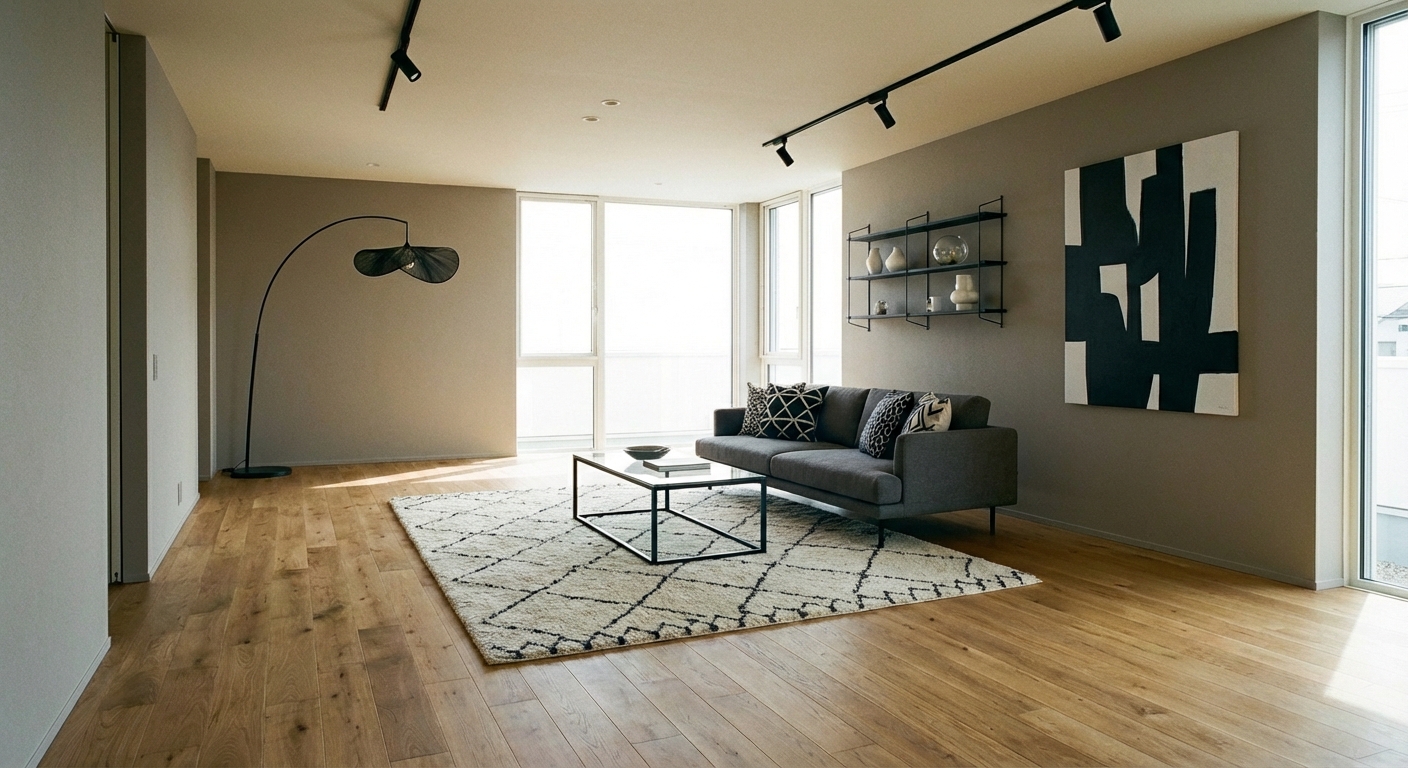
Upload your room photo in the app to see your real transformation
Why It Works
Dedicated craft rooms increase creative output because they eliminate the setup and teardown friction that kills momentum. When your sewing machine is always threaded, your paints are always accessible, and your work surface is always clear, the barrier between thinking about creating and actually creating drops to zero. The design works by prioritizing workflow over storage: the room is organized around how you create (cutting, assembling, finishing, drying) rather than how you store (bins, boxes, closets). This workflow-first approach means supplies live where they are used, tools hang within arm reach of the workstation, and works-in-progress have a dedicated space that does not require cleanup between sessions.
How to Achieve This Look
Position a large, sturdy work table at the center of the room — counter height (36 inches) for cutting and standing work, or desk height (30 inches) for seated work. Install open shelving on all available walls with clear bins sorted by material type and labeled. Mount a pegboard above the primary workspace for tools and scissors. Add a design wall — a large flannel board, magnetic surface, or corkboard for pinning patterns, inspirations, and in-progress work. Ensure task lighting is bright and color-accurate: full-spectrum LED panels (CRI 90+, 5000K) over the work surface. Include a rolling cart for the current project so materials can move between stations. Add a comfortable, adjustable chair for detailed seated work. Keep a clear zone for drying, pressing, or photographing completed work.
Intero AI helps you design the craft room around your specific creative discipline — whether sewing, painting, scrapbooking, or mixed media. Upload your room and preview different workstation layouts, shelving configurations, and lighting setups.
"Finally an app that understands my taste. Every room turned out perfect."
— Priya K.
Frequently Asked Questions
Q1 What is the minimum size for a functional craft room?
An 8x10-foot room works for a single-discipline craft room with a focused layout. A 10x12-foot room allows for multiple zones and a larger work surface. Even a large closet converted with a fold-down work surface and wall-mounted storage can function as a craft nook.
Q2 How do I organize supplies I use across multiple crafts?
Zone by material type rather than project. Adhesives together, cutting tools together, fabrics together, paints together. This way, any project can pull from the organized supply zones rather than hunting through project-specific boxes. Keep a rolling cart for the active project materials.
Q3 What lighting is best for crafting?
Full-spectrum LED panels or tubes (5000K, CRI 90+) provide the most accurate color representation, which is essential for fabric selection, paint matching, and detail work. Add a swing-arm task lamp for close-up work. Avoid warm ambient lighting as the primary source — it distorts colors.
Related searches
These are the next pages people usually open while narrowing this design direction.
You Might Also Like
Ready to Transform Your Room?
Download Intero and see this design in your space in seconds.
No credit card. No signup. Just results.