How to Design a Home Spa — Because Self-Care Deserves Its Own Room
A home spa is not a luxury — it is a wellness investment. Infrared saunas, steam showers, and dedicated relaxation spaces are transforming how homeowners approach daily recovery.
What is How to Design a Home Spa or Wellness Room?
A home spa is not a luxury — it is a wellness investment. Infrared saunas, steam showers, and dedicated relaxation spaces are transforming how homeowners approach daily recovery.
See the Transformation
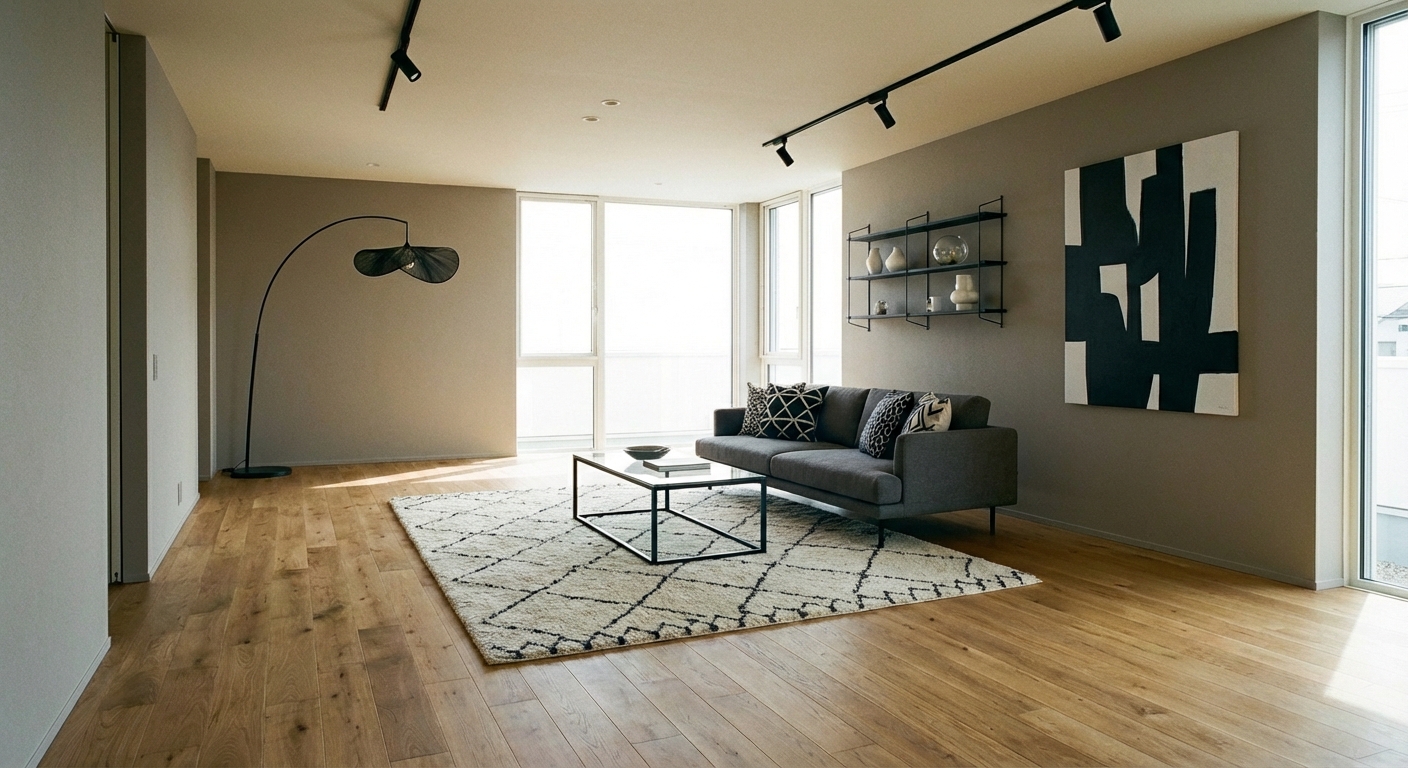
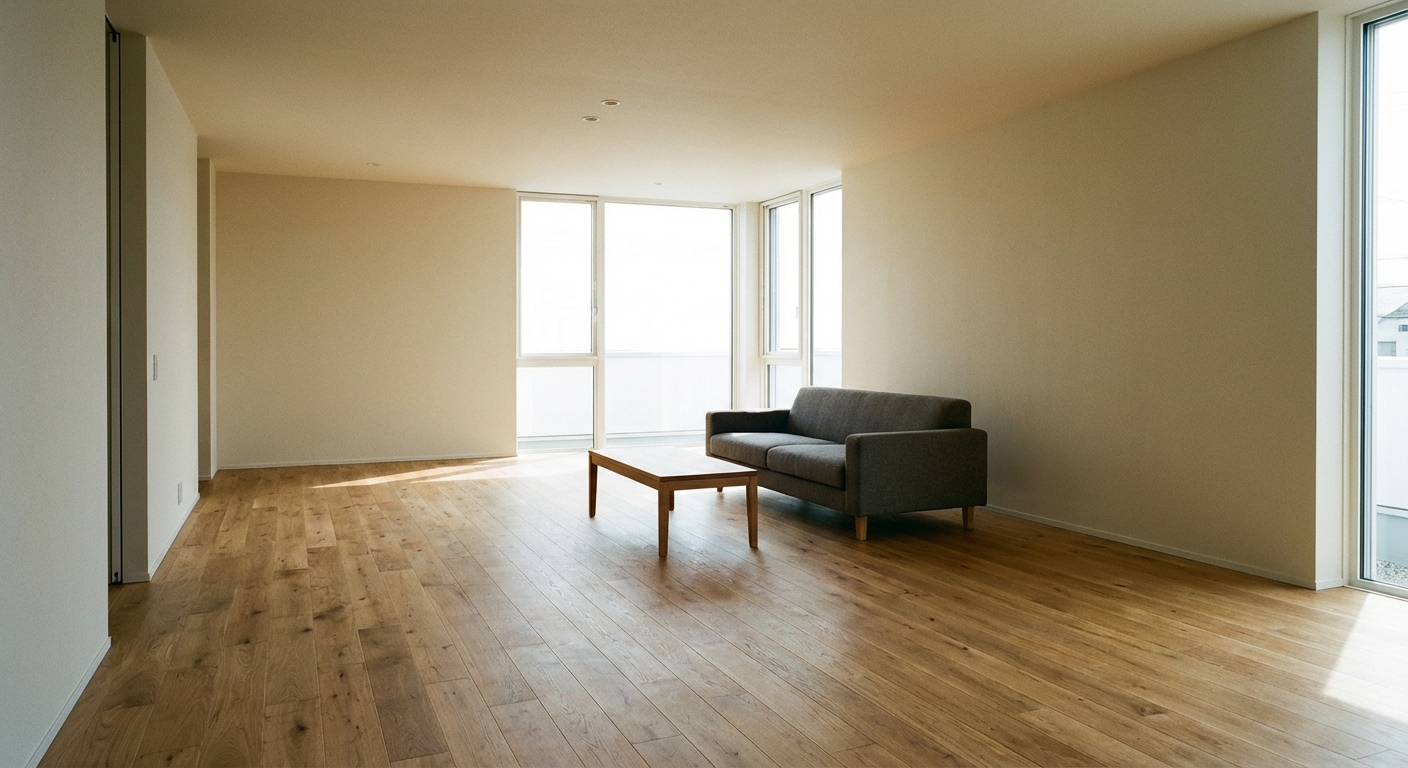
Upload your room photo in the app to see your real transformation
Why It Works
The home spa trend has accelerated because the cost of a personal wellness room has decreased while the value of convenience has increased. A personal infrared sauna ($1,500-5,000) pays for itself in a year versus commercial spa visits. A steam shower upgrade ($2,000-5,000) turns a daily shower into a wellness ritual. The design works by creating a space dedicated to recovery — not a bathroom that happens to have nice tile, but a room intentionally designed around sensory comfort: warmth, dim lighting, natural materials, calming scents, and the absence of technology. When the space is purpose-built for relaxation, the mind transitions into wellness mode the moment you enter.
How to Achieve This Look
Choose your wellness anchor: an infrared sauna (prefab units fit in a spare closet or bathroom corner), a steam shower (a sealed shower enclosure with a steam generator), or a soaking tub (freestanding, deeper than standard tubs). Design the room around it with spa materials: natural stone or wood on walls and floor, warm LED lighting on dimmers, and ventilation adequate for heat and moisture. Add a cooling zone: a bench or chair outside the sauna/steam area with cold water access. Include a sound system for ambient music or nature sounds. Use natural scents — eucalyptus bundles in the shower, essential oil diffuser in the cooling zone. Provide plush robes, towels, and slippers. The room should feel like checking into a wellness retreat every single day.
Home spa design involves materials, lighting, and spatial flow that are hard to envision from a floor plan. Intero AI lets you preview sauna placements, stone and wood treatments, and lighting configurations in your space to design a wellness room that feels genuinely restorative.
"I redesigned my entire apartment before buying a single piece of furniture."
— Sarah M.
Frequently Asked Questions
Q1 What is the easiest home spa upgrade?
A steam shower conversion. A steam generator ($500-2,000) added to an existing sealed shower enclosure transforms your daily shower into a spa experience. Add a eucalyptus bundle to the showerhead and dim the lights. Total cost: $1,000-3,000 installed.
Q2 Do I need a separate room for a home spa?
No — a bathroom upgrade can create a spa experience. A steam shower, soaking tub, dimmable lighting, and natural materials in an existing bathroom deliver 80% of the wellness benefit. A separate room adds the luxury of a dedicated cooling zone and relaxation area.
Q3 What materials are best for a home spa?
Natural stone (slate, marble, travertine) for walls and floors, teak or cedar for benches and accents, and glass for shower enclosures. Avoid materials that show water marks easily. All surfaces should be sealed against moisture. The material palette should feel natural and warm — no cold tiles or industrial finishes.
Related searches
These are the next pages people usually open while narrowing this design direction.
You Might Also Like
Ready to Transform Your Room?
Download Intero and see this design in your space in seconds.
No credit card. No signup. Just results.