Indigo & Brass — Deep Blue Meets Warm Metal
Rooted in craft traditions from Japanese shibori to Moroccan tile, indigo and brass create interiors that feel artisanal, warm, and endlessly sophisticated.
What is Indigo & Brass Color Scheme for Interiors?
Rooted in craft traditions from Japanese shibori to Moroccan tile, indigo and brass create interiors that feel artisanal, warm, and endlessly sophisticated.
See the Transformation
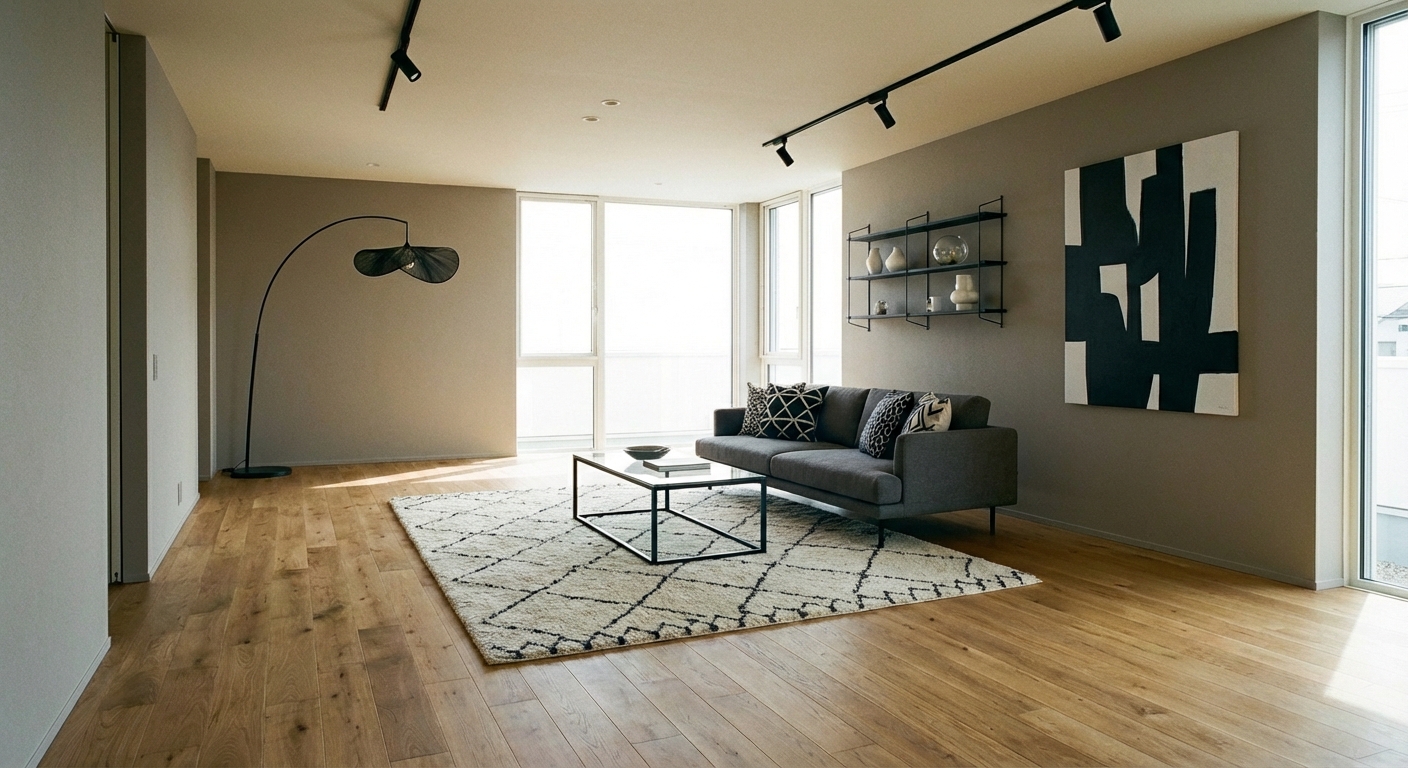
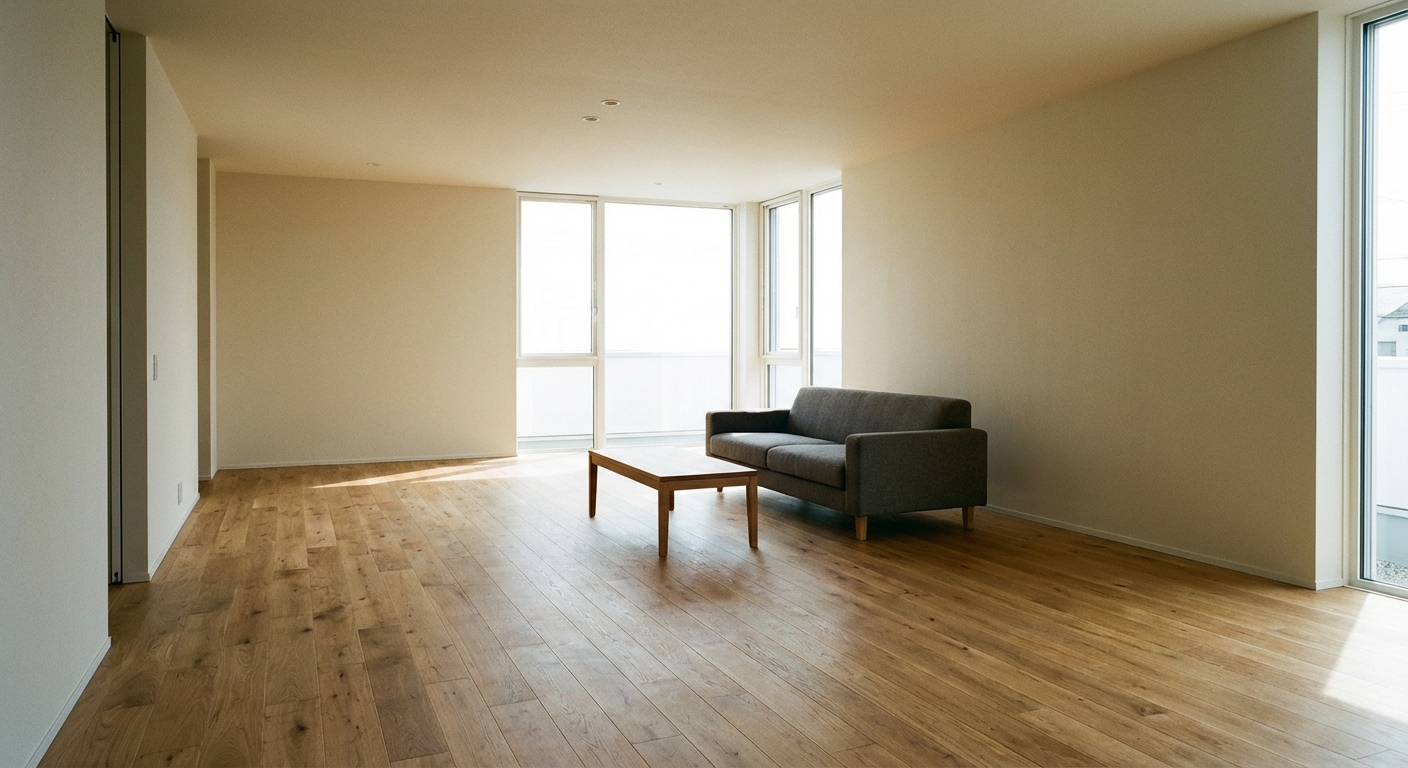
Upload your room photo in the app to see your real transformation
Why It Works
Indigo (#1B0A5E to #284B63 range depending on warm or cool) is the deepest expression of blue — a color with global cultural significance. Japanese shibori and aizome dyeing, Moroccan zellige tile, West African adire cloth, and Indian block printing all use indigo as a foundational color. This cross-cultural heritage gives indigo a worldly sophistication that other dark blues lack. Brass adds the warm metallic counterpoint that prevents indigo from feeling cold or austere. The combination works because the warm gold tones of brass activate the latent warmth in indigo (which has purple and sometimes red undertones), creating a palette that feels rich and dimensional. Together they evoke the interiors of well-traveled collectors — antique shops in Marrakech, textile galleries in Kyoto.
How to Achieve This Look
Use indigo as a deep backdrop — walls, large upholstered pieces, or drapery in the deepest blue you can find. Brass enters through lighting (pendant fixtures, table lamps), hardware (knobs, pulls, towel bars), and accessories (trays, frames, decorative objects). The supporting palette should be warm and natural: cream, linen, camel, and natural wood tones. Indigo textiles with visible craft — shibori, block print, or ikat patterns — add authenticity and global character. Mix indigo depths: pair a solid indigo wall with lighter indigo patterned cushions and a medium indigo rug for tonal variation. White or cream provides essential contrast and breathing room.
Indigo walls can appear nearly black in low light or surprisingly vibrant in bright rooms. Intero AI shows you how indigo reads in your specific space with your lighting conditions, so you can choose the right depth and proportion before committing.
"Saved thousands on interior design fees. The AI suggestions were spot-on."
— James R.
Frequently Asked Questions
Q1 How is indigo different from navy?
Navy is a standard dark blue with gray or green undertones. Indigo is deeper with purple or red undertones, giving it more warmth and complexity. Navy reads as conservative and nautical; indigo reads as artisanal and globally inspired. In a room, indigo feels warmer and more dynamic.
Q2 Will indigo walls make my room too dark?
In well-lit rooms, indigo creates a dramatic but inviting atmosphere. In dim rooms, balance with generous cream or white elements and layer brass-accented lighting at multiple heights. Consider indigo on one or two walls rather than all four if light is limited.
Q3 Which rooms suit indigo and brass best?
Bedrooms (deeply restful), dining rooms (intimate and dramatic), libraries (focused and rich), and bathrooms (unexpected luxury). Living rooms work with a balanced approach — indigo furniture against lighter walls with brass fixtures. Kitchens suit indigo best on cabinetry or a backsplash.
Related searches
These are the next pages people usually open while narrowing this design direction.
You Might Also Like
Ready to Transform Your Room?
Download Intero and see this design in your space in seconds.
No credit card. No signup. Just results.