Grandma's Dresser Meets Your Modern Sofa — Make It Work
You inherited pieces you love (or cannot afford to replace). The good news: mixing eras is not a compromise — when done right, it is the most interesting design approach.
What is How to Blend Furniture From Different Eras?
You inherited pieces you love (or cannot afford to replace). The good news: mixing eras is not a compromise — when done right, it is the most interesting design approach.
See the Transformation
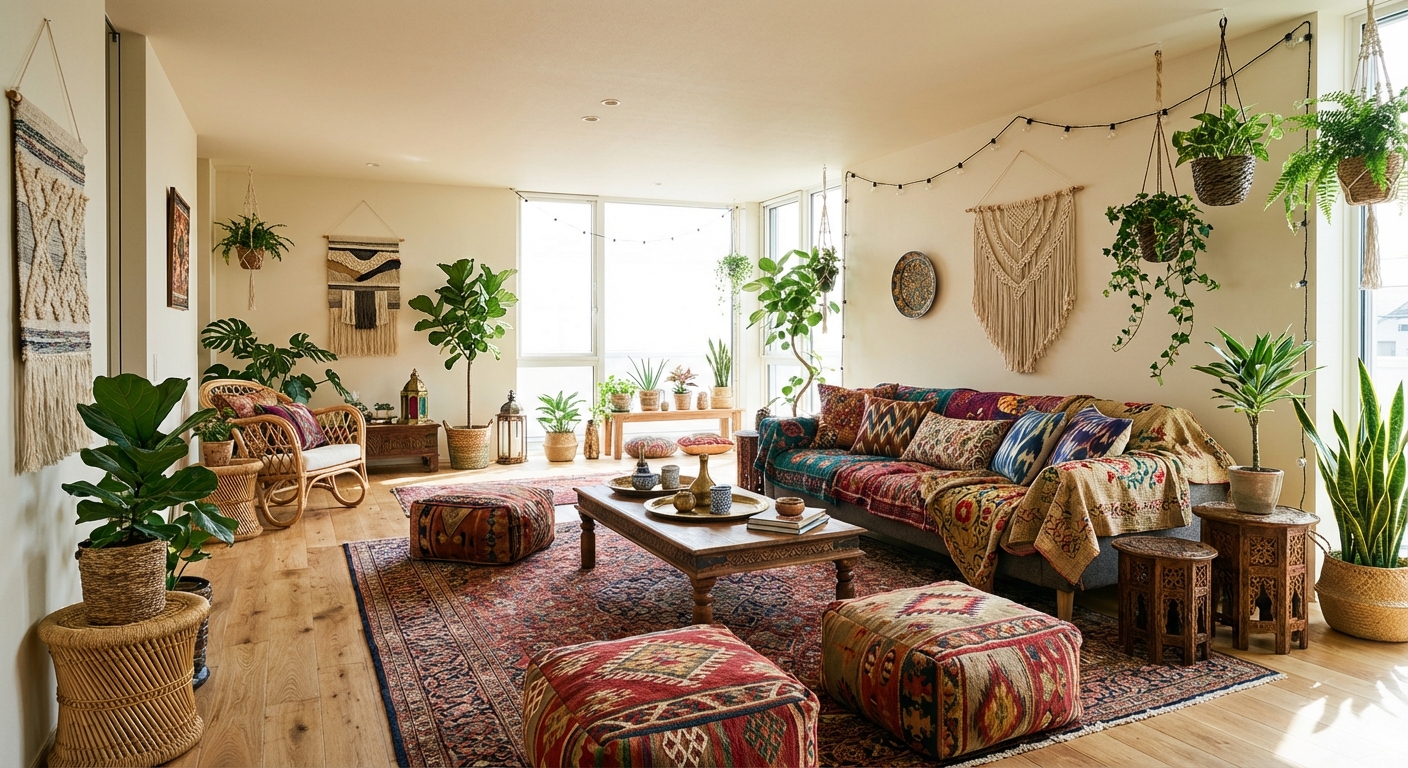
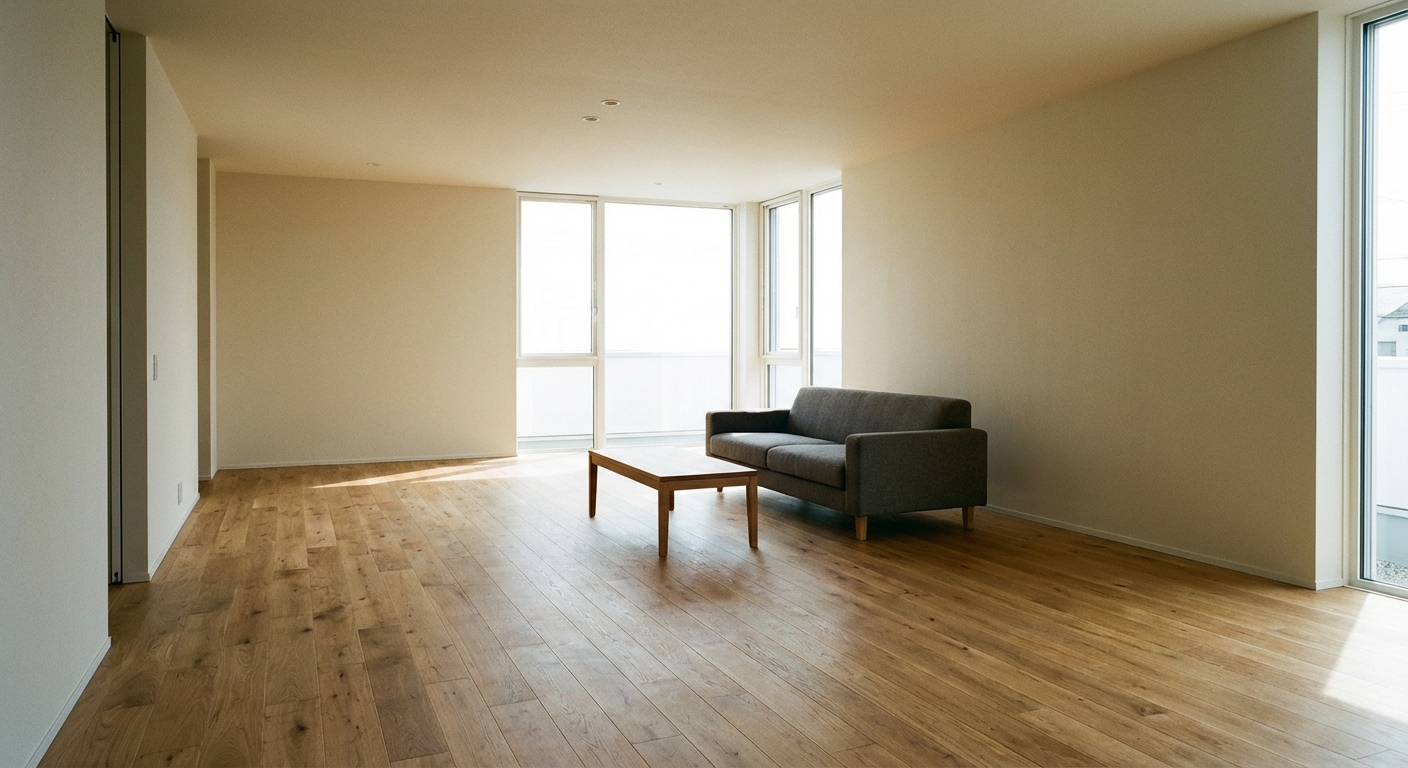
Upload your room photo in the app to see your real transformation
Why It Works
Rooms furnished entirely in one era — all mid-century, all traditional, all contemporary — look like showrooms or catalog pages. They lack the lived-in warmth that comes from a room accumulated over time. Mixing eras creates visual tension that the brain reads as character and personality. A Victorian side table next to a modern sofa creates a story — someone with taste chose both. The key is finding the visual thread that connects pieces across decades: a shared material (wood tones), a repeated color, or a consistent scale. Without that thread, mixing eras feels random. With it, it feels curated.
Best for
- people ready to test options on a real photo before buying
- anyone planning a real living room where conversation distance, TV glare, and traffic past the sofa matter more than Pinterest perfection
- projects already thinking about sofa, walnut and needing a coherent layout
Skip if
- you will not address conversation distance and only want a filter look
- you need the room finished tomorrow with zero test fits
Common mistakes
In a living room, “how” fails when you shopping object-by-object with no envelope decision. Details like sofa, walnut only work if the plan respects conversation distance, TV glare, and traffic past the sofa. Another miss: pushing every seat against the walls and calling the empty middle “open”.
Decide this first
fix the primary seating pair and one clear path before decorative chairs. Lock a coherent material story instead of random catalog picks as a short list, then use Intero on a real photo so scale and light are honest before you spend.
How to Achieve This Look
Start by identifying your anchor piece — the largest or most visually dominant item, often the one you cannot change (an inherited dining table, a large antique armoire). Let its material and scale guide your choices for complementary pieces. Unify through color: painting a vintage dresser to match your modern nightstand creates instant cohesion. Unify through material: if your modern sofa has walnut legs, seek vintage pieces in similar warm wood tones. Unify through hardware: replacing knobs on inherited pieces with hardware matching your modern fixtures creates a subtle connection. Use neutral rugs and coordinated textiles to bridge the stylistic gap. The 70/30 rule works well: 70% of the room in your primary era, 30% from the contrasting era.
Intero AI helps you visualize how furniture from different eras works together before committing to arrangements or updates. Upload your room and preview how repainting, repositioning, and accessorizing create cohesion between inherited antiques and contemporary purchases.
Frequently Asked Questions
Q1 What eras mix together most naturally?
Mid-century modern pairs beautifully with contemporary because both favor clean lines. Art deco and Hollywood regency share glamorous DNA. Rustic and industrial both celebrate raw materials. Traditional and transitional bridge through shared proportions. The hardest mix is ornate (Victorian, baroque) with strict minimalism — but even that works with careful proportion management.
Q2 Should I refinish inherited furniture to match my style?
It depends on the piece. Mass-produced vintage furniture benefits from a fresh coat of paint or updated hardware. Genuine antiques with original patina often look better preserved — the aging is their character. The middle ground is updating hardware and leaving the finish, which modernizes without erasing history.
Q3 How many eras is too many in one room?
Two to three is the sweet spot. Four or more starts to feel like a thrift store unless every piece is connected by a very strong visual thread (identical color palette or matching scale). Keep the majority in one era and sprinkle accent pieces from one or two others.
Related searches
These are the next pages people usually open while narrowing this design direction.
You Might Also Like
Ready to See This Style in Your Room?
Download Intero and preview this design on your own room photo.
No credit card. No signup. Just results.
Scan to download
Point your phone camera at a code

