Organic Modern vs Minimalist — Warm Curves or Clean Lines?
Both strip away clutter, but organic modern replaces it with natural warmth and flowing shapes, while minimalist embraces the beauty of deliberate emptiness.
What is Organic Modern vs Minimalist: Curved Warmth vs Clean Reduction?
Both strip away clutter, but organic modern replaces it with natural warmth and flowing shapes, while minimalist embraces the beauty of deliberate emptiness.
See the Transformation
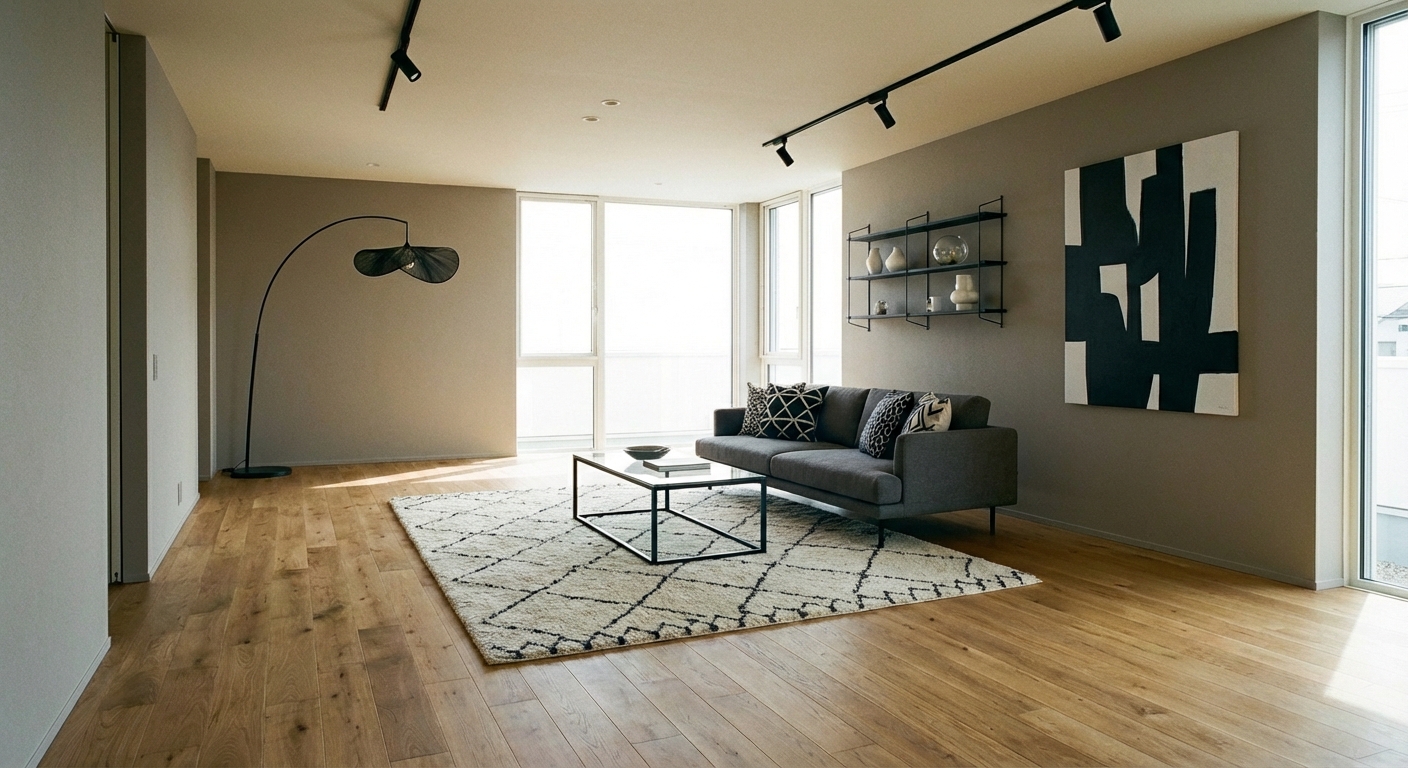
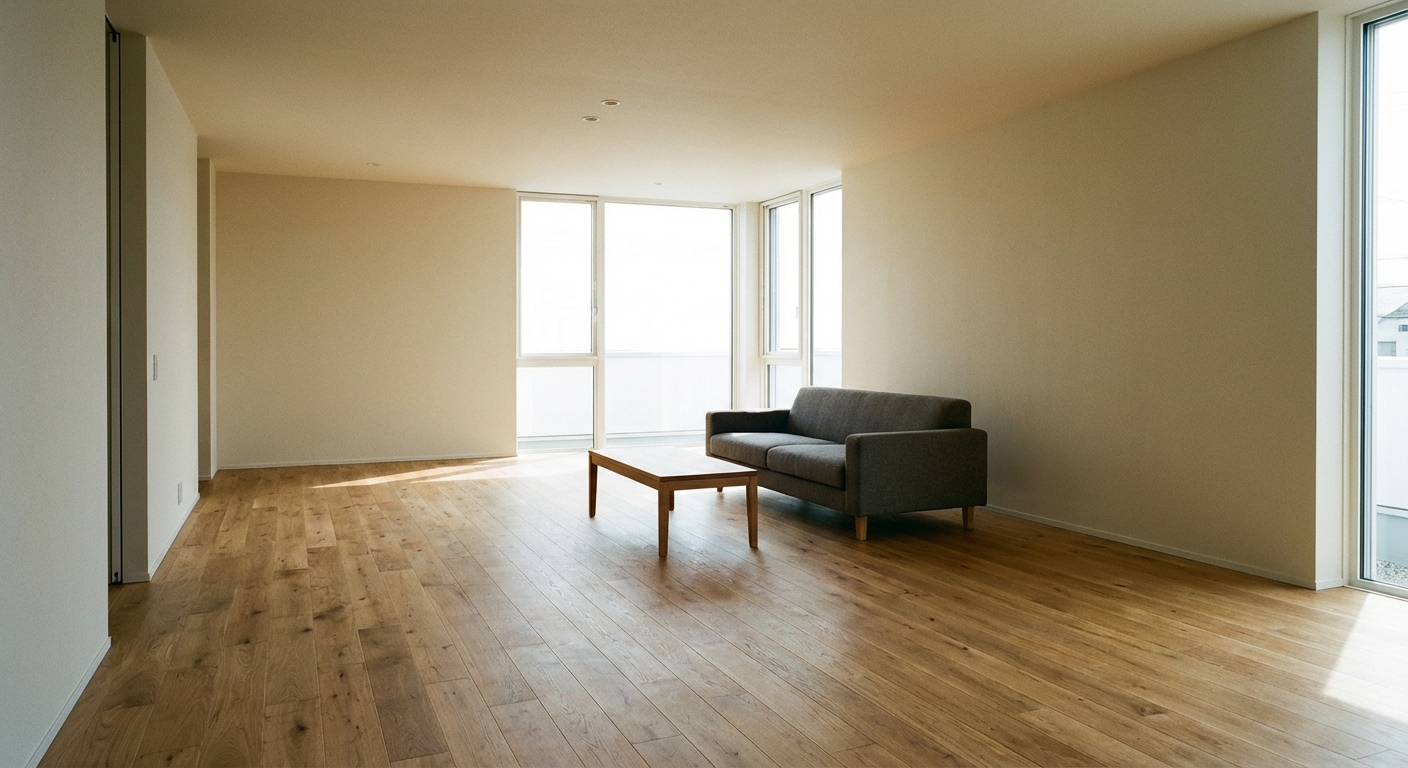
Upload your room photo in the app to see your real transformation
Why It Works
Minimalism achieves beauty through reduction — removing everything non-essential until only the perfect remains. The palette is restrained, the surfaces are clear, and the architecture speaks for itself. Organic modern achieves beauty through natural softness — curved furniture, natural materials, textural variety, and warm tones create rooms that feel alive and inviting. Both reject clutter and excess, but their emotional registers differ: minimalism is peaceful through emptiness; organic modern is peaceful through warmth. Organic modern was born partly as a response to minimalism fatigue — people wanted the edited clarity of minimalism without the emotional coldness. It keeps the discipline but adds the curves, textures, and warmth that make a room feel human.
Best for
- people who will edit objects, not only add them
- anyone planning a real living room where conversation distance, TV glare, and traffic past the sofa matter more than Pinterest perfection
- projects already thinking about sofa, linen and needing a coherent layout
Skip if
- you will not address conversation distance and only want a filter look
- you need the room finished tomorrow with zero test fits
Common mistakes
In a living room, “modern” fails when you keeping bulky traditional silhouettes and only changing throw pillows. Details like sofa, linen only work if the plan respects conversation distance, TV glare, and traffic past the sofa. Another miss: pushing every seat against the walls and calling the empty middle “open”.
Decide this first
fix the primary seating pair and one clear path before decorative chairs. Lock few finishes, low profiles, quiet hardware as a short list, then use Intero on a real photo so scale and light are honest before you spend.
How to Achieve This Look
For minimalist: choose furniture with clean, geometric lines. Use a restrained palette of white, gray, and one accent tone. Keep surfaces completely clear. Display art sparingly — one large piece per wall at most. Let architecture (windows, proportions, light) be the design. For organic modern: choose furniture with rounded, flowing forms — a curved sofa, a round coffee table, an arched floor lamp. Use natural materials: solid wood with visible grain, stone, wool, linen, and ceramic. The palette is warm neutral: cream, sand, warm gray, terracotta, and sage. Layer textures through different materials rather than through accessories. The room should feel like a warm hug rather than a museum gallery.
Intero AI helps you visualize the subtle but important difference between minimalist precision and organic modern warmth in your room. Preview how curved versus angular furniture, warm versus cool palettes, and textured versus smooth surfaces change the room emotional temperature.
Frequently Asked Questions
Q1 Can I transition from minimalist to organic modern without replacing everything?
Yes — add warmth incrementally. Swap angular side tables for round ones, add a textured wool throw and linen cushions, place a large ceramic vase with dried branches, and introduce warm-toned wood where you can. The minimalist foundation (clear surfaces, edited possessions) translates directly to organic modern.
Q2 Which is more livable?
Organic modern. Its textural warmth and curved forms are inherently forgiving — a throw draped over a curved sofa looks intentional, while the same throw on a minimalist sofa looks like clutter. Organic modern accommodates the realities of daily life more gracefully than strict minimalism.
Q3 Which is trending in 2026?
Organic modern is the dominant trend. The combination of warm neutrals, curved furniture, and natural materials defines the most popular interior design aesthetic globally. Minimalism remains influential as a design discipline but has evolved toward the warmth of organic modern rather than the clinical purity of strict minimalism.
Related searches
These are the next pages people usually open while narrowing this design direction.
You Might Also Like
Design Guides You'll Love
Ready to See This Style in Your Room?
Download Intero and preview this design on your own room photo.
No credit card. No signup. Just results.
Scan to download
Point your phone camera at a code

