Split-Level Living — How to Make Disjointed Floors Feel Like One Home
Split-level homes break rooms across half-flights of stairs, creating choppy sightlines and disconnected zones. The right design turns this quirk into an asset.
What is Split-Level Room Design Ideas for Cohesive Spaces?
Split-level homes break rooms across half-flights of stairs, creating choppy sightlines and disconnected zones. The right design turns this quirk into an asset.
See the Transformation
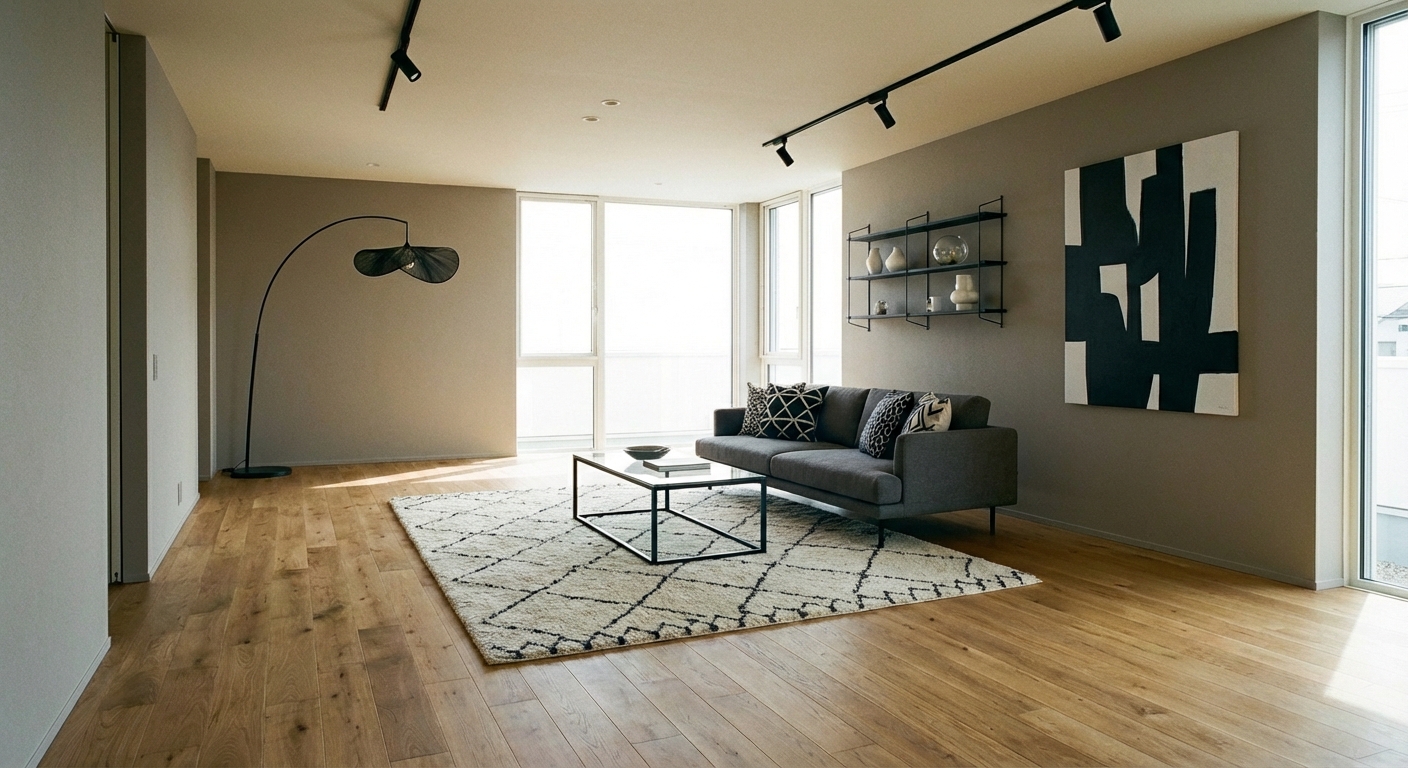
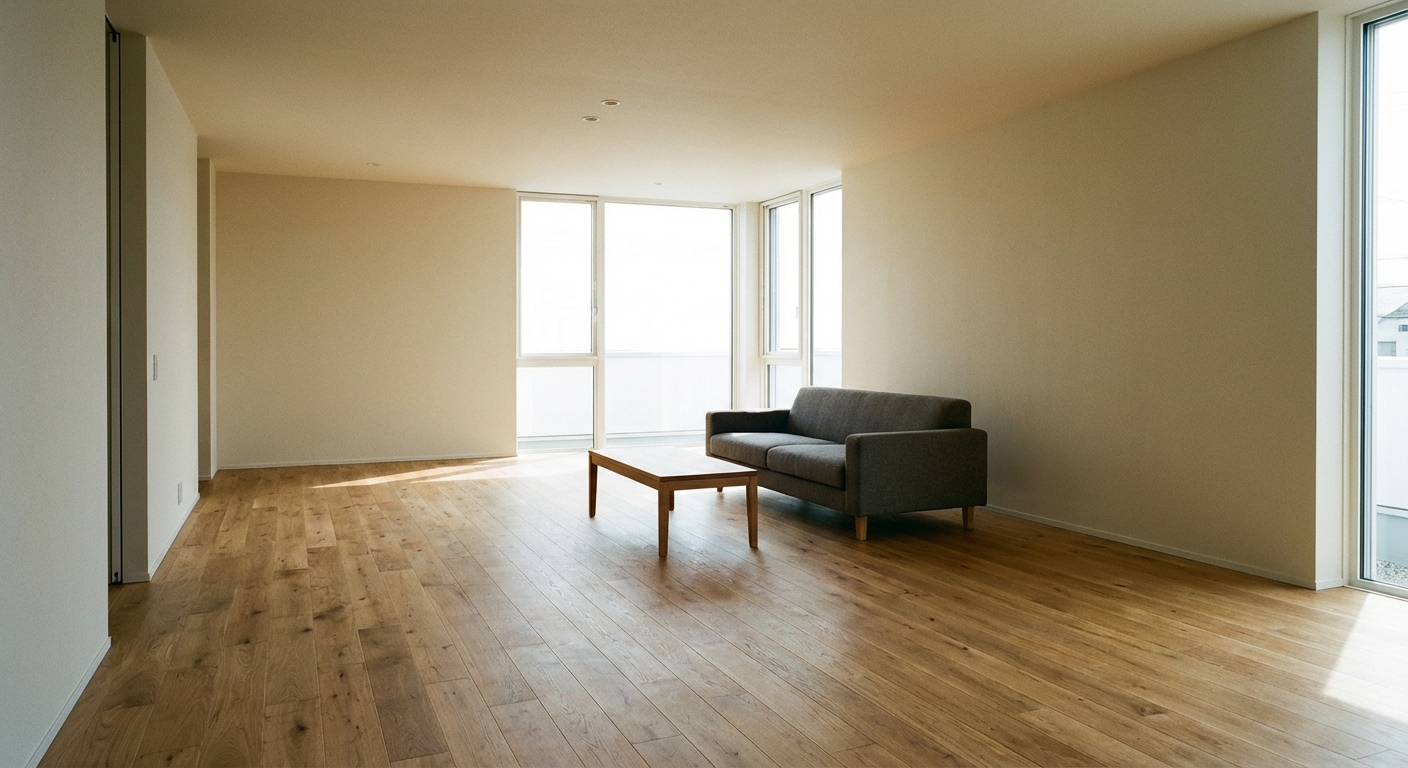
Upload your room photo in the app to see your real transformation
Why It Works
Split-level rooms feel disjointed because each level operates as a visual island — different flooring, different ceiling heights, and different lighting create the impression of separate, unfinished spaces rather than one flowing home. The solution is threading visual continuity across levels while using the natural separation to define functional zones. A unified color palette, continuous flooring material, and consistent lighting temperature tie the levels together. Meanwhile, each level can serve a distinct purpose — lounge below, dining above — without needing physical dividers.
How to Achieve This Look
Use the same flooring material across all levels to create visual continuity — if budget limits full replacement, match the undertone closely. Paint all levels the same wall color or closely related shades from the same paint strip. Install consistent lighting fixtures in the same finish throughout. Use the stair railing as a design feature: update it with a modern material like cable rail or painted wood. Treat each level as a functional zone — the lower level for lounging and media, the upper for dining and socializing — and furnish each with its purpose in mind. Place a tall plant or floor lamp at the transition point to smooth the visual step between levels.
Split-level design is hard to plan because changes on one level affect the visual balance of the entire home. Intero AI lets you test unified color palettes, flooring options, and furniture arrangements across your split-level space before committing to any renovation.
"Saved thousands on interior design fees. The AI suggestions were spot-on."
— James R.
Frequently Asked Questions
Q1 How do I make a split-level home feel open?
Remove or replace heavy stair railings with open designs like cable rail or glass. Use the same paint color and flooring across all levels. Position furniture so sightlines travel through the space rather than hitting visual barriers at every level change.
Q2 Should each level of a split-level have a different style?
No — use one cohesive style throughout and let each level differentiate by function, not by aesthetic. A unified design language prevents the choppy feeling that split-levels are prone to.
Q3 What is the best flooring for split-level homes?
A single continuous flooring material across all levels is ideal. Luxury vinyl plank or engineered hardwood are practical choices because they handle the varying subfloor conditions common in split-level construction while maintaining a consistent look throughout.
Related searches
These are the next pages people usually open while narrowing this design direction.
Ready to Transform Your Room?
Download Intero and see this design in your space in seconds.
No credit card. No signup. Just results.