Too Much Furniture? Edit Your Room Down to What Matters
Most rooms have too much in them, not too little. Removing the right pieces can transform a cramped, cluttered room into one that breathes — and you will not miss a thing.
What is Decluttering & Furniture Editing: When Less Is More?
Most rooms have too much in them, not too little. Removing the right pieces can transform a cramped, cluttered room into one that breathes — and you will not miss a thing.
1/4
See the Transformation
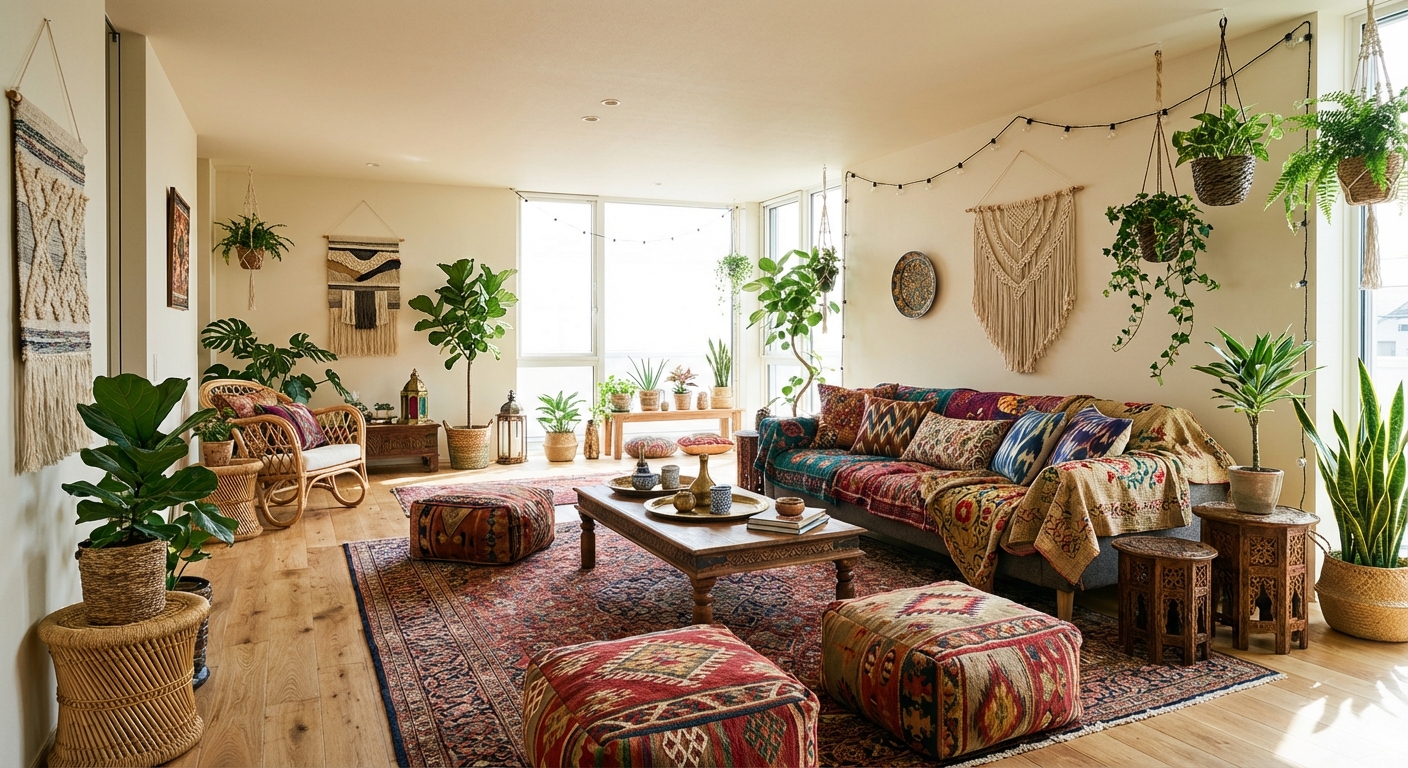
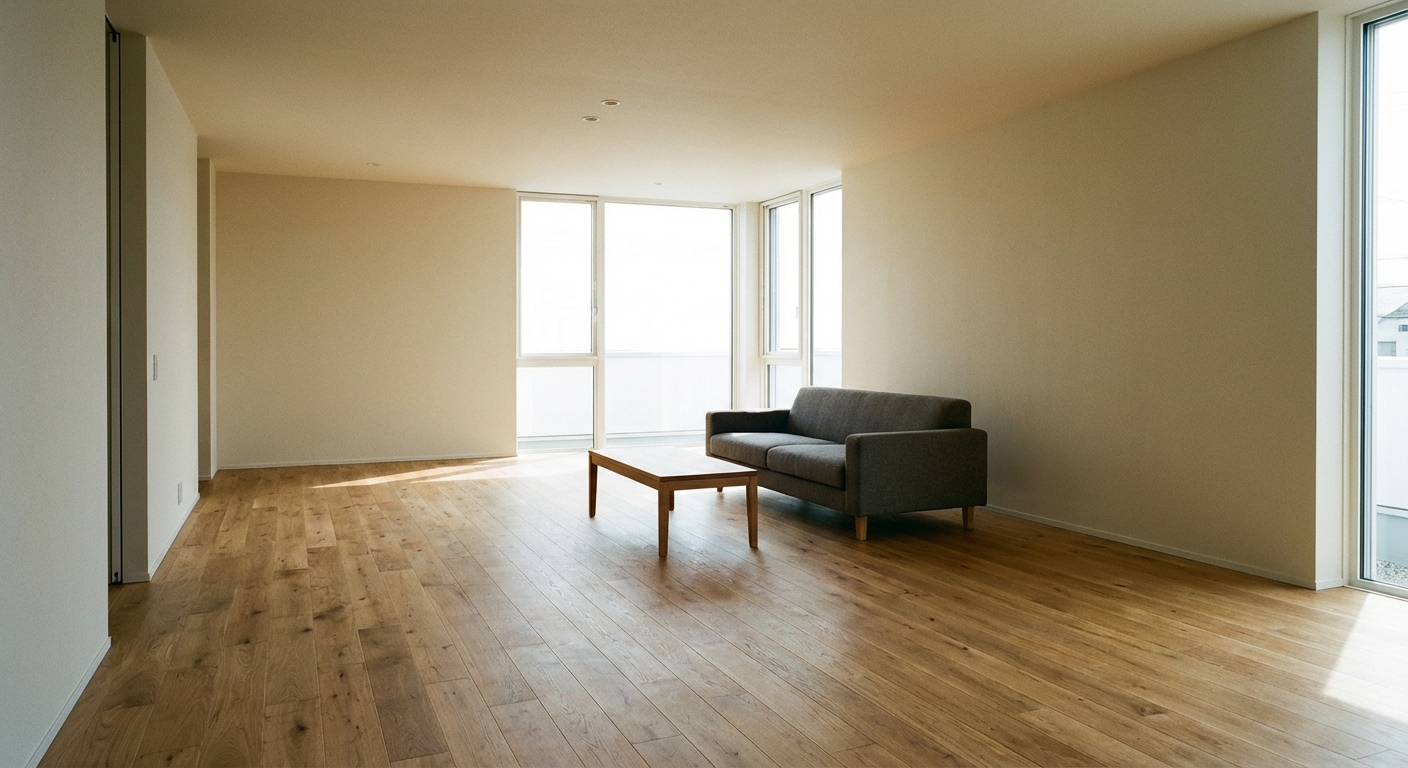
Upload your room photo in the app to see your real transformation
Color Palette
Click any color to copy hex code
Why It Works
Over-furnished rooms create visual noise that exhausts the eye and makes the space feel smaller than it is. When the eye cannot rest on open space, the brain interprets the room as cramped and chaotic regardless of actual square footage. Removing even one or two pieces of furniture can open traffic paths, create breathing room, and make remaining pieces look more intentional. Furniture editing follows the same principle as writing — cutting what does not serve the whole improves everything that remains.
Best for
- people ready to test options on a real photo before buying
- anyone planning a real living room where conversation distance, TV glare, and traffic past the sofa matter more than Pinterest perfection
- projects that will change layout and light, not only accessories
Skip if
- you will not address conversation distance and only want a filter look
- you refuse to remove anything and only add decor
Common mistakes
People pin decluttering living room ideas and then shopping object-by-object with no envelope decision. Respect conversation distance, TV glare, and traffic past the sofa before finishes. Another miss: pushing every seat against the walls and calling the empty middle “open”.
Decide this first
fix the primary seating pair and one clear path before decorative chairs. Lock a coherent material story instead of random catalog picks as a short list, then use Intero on a real photo so scale and light are honest before you spend.
How to Achieve This Look
- 1
Photograph the room from every angle to see it objectively
- 2
Remove everything that is not used at least once a week
- 3
Replace two single-purpose pieces with one multi-function piece
- 4
Create at least 30 inches of clear walking space between all furniture
- 5
Eliminate duplicate seating — you probably have more chairs than guests
- 6
Sell or donate what you remove within one week to avoid re-accumulation
Layout & materials
Walk through the room and identify every piece of furniture. For each piece, ask: when did I last use this, and does the room need it for function or visual balance? Remove anything that fails both tests. Common candidates for removal: extra side tables, decorative-only chairs nobody sits in, oversized entertainment centers, and accent tables crowding walkways. After removing pieces, rearrange what remains with at least 30 inches between furniture for comfortable traffic flow. Resist the urge to fill newly empty space — let the room breathe.
Remove one piece of furniture per room — the space it creates is more valuable than whatever the piece was doing.
Intero AI helps you visualize your room with fewer pieces before you start moving heavy furniture. Upload a photo and preview how removing specific items changes the feel of the space — helping you make confident editing decisions.
Frequently Asked Questions
Q1 How do I know if a room has too much furniture?
If you cannot walk a straight path through the room, if you have to turn sideways between pieces, or if surfaces are covered with items that have nowhere else to go, the room is over-furnished. Aim for 30-36 inches of clear walkway throughout.
Q2 What should I do with furniture I remove?
Sell quality pieces on Facebook Marketplace or Craigslist. Donate to local charities or Habitat for Humanity ReStores. Store seasonal pieces in a garage or basement. The goal is to get them out of the room, not just pushed to a different wall.
Q3 Will my room feel empty after removing furniture?
It may feel surprisingly open at first, but most people quickly prefer the spaciousness. If it truly feels bare, add one intentional piece — a plant, a statement lamp, or a piece of art — rather than putting furniture back.
Related searches
These are the next pages people usually open while narrowing this design direction.
You Might Also Like
Ready to See This Style in Your Room?
Download Intero and preview this design on your own room photo.
No credit card. No signup. Just results.
Scan to download
Point your phone camera at a code

