Traditional vs Transitional — Classic Formality or Modern Balance?
Traditional design honors history and craftsmanship. Transitional takes the best of traditional and strips away the fuss. Here is how to choose between them.
What is Traditional vs Transitional Design: Which Suits You??
Traditional design honors history and craftsmanship. Transitional takes the best of traditional and strips away the fuss. Here is how to choose between them.
2/4
See the Transformation
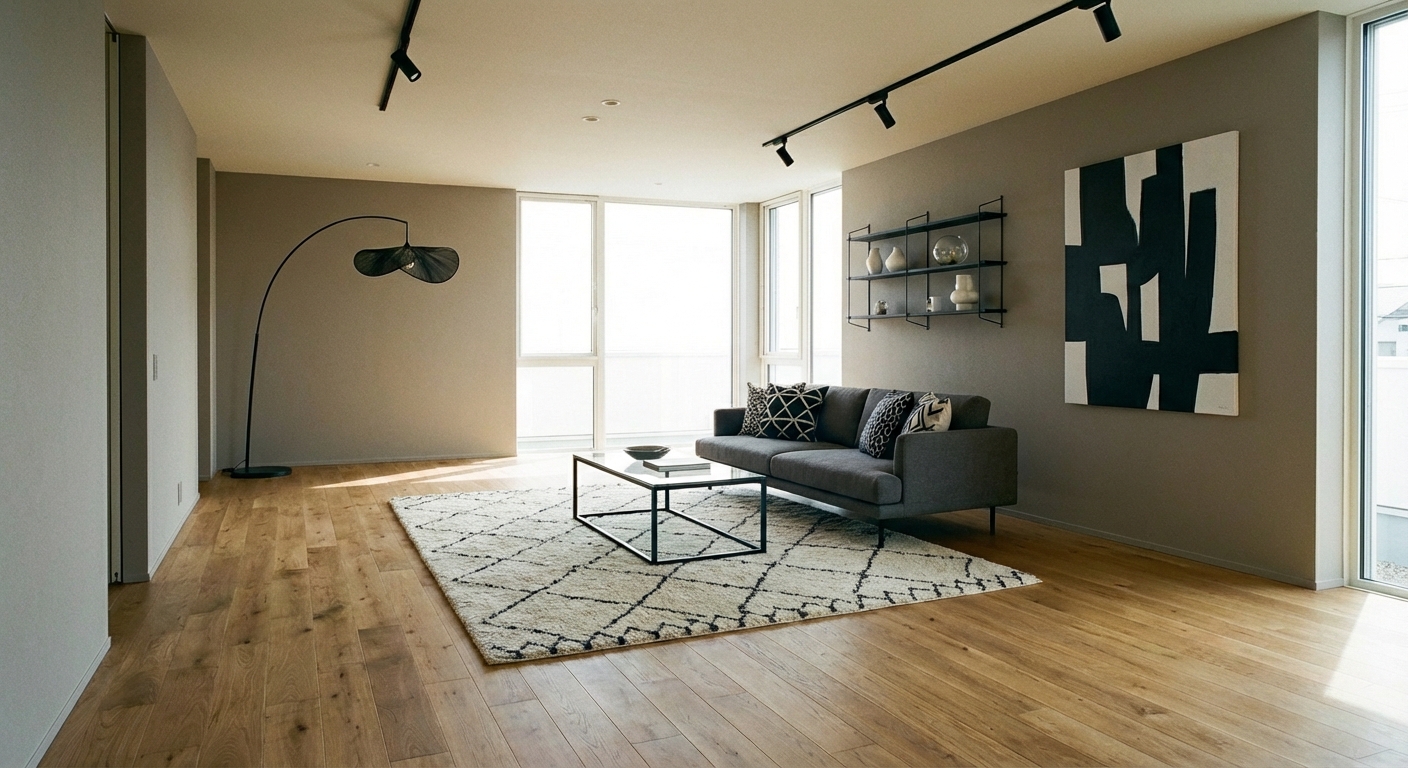
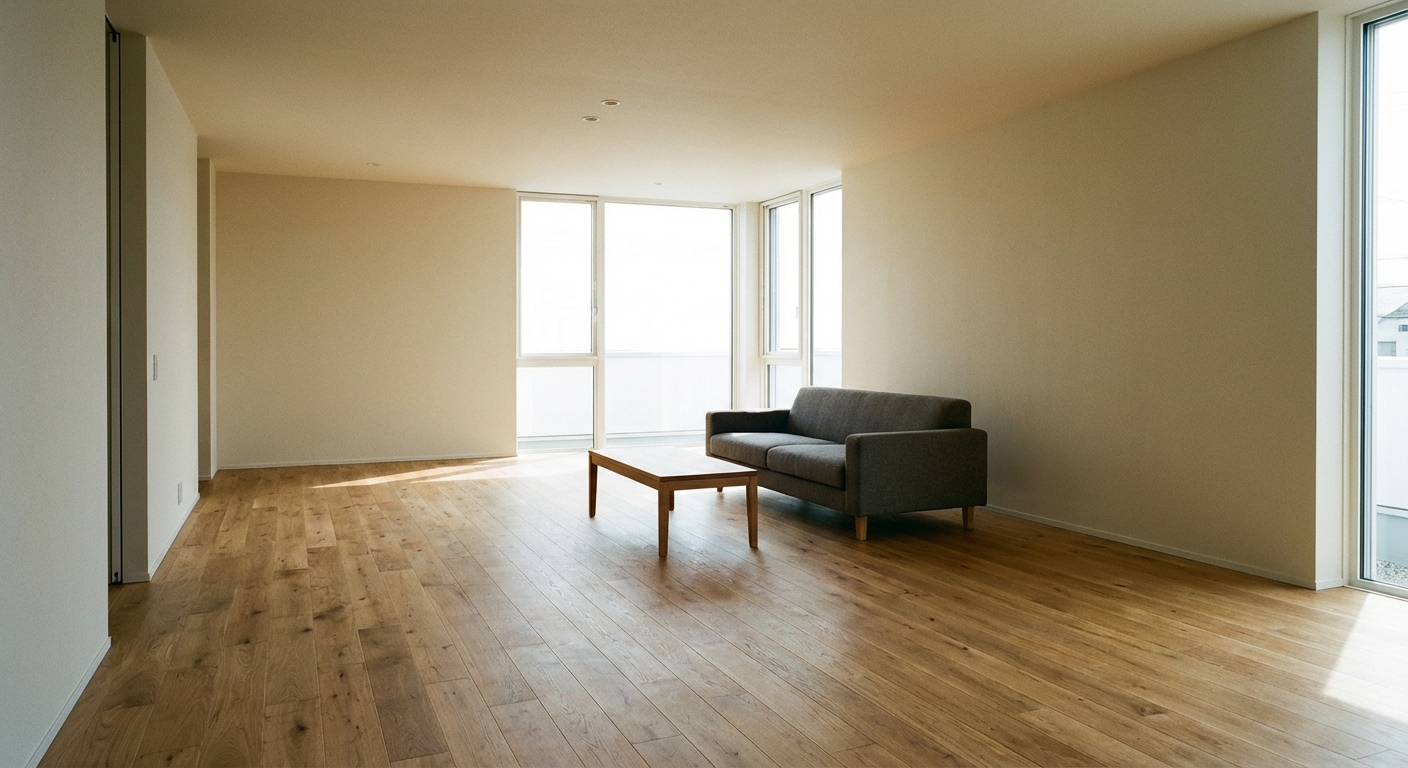
Upload your room photo in the app to see your real transformation
Color Palette
Click any color to copy hex code
Why It Works
Traditional design draws from European historical styles — ornate furniture, rich fabrics (silk, damask, brocade), dark woods, and symmetrical arrangements create rooms with formal elegance and historical character. Transitional design takes traditional forms and simplifies them for modern living — it keeps the symmetry and rich materials but removes the ornamentation. A traditional room has a carved mahogany table with a damask runner; a transitional room has a simple mahogany table with a linen runner. Transitional bridges the gap between your grandmother house and a modern showroom.
Best for
- rooms that can carry formality without feeling like a museum
- anyone planning a real living room where conversation distance, TV glare, and traffic past the sofa matter more than Pinterest perfection
- projects already thinking about linen and needing a coherent layout
Skip if
- you will not address conversation distance and only want a filter look
- you refuse to remove anything and only add decor
Common mistakes
In a living room, “traditional” fails when you heavy drapery and dark wood in a room with no light plan. Details like linen only work if the plan respects conversation distance, TV glare, and traffic past the sofa. Another miss: pushing every seat against the walls and calling the empty middle “open”.
Decide this first
fix the primary seating pair and one clear path before decorative chairs. Lock symmetry, richer fabrics, classic profiles as a short list, then use Intero on a real photo so scale and light are honest before you spend.
How to Achieve This Look
- 1
Decide if you want timeless blend or current trends
- 2
Transitional: combine classic furniture with modern clean lines
- 3
Contemporary: follow the latest design movements and materials
- 4
Transitional: use a warm, neutral palette with traditional textures
- 5
Contemporary: explore bold color, unusual materials, and asymmetry
- 6
Both: prioritize quality and comfort in furniture selection
Layout & materials
For traditional: use rich, dark woods (mahogany, cherry), ornate furniture with carved details, heavy fabrics (silk, velvet, damask), and symmetrical arrangements. Add crown molding, wainscoting, and formal window treatments. For transitional: start with traditional furniture forms but choose simpler, less ornate versions. Use a neutral palette with richer textures. Replace heavy drapes with tailored panels. Keep symmetry but reduce accessories. The room should feel polished and intentional without being stuffy.
Transitional splits the difference between traditional and modern. Contemporary is whatever is happening right now in design.
The line between traditional and transitional can be subtle but impactful. Intero AI lets you preview both approaches in your room, helping you find the exact point on the spectrum between formal and relaxed that feels right for your lifestyle.
Frequently Asked Questions
Q1 Is transitional just watered-down traditional?
No — transitional is a deliberate design style that combines traditional forms with modern simplicity. It takes the best elements of traditional (quality materials, symmetry, elegance) and modern (clean lines, neutral palette, restraint) to create something distinct.
Q2 Which is better for resale value?
Transitional design typically has the broadest resale appeal because it feels neither too formal nor too trendy. It reads as "quality" to most buyers without alienating those who prefer modern or traditional tastes.
Q3 Can I transition from traditional to transitional gradually?
Yes — this is one of the easiest style transitions. Start by replacing heavy curtains with simple panels, swapping ornate accessories for simpler ones, lightening the color palette, and removing a few decorative objects from each surface.
Related searches
These are the next pages people usually open while narrowing this design direction.
Design Guides You'll Love
Ready to See This Style in Your Room?
Download Intero and preview this design on your own room photo.
No credit card. No signup. Just results.
Scan to download
Point your phone camera at a code

