The Complete Guide to Transitional Interior Design
Transitional design takes the richness of traditional style and strips away the fuss, creating spaces that feel timeless, polished, and effortlessly balanced.
What is Complete Guide to Transitional Design?
Transitional design takes the richness of traditional style and strips away the fuss, creating spaces that feel timeless, polished, and effortlessly balanced.
See the Transformation
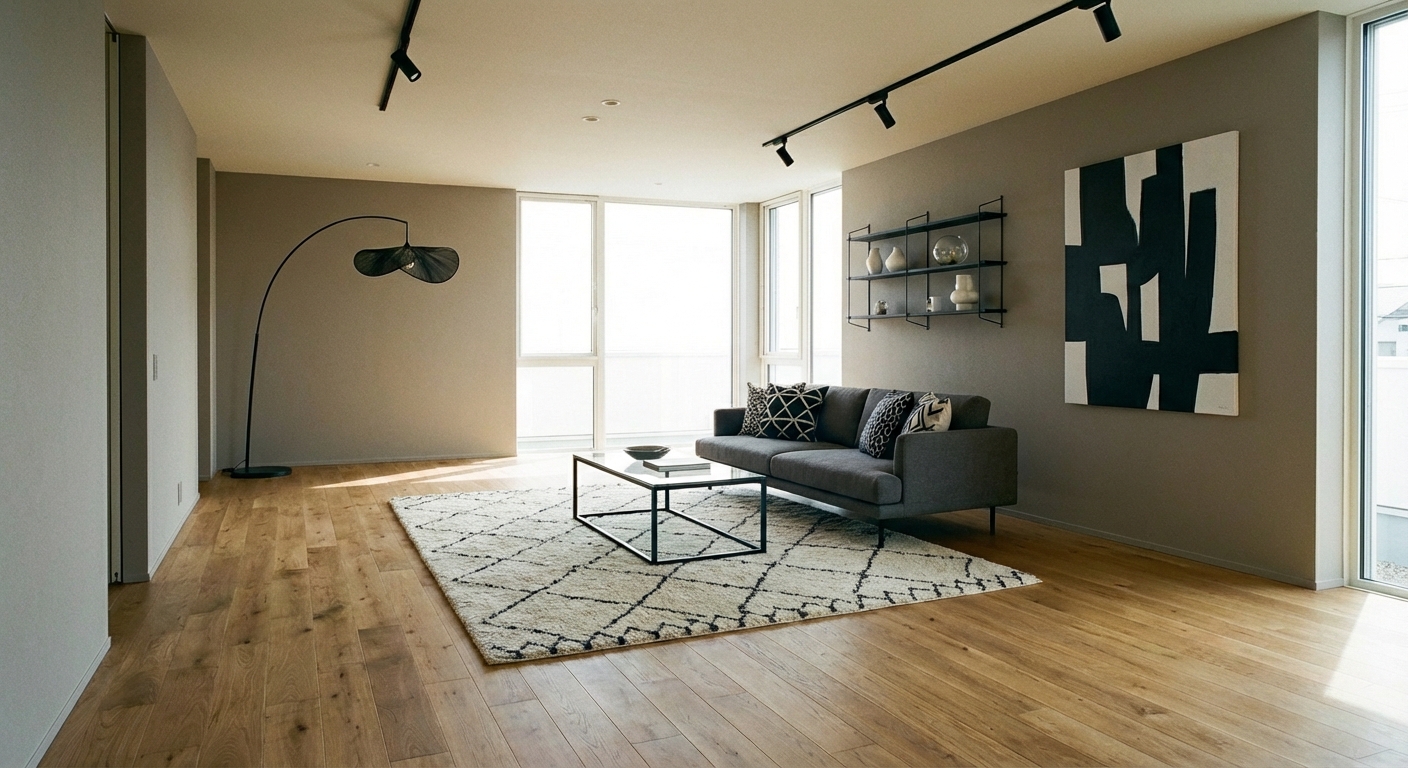
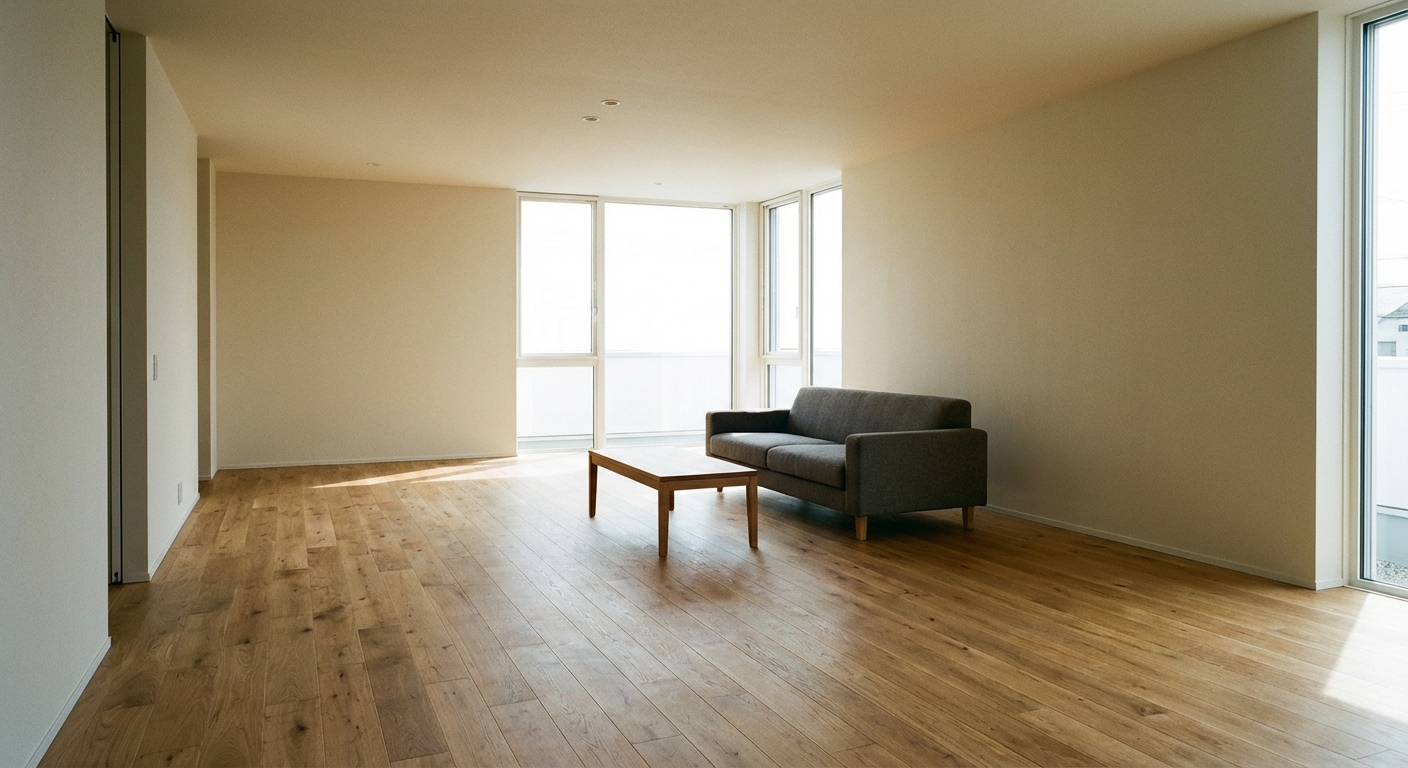
Upload your room photo in the app to see your real transformation
Why It Works
Transitional design emerged in the late 20th century as a response to a common dilemma: people who loved the quality and warmth of traditional interiors but found the ornamentation outdated. Rather than swinging fully to minimalism, transitional design preserves traditional proportions, symmetry, and rich materials while simplifying the details. A traditional room might have a carved mahogany console with a damask runner and crystal lamp; a transitional room has a clean-lined mahogany console with a linen runner and a sculptural ceramic lamp. The philosophy is editing rather than reinventing. This makes transitional the most broadly appealing style in real estate — it offends no sensibility while communicating quality and intention. The style endures because its foundation is timeless principles (proportion, balance, quality materials) rather than era-specific trends.
Best for
- people ready to test options on a real photo before buying
- anyone planning a real living room where conversation distance, TV glare, and traffic past the sofa matter more than Pinterest perfection
- projects already thinking about linen, sofa, lighting and needing a coherent layout
Skip if
- you will not address conversation distance and only want a filter look
- you refuse to remove anything and only add decor
Common mistakes
The usual complete living room miss is shopping object-by-object with no envelope decision. Details like linen, sofa, lighting only work if the plan respects conversation distance, TV glare, and traffic past the sofa. Another miss: pushing every seat against the walls and calling the empty middle “open”.
Decide this first
fix the primary seating pair and one clear path before decorative chairs. Lock a coherent material story instead of random catalog picks as a short list, then use Intero on a real photo so scale and light are honest before you spend.
How to Achieve This Look
Start with symmetry and balance — matching nightstands, paired lamps, and centered focal points create the ordered calm that defines transitional rooms. The color palette is neutral and warm: creams, warm grays, soft taupe, and mushroom, with color introduced through artwork and select accessories rather than bold walls. Furniture should have traditional proportions (substantial, well-scaled) but simplified forms — a sofa with a clean rolled arm instead of carved wood trim, a dining table with elegant but unadorned legs. Fabrics mix traditional luxury (velvet, silk blends) with modern casual (linen, cotton, performance fabrics). Avoid ornate details: no carved legs, no heavy cornices, no tasseled trim. Keep moldings and millwork clean — simple crown molding and flat-panel wainscoting. Lighting bridges eras: a classic chandelier with clean lines, or modern pendants in a traditional silhouette.
Transitional design succeeds in the subtleties — the right balance between traditional weight and modern simplicity. Intero AI lets you test different levels of transitional styling in your room, adjusting the mix of classic and contemporary elements until you find the blend that feels both refined and current.
Frequently Asked Questions
Q1 How is transitional different from modern?
Modern strips away ornament entirely and often uses industrial materials (steel, glass, concrete). Transitional keeps the warmth and substance of traditional design — rich wood, upholstered furniture, layered textiles — but simplifies the forms. Transitional rooms feel warmer and more lived-in than modern rooms.
Q2 Is transitional design just "playing it safe"?
It can be if done lazily. The best transitional spaces make deliberate choices — a single striking piece of art, an unexpected light fixture, or a bold rug — that inject personality into the balanced foundation. Think of it as a well-tailored suit with one standout accessory.
Q3 What furniture brands represent transitional design?
Restoration Hardware, Pottery Barn, Crate & Barrel, and Ethan Allen all lean heavily transitional. Look for pieces that feel substantial and well-made but lack carved ornament or overly trendy shapes. Clean-lined sofas with neutral upholstery are the quintessential transitional purchase.
Q4 Can I convert a traditional room to transitional without replacing everything?
Yes — transitional is one of the easiest transformations. Swap ornate curtains for simple linen panels, replace heavy lampshades with drum shades, remove a few accessories from each surface, and repaint dark walls in warm neutral tones. Keep quality traditional furniture pieces and let the editing create the style shift.
Related searches
These are the next pages people usually open while narrowing this design direction.
Ready to See This Style in Your Room?
Download Intero and preview this design on your own room photo.
No credit card. No signup. Just results.
Scan to download
Point your phone camera at a code

