Contemporary vs Transitional — Trend-Forward or Timeless Blend?
Contemporary chases the current moment. Transitional builds a bridge between old and new. One evolves constantly; the other is designed to endure.
What is Contemporary vs Transitional: Current Moment vs Timeless Bridge?
Contemporary chases the current moment. Transitional builds a bridge between old and new. One evolves constantly; the other is designed to endure.
See the Transformation
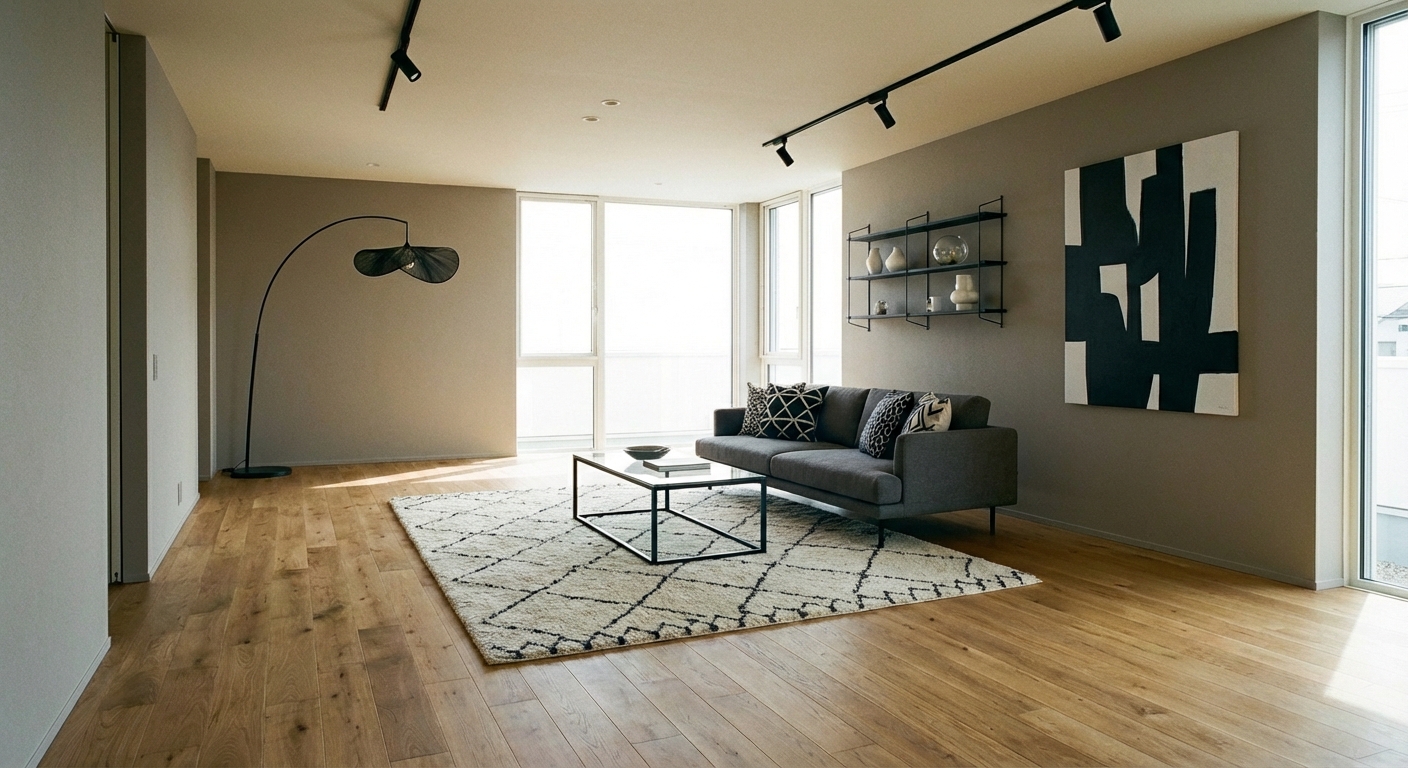
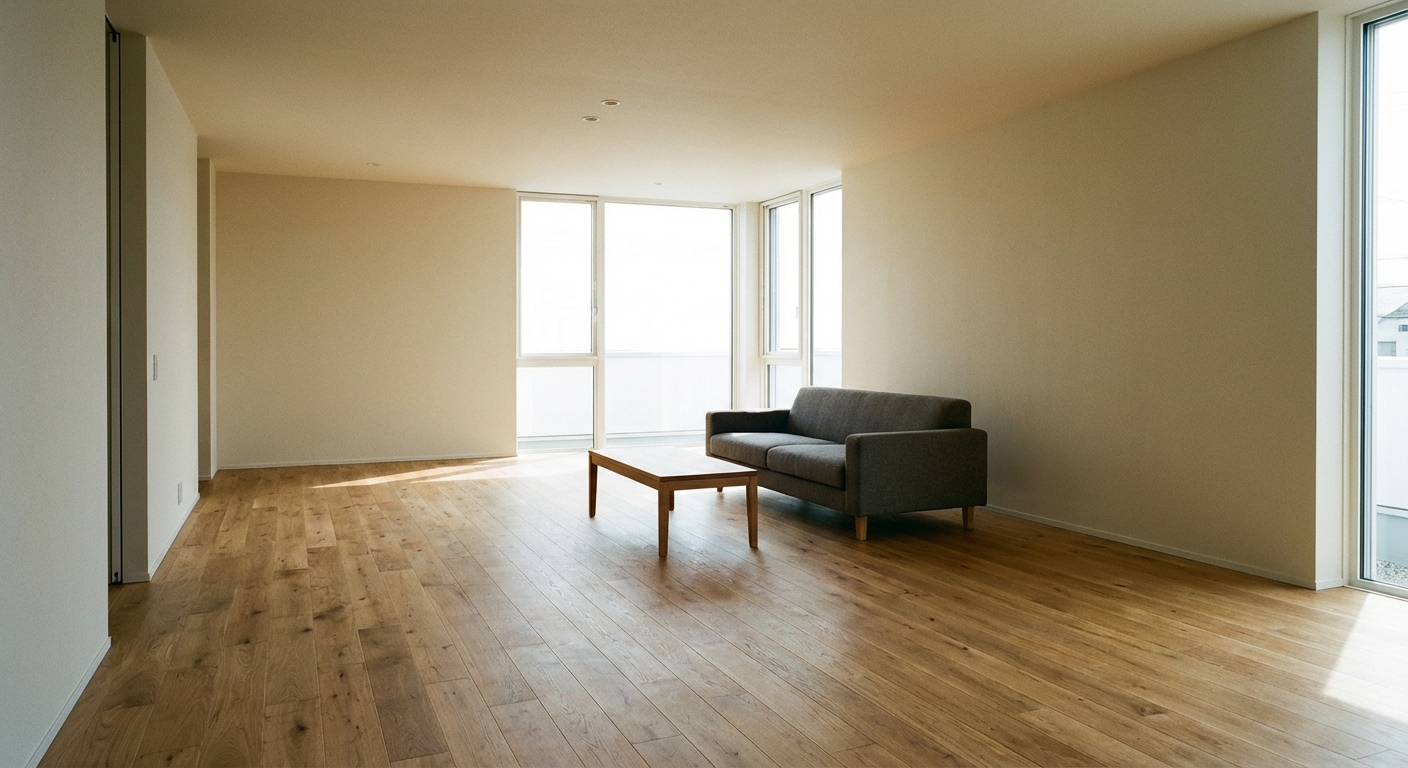
Upload your room photo in the app to see your real transformation
Why It Works
Contemporary design reflects whatever is happening right now in the design world — in 2026, that means curved organic furniture, warm earth palettes, and sustainable materials. It is a moving target, constantly absorbing new influences and discarding old ones. Transitional design is intentionally stable: it takes the symmetry and rich materials of traditional design and strips away the ornamentation, adding modern clean lines and neutral palettes. Transitional rooms look polished today and will look polished in twenty years. Contemporary rooms feel exciting and of-the-moment but may require updating as trends shift. The choice depends on whether you value currency or longevity.
Best for
- people updating a room without a full gut remodel
- anyone planning a real living room where conversation distance, TV glare, and traffic past the sofa matter more than Pinterest perfection
- projects already thinking about lighting, sofa and needing a coherent layout
Skip if
- you will not address conversation distance and only want a filter look
- you refuse to remove anything and only add decor
Common mistakes
People pin contemporary living room ideas and then chasing every trend piece until the room has no through-line. Details like lighting, sofa only work if the plan respects conversation distance, TV glare, and traffic past the sofa. Another miss: pushing every seat against the walls and calling the empty middle “open”.
Decide this first
fix the primary seating pair and one clear path before decorative chairs. Lock current silhouettes without locking into one decade as a short list, then use Intero on a real photo so scale and light are honest before you spend.
How to Achieve This Look
For contemporary: follow current design movements — in 2026, that means rounded furniture forms, warm neutral palettes with earth-tone accents, natural and sustainable materials, and statement lighting in organic shapes. Stay close to design media and update accent pieces seasonally. For transitional: invest in high-quality neutral furniture with classic proportions but simplified forms. A Chesterfield sofa without the tufting, a wingback chair with straight legs instead of cabriole. Use a muted palette of warm grays, soft whites, and natural wood. Let one or two contemporary accessories nod to the moment without defining the room.
Intero AI helps you preview both a trend-forward contemporary room and a timeless transitional room in your space. Compare which approach gives you more confidence that you will love the result in five years, not just five months.
Frequently Asked Questions
Q1 Which has better resale appeal?
Transitional design consistently scores highest in resale appeal because it offends no taste and looks intentional to everyone. Contemporary can appeal strongly to design-forward buyers but may feel dated to others if the trends have already shifted.
Q2 Is transitional design boring?
Not when executed well. The best transitional rooms use exceptional materials, careful proportions, and one or two unexpected elements — an oversized piece of art, a bold rug, a statement light fixture — that prevent the balanced foundation from feeling generic.
Q3 Can I update a transitional room to feel more contemporary?
Easily — that is one of transitional design biggest strengths. Swap out accent pillows, lighting, and a few accessories with current-trend pieces, and the room feels updated without replacing furniture. Transitional is the most adaptable foundation for trend cycling.
Related searches
These are the next pages people usually open while narrowing this design direction.
You Might Also Like
Design Guides You'll Love
Ready to See This Style in Your Room?
Download Intero and preview this design on your own room photo.
No credit card. No signup. Just results.
Scan to download
Point your phone camera at a code

