The Complete Guide to Wabi-Sabi Interior Design
Wabi-sabi finds beauty in imperfection, impermanence, and incompleteness. It is the antidote to perfectionist design — and one of the most profound approaches to creating a home.
What is Complete Guide to Wabi-Sabi Design?
Wabi-sabi finds beauty in imperfection, impermanence, and incompleteness. It is the antidote to perfectionist design — and one of the most profound approaches to creating a home.
See the Transformation
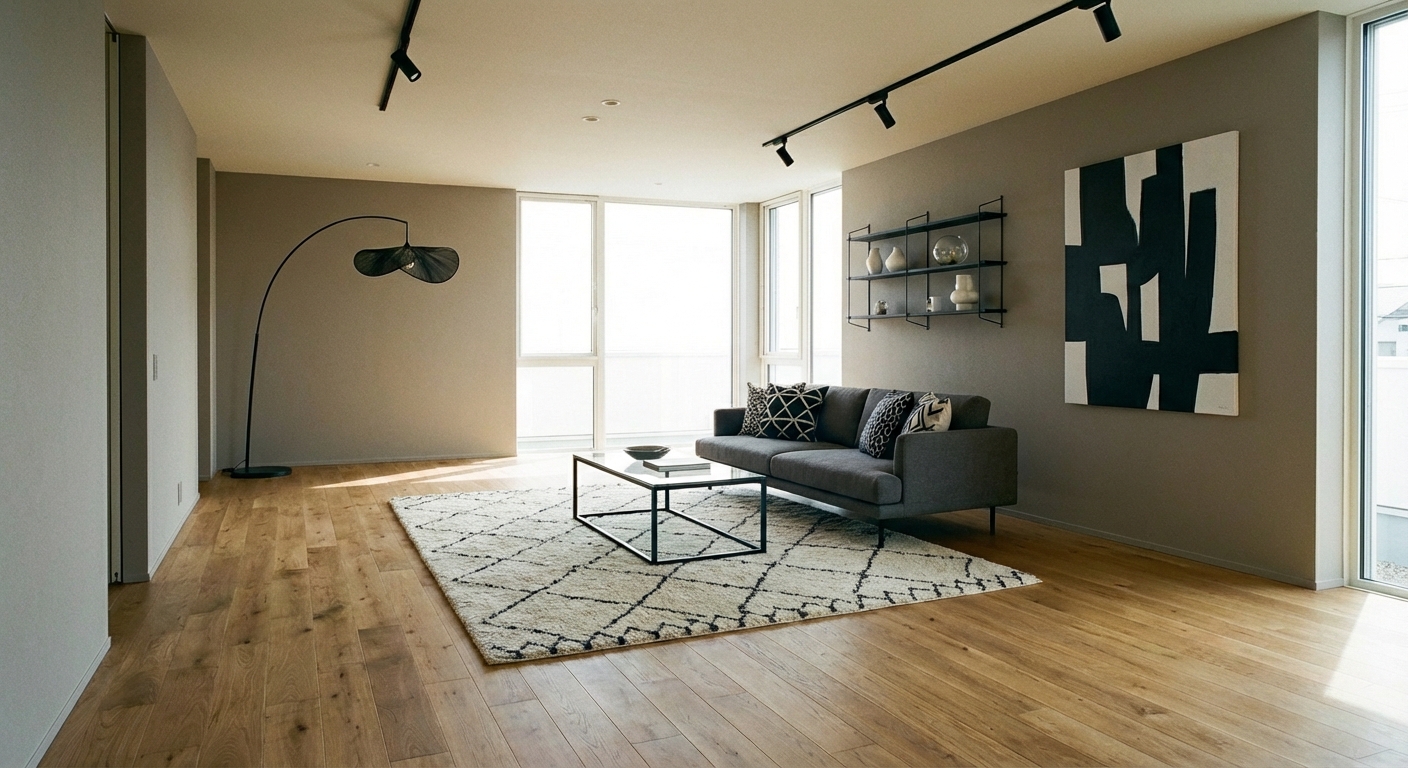
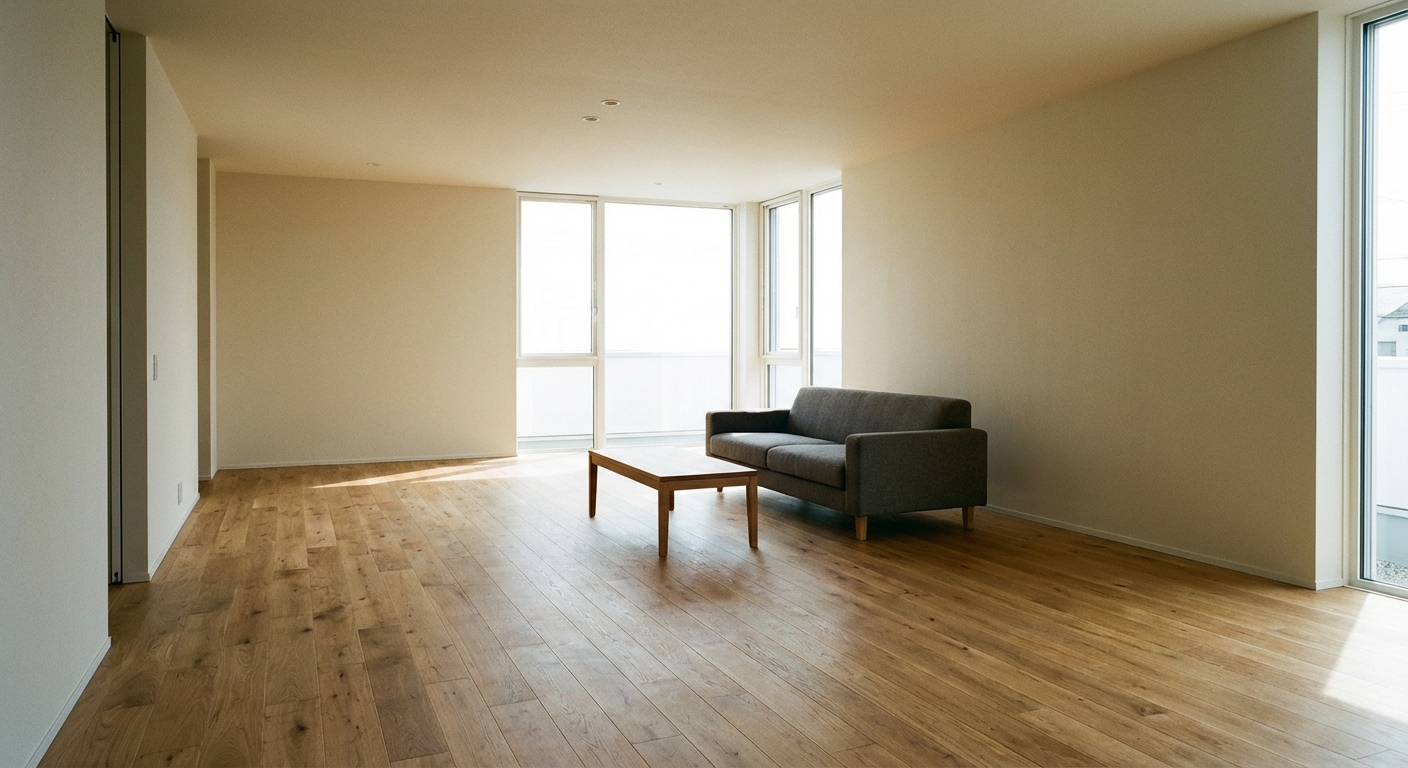
Upload your room photo in the app to see your real transformation
Why It Works
Wabi-sabi is a Japanese aesthetic philosophy rooted in Zen Buddhism and the tea ceremony tradition. Wabi refers to the beauty of simplicity and austerity; sabi refers to the beauty that comes with age and wear. Together, they celebrate the imperfect, the impermanent, and the incomplete as sources of profound beauty. A cracked ceramic bowl repaired with gold (kintsugi), a weathered wooden gate, a moss-covered stone — these are wabi-sabi objects. In interior design, the philosophy rejects the pursuit of perfection that drives most Western decorating. Instead of hiding flaws, wabi-sabi makes them the focal point. A wall with peeling plaster reveals its layered history. An uneven handmade tile mosaic carries the mark of its maker. This philosophy resonates deeply in an era of mass production because it reconnects us with the human, the handmade, and the passage of time.
How to Achieve This Look
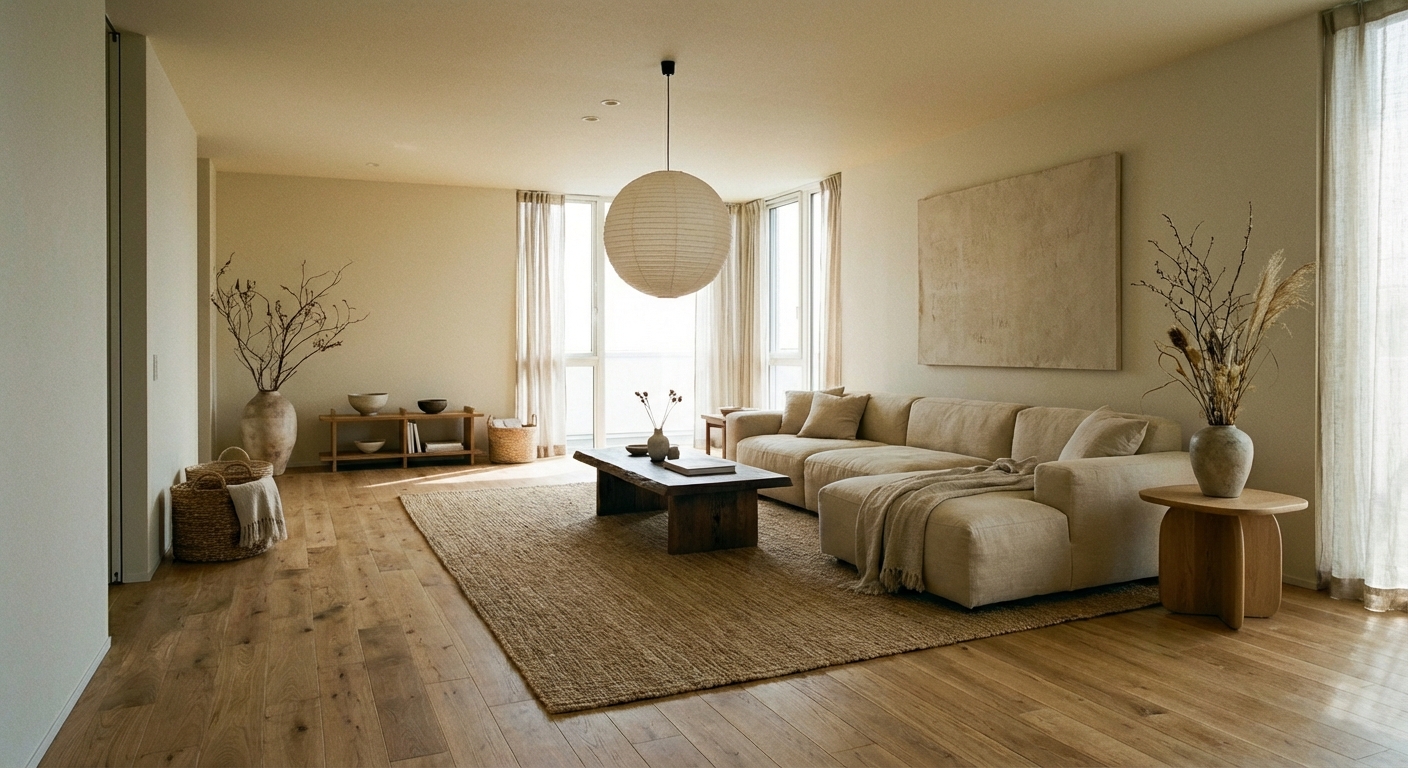
Begin by embracing materials that show their age: raw plaster walls left deliberately imperfect, reclaimed wood with visible history, hand-thrown ceramics with asymmetric forms, and stone surfaces with natural fissures. The color palette draws from natural decay — soft grays, weathered browns, muted greens, faded indigo, and the warm white of unbleached cotton. Furniture should be simple, low to the ground, and made from honest materials — a solid wood table with visible joints, a linen-covered daybed, floor cushions. Avoid anything that looks factory-perfect: no high-gloss finishes, no symmetrical arrangements, no brand-new-looking materials. Leave space empty — negative space (ma in Japanese) is not absence but a deliberate presence. Lighting should be soft and natural: diffused through rice paper, reflected off raw surfaces, or provided by candles. Accessories are minimal but meaningful: one handmade object, one branch in a ceramic vase, one worn textile.
Wabi-sabi is about restraint and imperfection — qualities that are hard to visualize from a catalog. Intero AI lets you preview wabi-sabi principles in your room: see how raw plaster walls, minimal furnishings, and handmade objects would transform your space into a contemplative sanctuary.
"I redesigned my entire apartment before buying a single piece of furniture."
— Sarah M.
Frequently Asked Questions
Q1 Is wabi-sabi the same as minimalism?
No, though they share an appreciation for simplicity. Minimalism is a Western design movement focused on geometric precision and pure forms. Wabi-sabi is a Japanese philosophy focused on organic imperfection and natural aging. A minimalist room is perfectly clean; a wabi-sabi room is deliberately imperfect.
Q2 How do I practice wabi-sabi without my home looking neglected?
The key is intentionality. Wabi-sabi imperfections are chosen and celebrated, not accidental. A deliberately exposed plaster wall is wabi-sabi; a water-damaged ceiling is neglect. Clean and maintain your space thoroughly, then allow specific elements — aged wood, handmade objects, natural wear patterns — to tell their stories.
Q3 Where do I find wabi-sabi-appropriate furniture and decor?
Artisan potters and ceramicists are the best source for handmade objects. Reclaimed material dealers supply aged wood and stone. Japanese homeware brands like Muji, Tokoname, and small Etsy ceramicists specialize in wabi-sabi aesthetics. Vintage and antique shops offer naturally aged pieces.
Q4 Can wabi-sabi work in a new construction home?
Yes, but it requires effort to counteract the perfection of new builds. Apply lime wash or Roman clay to walls for texture, use reclaimed wood elements, choose handmade tile over factory-perfect options, and furnish with pieces that have character and visible craftsmanship.
Related searches
These are the next pages people usually open while narrowing this design direction.
Ready to Transform Your Room?
Download Intero and see this design in your space in seconds.
No credit card. No signup. Just results.