Wabi-Sabi vs Japandi — Two Paths From the Same Root
Both draw from Japanese design philosophy, but wabi-sabi is purely Japanese while Japandi blends Japanese restraint with Scandinavian warmth. The difference shapes every room.
What is Wabi-Sabi vs Japandi: Japanese-Influenced Styles Compared?
Both draw from Japanese design philosophy, but wabi-sabi is purely Japanese while Japandi blends Japanese restraint with Scandinavian warmth. The difference shapes every room.
See the Transformation
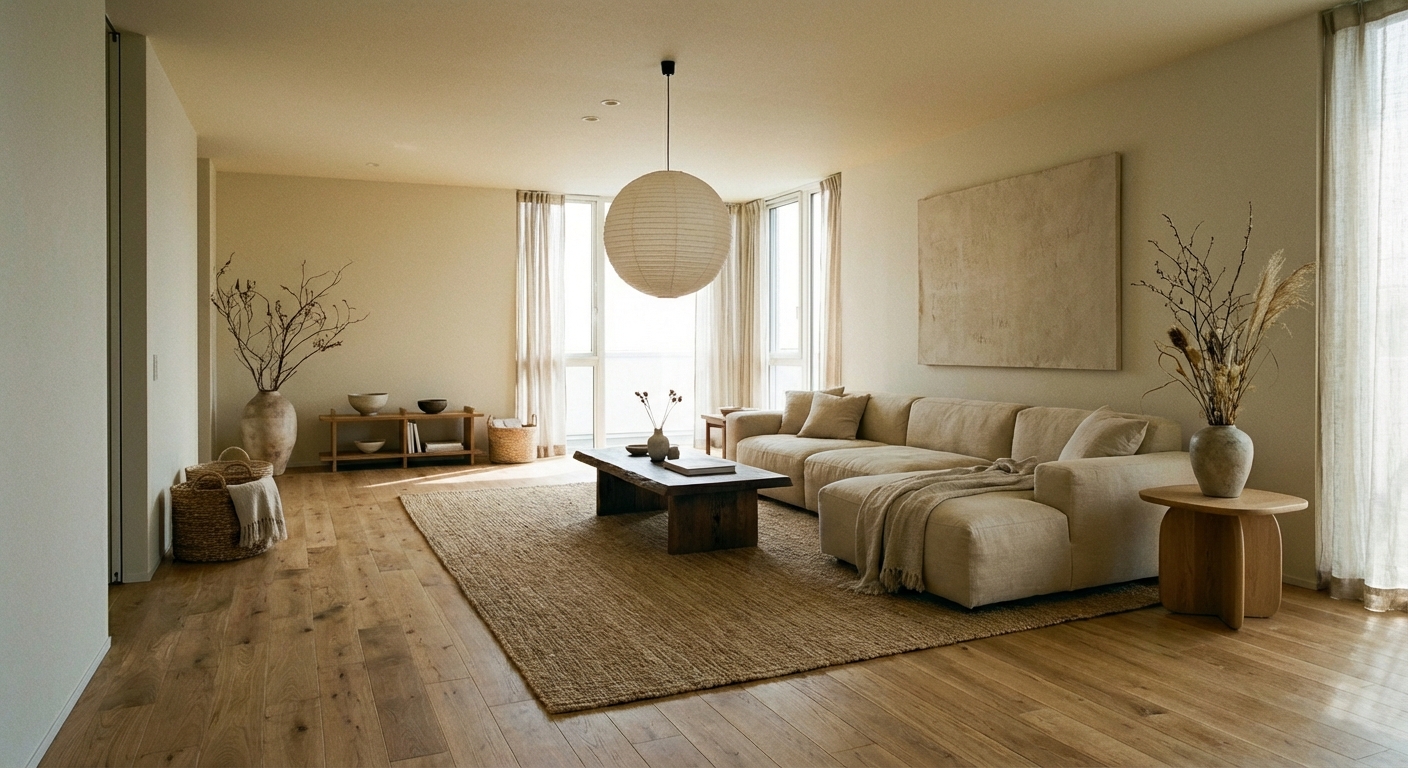
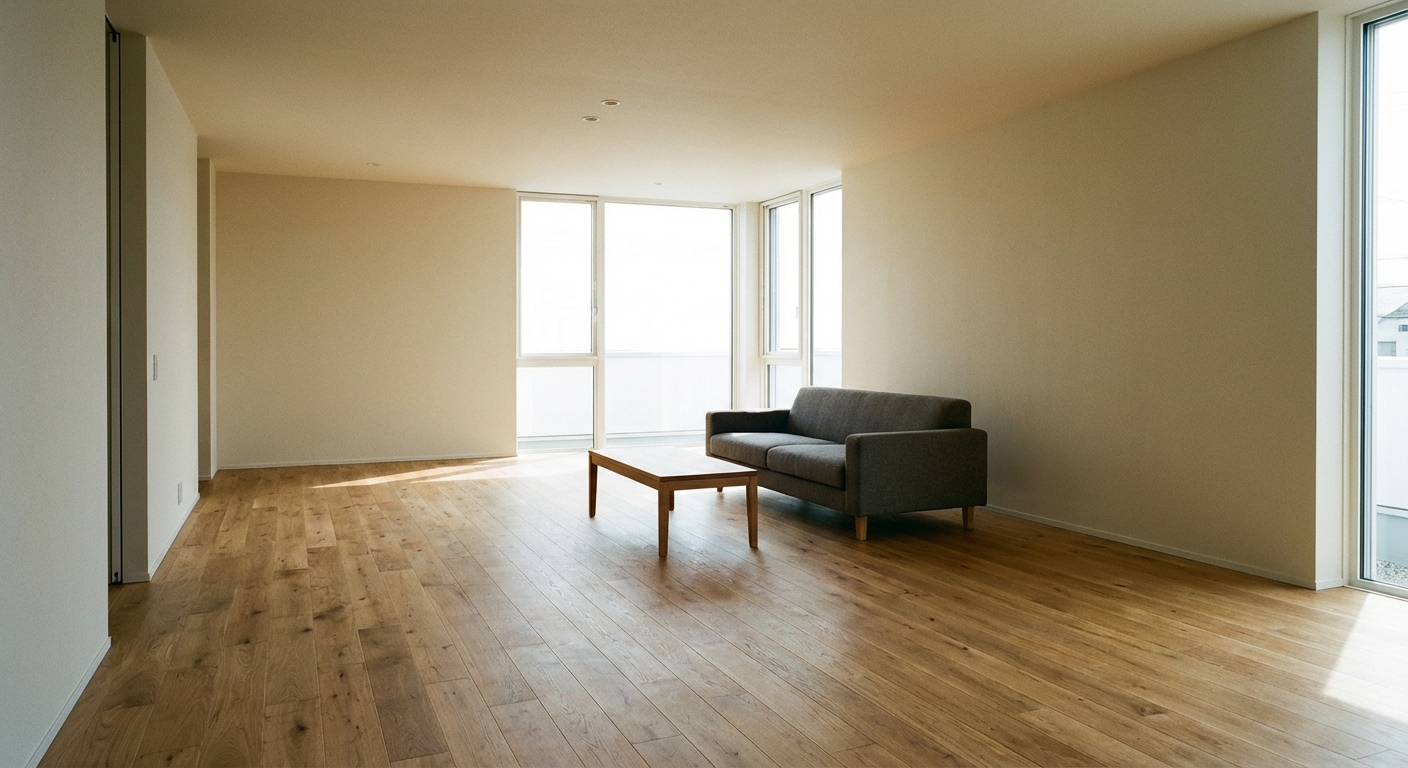
Upload your room photo in the app to see your real transformation
Why It Works
Wabi-sabi is a purely Japanese aesthetic philosophy that finds beauty in imperfection, impermanence, and incompleteness. A cracked ceramic bowl repaired with gold, a weathered wooden beam, an asymmetrical handmade vase — these are wabi-sabi objects. The style is meditative and deeply restrained, often using only raw, aged, or handcrafted materials. Japandi takes wabi-sabi sensibilities and fuses them with Scandinavian hygge — adding warmth, functional comfort, and a slightly lighter palette. Where wabi-sabi embraces austerity and shadow, Japandi adds cozy textiles, brighter whites, and more livable arrangements. Wabi-sabi is the philosophical purist; Japandi is the accessible interpreter.
Best for
- people who will subtract furniture and visual noise
- anyone planning a real living room where conversation distance, TV glare, and traffic past the sofa matter more than Pinterest perfection
- projects already thinking about oak, walnut, linen and needing a coherent layout
Skip if
- you will not address conversation distance and only want a filter look
- you need the room finished tomorrow with zero test fits
Common mistakes
People pin Japandi living room ideas and then filling every surface with “minimal” decor until it is not. Details like oak, walnut, linen only work if the plan respects conversation distance, TV glare, and traffic past the sofa. Another miss: pushing every seat against the walls and calling the empty middle “open”.
Decide this first
fix the primary seating pair and one clear path before decorative chairs. Lock low furniture, limited palette, natural materials as a short list, then use Intero on a real photo so scale and light are honest before you spend.
How to Achieve This Look
For wabi-sabi: choose materials that show age and wear — raw plaster, unfinished wood, handmade ceramics with visible irregularities. Embrace asymmetry in arrangements. Limit objects to the absolute essential and let imperfections remain visible. Colors are muted earth tones and shadow-inspired grays. For Japandi: start with wabi-sabi restraint but add Scandinavian warmth — lighter woods (oak alongside walnut), linen throws, and a slightly brighter base palette. Include more functional comfort items like cushions and soft rugs. Both reject the mass-produced and favor the handmade, but Japandi allows more objects per room.
Intero AI lets you preview the nuanced difference between wabi-sabi restraint and Japandi warmth in your room. See how the same space feels with pure Japanese austerity versus the warmer Scandinavian-Japanese hybrid.
Frequently Asked Questions
Q1 Is wabi-sabi too austere for everyday living?
Pure wabi-sabi can feel stark for Western households accustomed to more comfort. Japandi was born precisely to address this — it keeps the soul of wabi-sabi (imperfection, natural materials, restraint) while adding livable warmth. Most Western homes benefit from the Japandi interpretation.
Q2 Do both styles use the same materials?
Both favor natural, handmade materials, but wabi-sabi gravitates toward darker, more aged surfaces — weathered wood, rough clay, tarnished metal. Japandi includes lighter woods (birch, light oak), cleaner ceramics, and soft textiles that would feel out of place in a strict wabi-sabi space.
Q3 Can I apply wabi-sabi principles to any design style?
Yes — wabi-sabi as a philosophy (valuing imperfection and natural aging) can enrich any style. A modern room with one handmade ceramic, a minimalist space with a worn leather chair, or a Scandinavian room with an asymmetrical arrangement all borrow from wabi-sabi without becoming fully Japanese.
Related searches
These are the next pages people usually open while narrowing this design direction.
You Might Also Like
Design Guides You'll Love
Ready to See This Style in Your Room?
Download Intero and preview this design on your own room photo.
No credit card. No signup. Just results.
Scan to download
Point your phone camera at a code

