Biophilic vs Scandinavian — Two Ways to Bring Nature Inside
Both styles draw deeply from the natural world, but biophilic design is science-driven while Scandinavian design is culturally driven. The result feels different in every room.
What is Biophilic vs Scandinavian: Nature-Centric Approaches Compared?
Both styles draw deeply from the natural world, but biophilic design is science-driven while Scandinavian design is culturally driven. The result feels different in every room.
See the Transformation
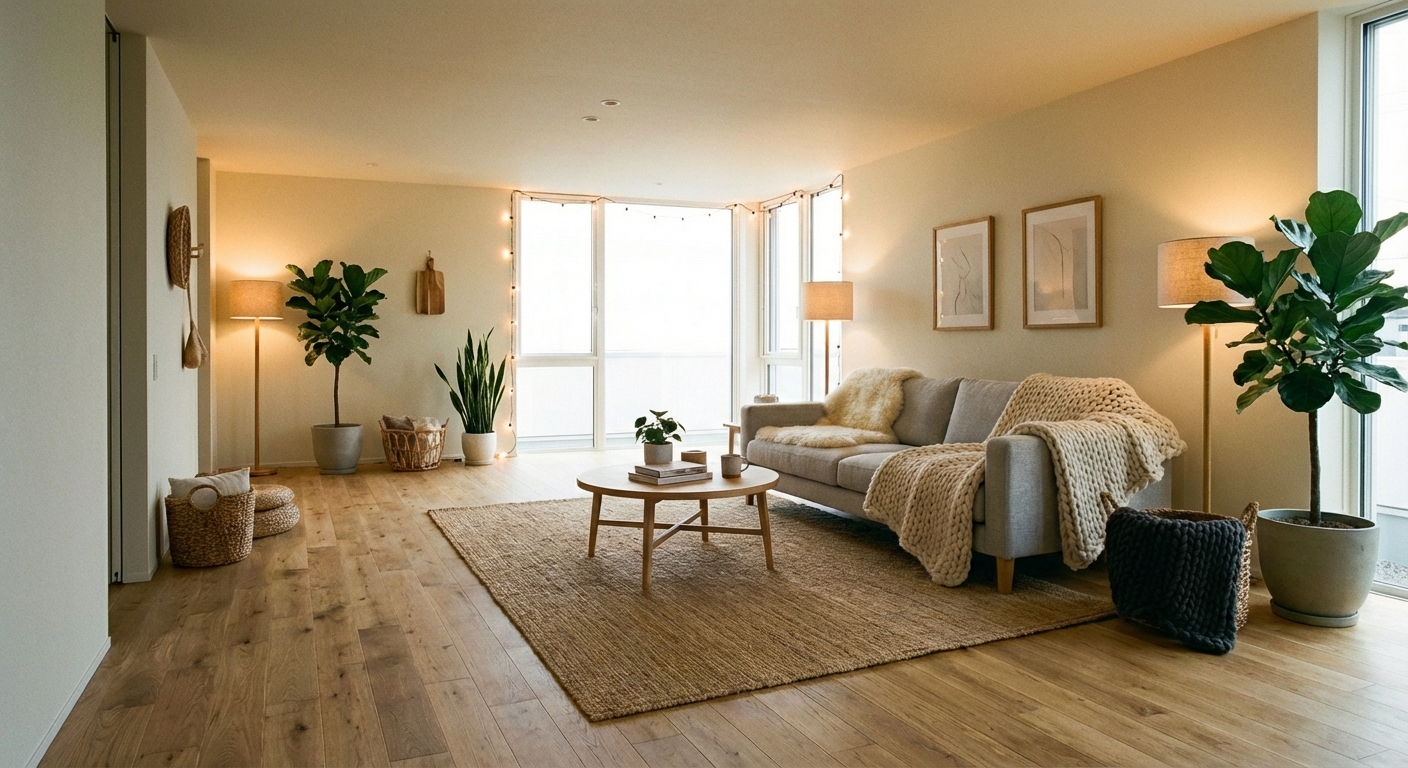
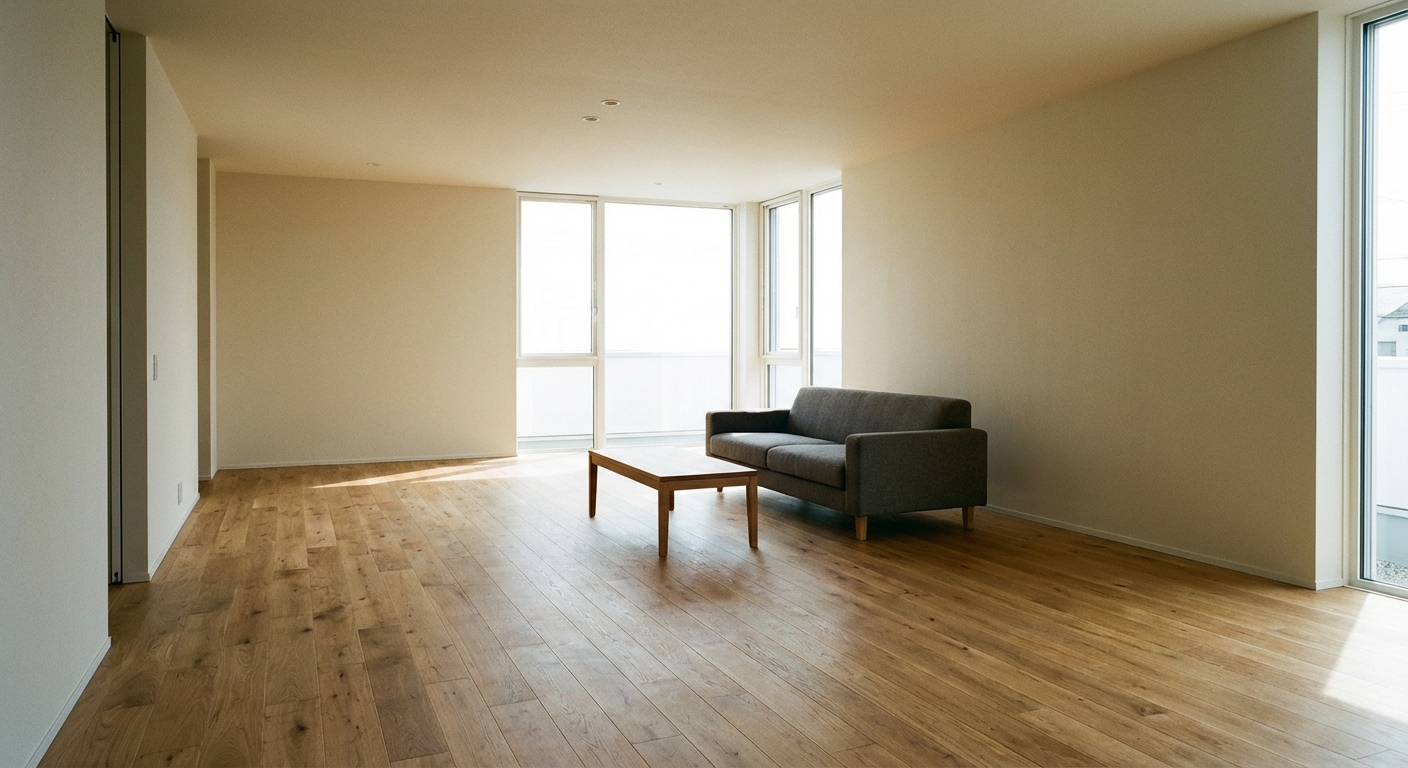
Upload your room photo in the app to see your real transformation
Why It Works
Biophilic design is a research-backed approach that integrates natural elements into built environments to improve human health and well-being. It goes beyond adding plants — it includes maximizing natural light, using natural materials with visible grain and texture, incorporating water features, ensuring views of nature, and designing spaces that mimic natural patterns and rhythms. Scandinavian design shares the love of natural materials and light but arrives there through cultural tradition rather than scientific research. Nordic design maximizes light because winters are dark, uses wood because forests are abundant, and creates cozy layers because the climate demands warmth. Biophilic design is prescriptive — it follows principles like the 14 patterns of biophilic design. Scandinavian design is intuitive — it follows centuries of living in close relationship with nature.
Best for
- small or dim rooms that need light and calm
- anyone planning a real living room where conversation distance, TV glare, and traffic past the sofa matter more than Pinterest perfection
- projects already thinking about oak, lighting and needing a coherent layout
Skip if
- you will not address conversation distance and only want a filter look
- you need the room finished tomorrow with zero test fits
Common mistakes
People pin Scandinavian living room ideas and then all-white sterility with no wood or textile warmth. Details like oak, lighting only work if the plan respects conversation distance, TV glare, and traffic past the sofa. Another miss: pushing every seat against the walls and calling the empty middle “open”.
Decide this first
fix the primary seating pair and one clear path before decorative chairs. Lock light wood, soft textiles, daylight bounce as a short list, then use Intero on a real photo so scale and light are honest before you spend.
How to Achieve This Look
For biophilic: maximize natural light with sheer window treatments, add abundant living plants at multiple levels, use materials with visible natural patterns (wood grain, stone veining, woven fibers), incorporate water sounds or features where possible, and ensure sightlines to nature or natural imagery. For Scandinavian: use light wood throughout (birch, pine, oak), keep walls bright white to reflect light, layer cozy textiles in natural fibers, add candles and warm lighting at multiple heights, and include a few well-chosen plants. The key difference: biophilic goes deeper into sensory design (sound, air quality, fractal patterns) while Scandinavian focuses on visual warmth and hygge comfort.
Intero AI lets you compare a biophilic transformation — lush greenery, natural materials, and organic forms — against a Scandinavian one — bright whites, warm wood, and cozy textiles — in your actual room. Discover which nature-inspired approach feels more like home.
Frequently Asked Questions
Q1 Does biophilic design require a lot of plants?
Plants are one element but not the only one. Biophilic design also includes natural materials, natural light, views of nature, water features, natural color palettes, and spatial patterns that mimic nature (fractal geometry, prospect-and-refuge layouts). A plant-free room can still be biophilic.
Q2 Can I combine biophilic and Scandinavian approaches?
They overlap significantly and blend naturally. Scandinavian rooms already use natural materials and value light — adding biophilic principles like more plants, natural sound, and fractal patterns only deepens the nature connection. Many contemporary Nordic designers explicitly reference biophilic research.
Q3 Which is better for apartments with limited natural light?
Scandinavian design excels in low-light environments — it was designed for dark winters. Its bright whites and reflective surfaces maximize whatever light exists. Biophilic design in low-light spaces requires more creative solutions: grow lights for plants, nature-inspired art as substitutes for views, and natural materials that work without direct sunlight.
Related searches
These are the next pages people usually open while narrowing this design direction.
You Might Also Like
Design Guides You'll Love
Ready to See This Style in Your Room?
Download Intero and preview this design on your own room photo.
No credit card. No signup. Just results.
Scan to download
Point your phone camera at a code

