Burnt Orange — The Warm Retro Tone Making a Serious Comeback
Neither red nor yellow, burnt orange sits at the warmest point of the color wheel. It brings mid-century warmth and earthy sophistication to any space it touches.
What is Burnt Orange Color Palette for Interiors?
Neither red nor yellow, burnt orange sits at the warmest point of the color wheel. It brings mid-century warmth and earthy sophistication to any space it touches.
See the Transformation
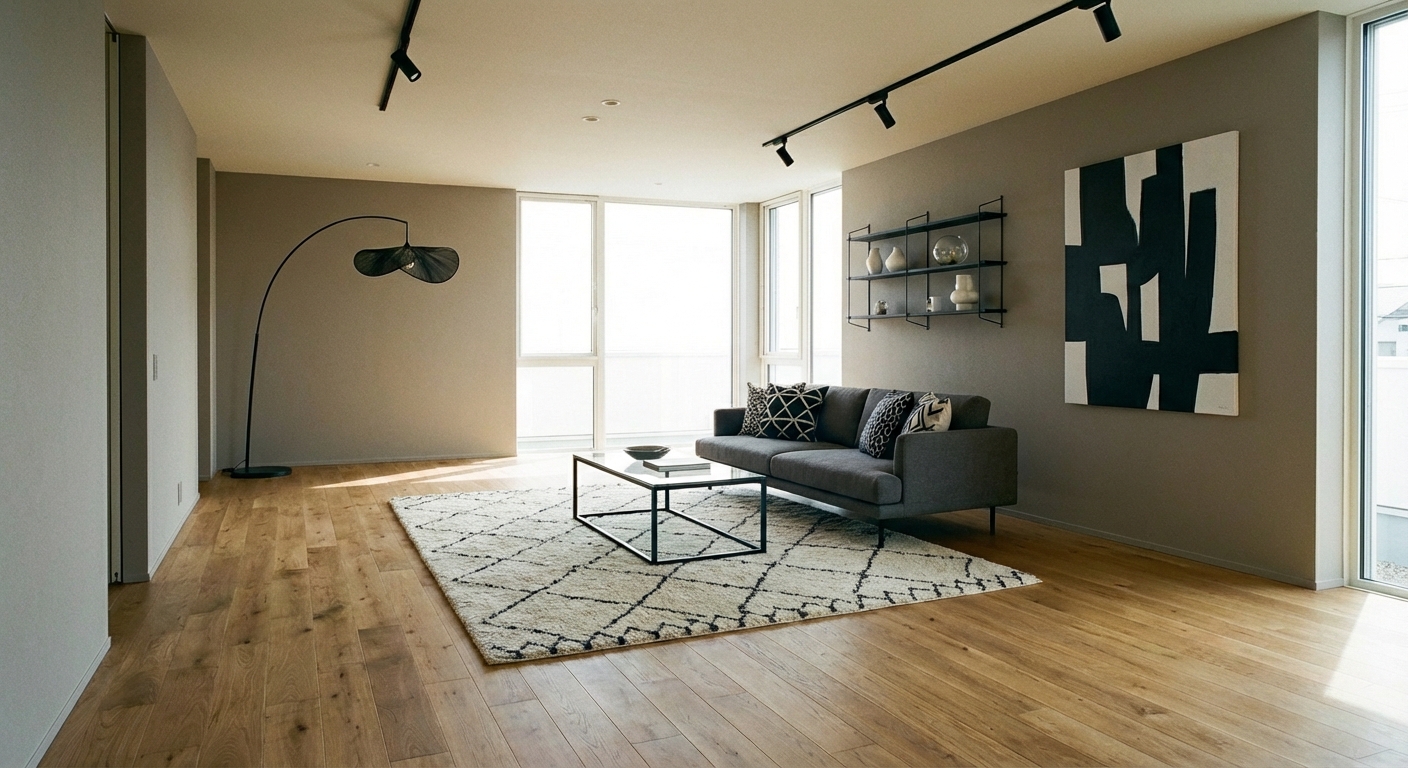
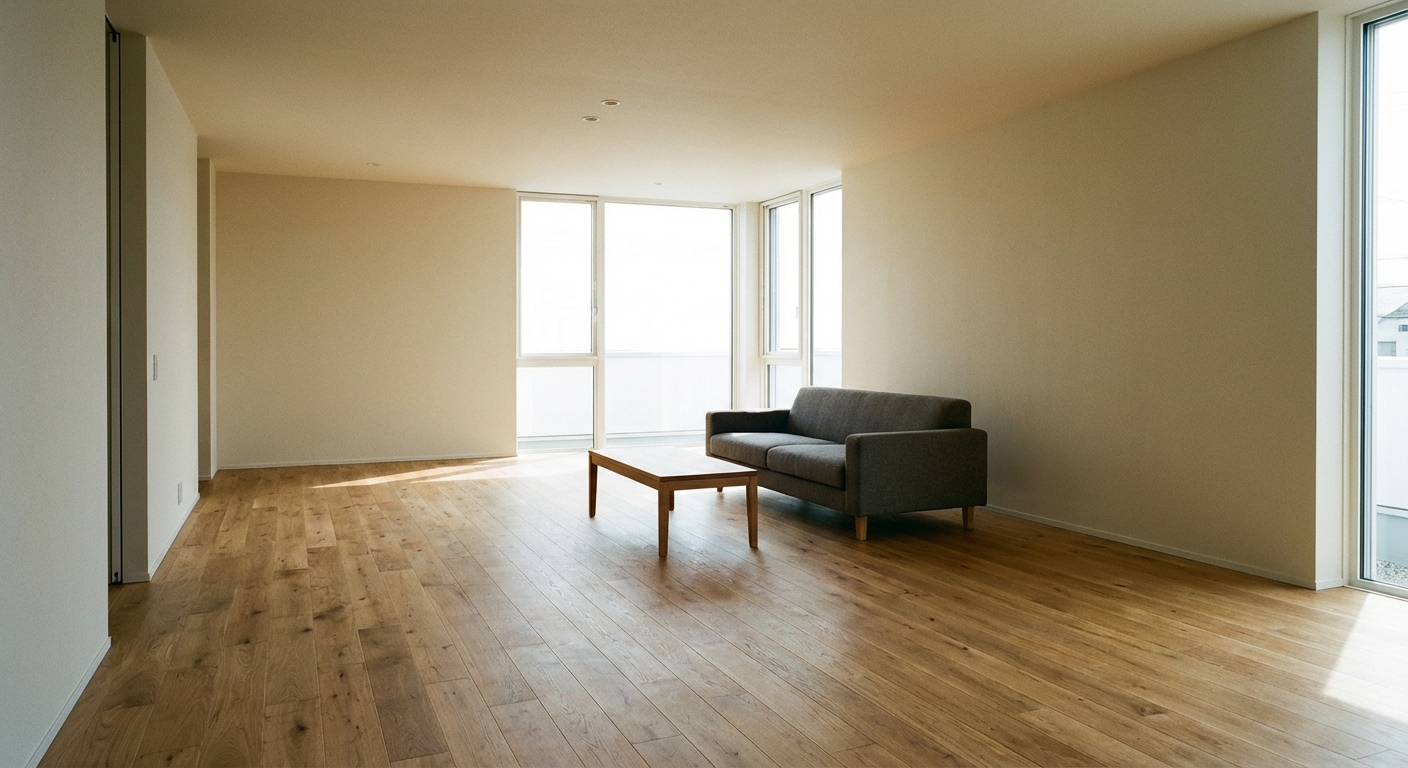
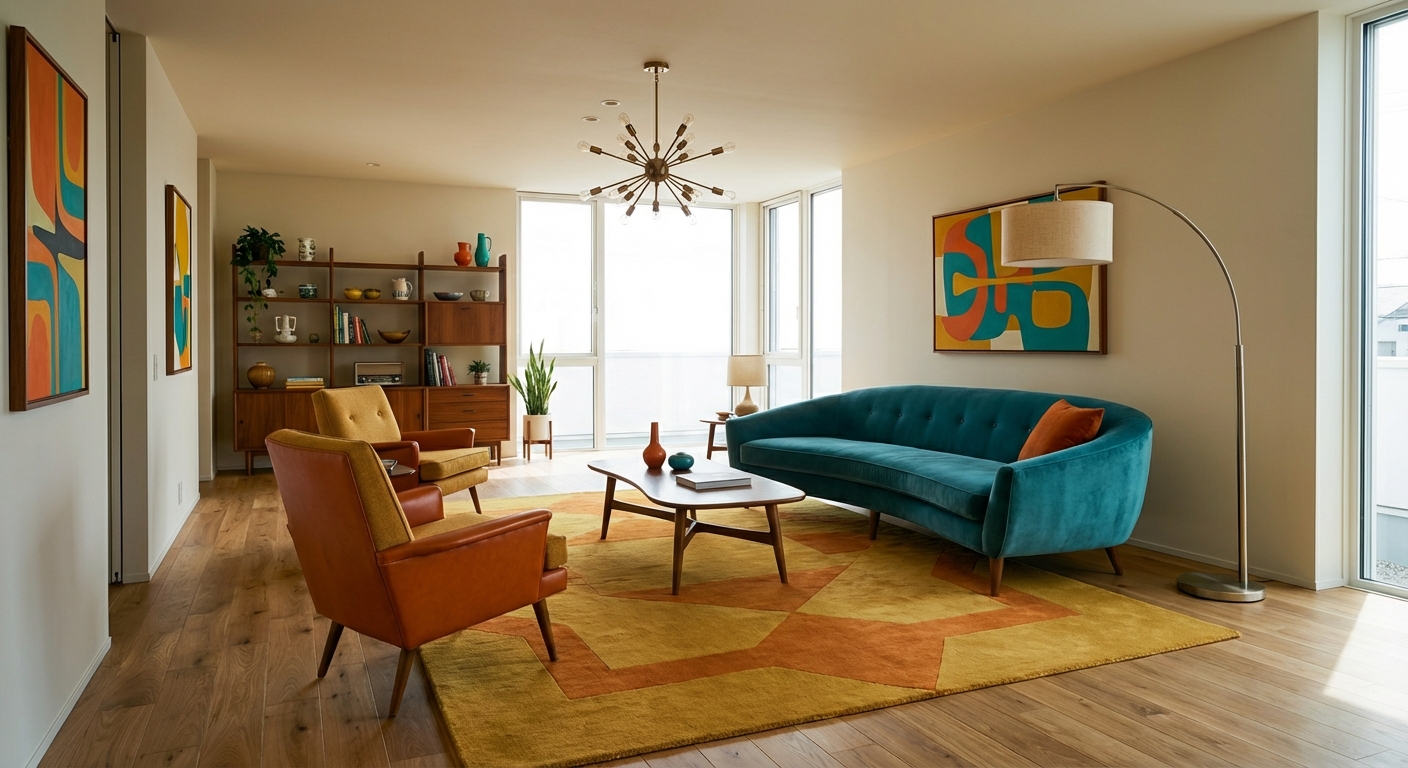
Upload your room photo in the app to see your real transformation
Why It Works
Burnt orange (#CC5500 to #BF5700 range) is the warm, muted cousin of bright orange — toned down with brown undertones that give it depth and sophistication. The color dominated 1970s interiors and faded from favor during the cool-toned decades that followed, but its current revival is driven by the broader warm-palette shift in design. Burnt orange works because it is one of the warmest colors available without the intensity of red. It creates visual warmth in any room, makes north-facing spaces feel sunny, and pairs naturally with the earth tones (olive, cream, warm brown) that define current design trends. The color carries strong associations with autumn, harvest, and fireside warmth, making it psychologically comforting in residential spaces.
How to Achieve This Look
Use burnt orange at the 10-30% level — it is a powerful accent that can overwhelm when overused. A burnt orange accent wall, a velvet sofa, or a large rug makes a statement without dominating. Pair with cream and warm white as your neutral base — avoid cool whites, which clash with orange undertones. Supporting colors should be earthy: olive green, warm brown, camel, and charcoal. Metallic accents in brass and copper amplify the warmth. Materials with texture carry burnt orange well: velvet, boucle, woven wool, and leather. For a more subtle approach, introduce burnt orange through pottery, cushions, and a throw before committing to larger pieces.
Burnt orange can shift dramatically between bold and subtle depending on lighting and surrounding colors. Intero AI lets you preview burnt orange walls, furniture, and textiles in your room with your specific light to find the right shade and proportion before committing.
"Saved thousands on interior design fees. The AI suggestions were spot-on."
— James R.
Frequently Asked Questions
Q1 Will burnt orange make my room look dated or 70s?
Not when styled with current materials. The 70s version was shag carpet and avocado appliances; the 2026 version is a boucle sofa in burnt orange against warm white walls with brass accents and natural wood. The color is the same — the context makes it contemporary.
Q2 What colors should I avoid pairing with burnt orange?
Cool gray is the main clash — it makes burnt orange look cheap. Bright blue can feel garish. Cool pastels (lavender, mint) create an uncomfortable temperature contrast. Stick to warm neutrals and earth tones for the most harmonious pairings.
Q3 Which rooms suit burnt orange best?
Living rooms and dining rooms benefit most from the warmth and conversation-encouraging quality. Bedrooms can use softer versions through textiles. Kitchens suit smaller doses — burnt orange ceramics or a backsplash. Home offices benefit from the energizing warmth.
Related searches
These are the next pages people usually open while narrowing this design direction.
Ready to Transform Your Room?
Download Intero and see this design in your space in seconds.
No credit card. No signup. Just results.