How to Create a Home Theater That Rivals the Real Thing
A dedicated home theater is not just a big TV — it is an engineered experience. Screen size, speaker placement, acoustic treatment, and light control all work together.
What is How to Create a Home Theater Room?
A dedicated home theater is not just a big TV — it is an engineered experience. Screen size, speaker placement, acoustic treatment, and light control all work together.
See the Transformation
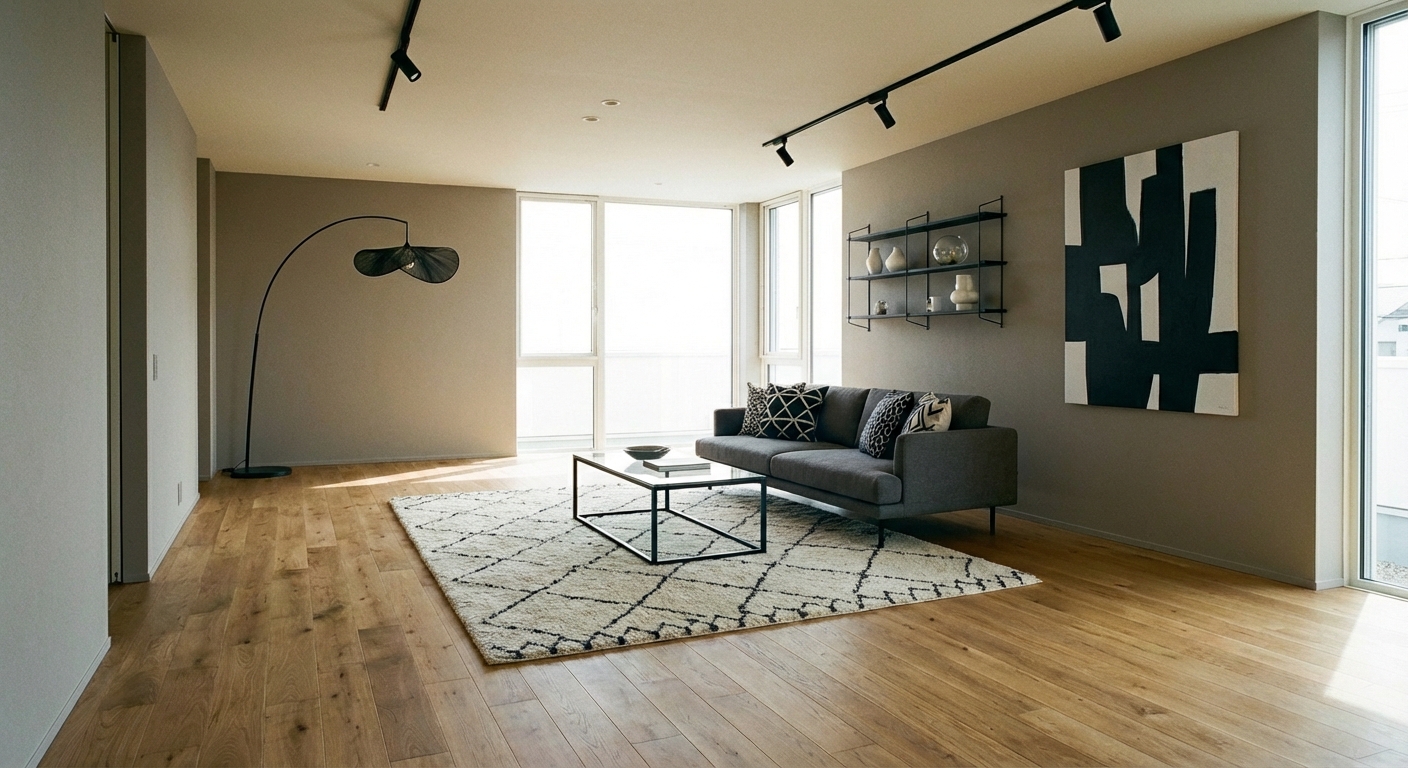
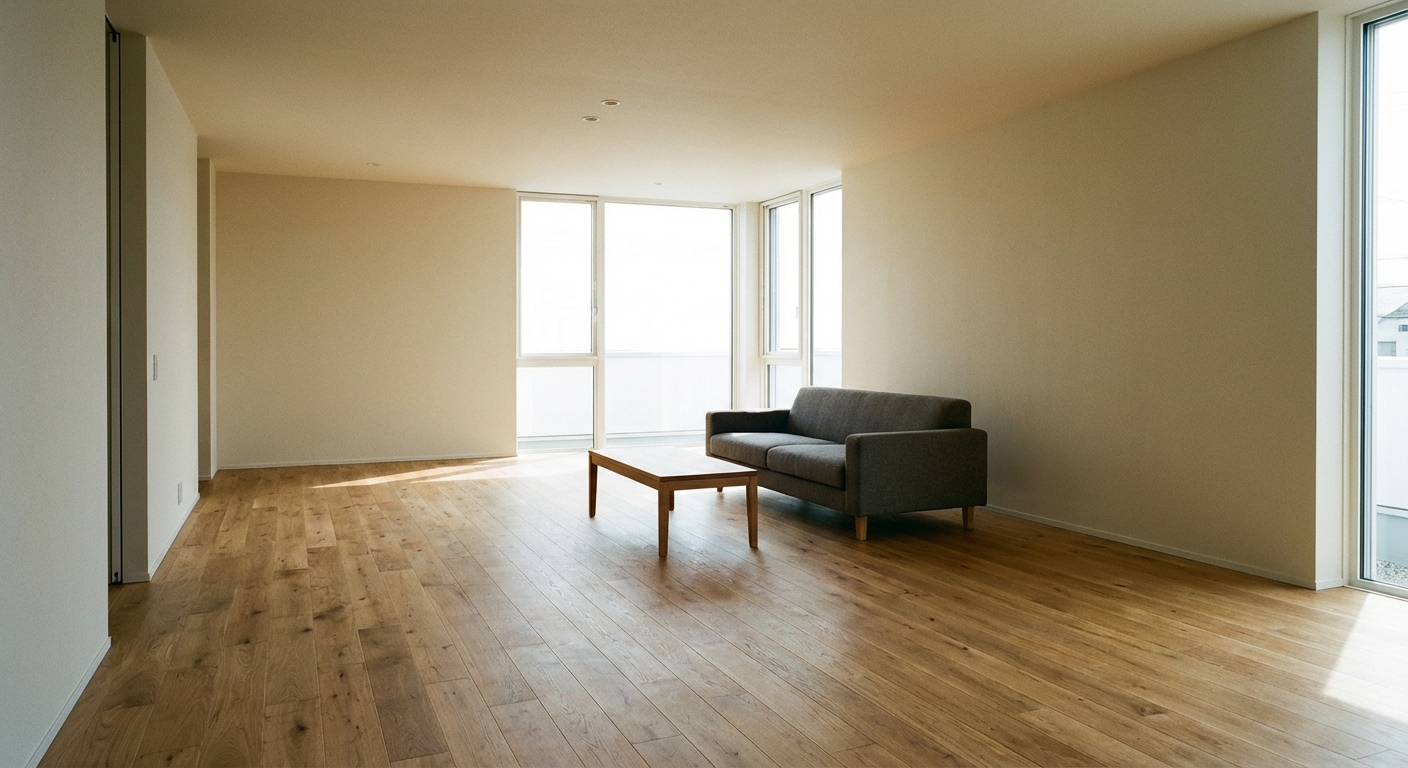
Upload your room photo in the app to see your real transformation
Why It Works
A home theater delivers the cinema experience by controlling the three variables that commercial theaters optimize: visual immersion (large screen in a dark room), audio immersion (calibrated surround sound), and physical comfort (dedicated seating at the ideal viewing distance). Most home setups fail because they optimize one element and neglect the others — a huge TV in a bright room with TV speakers is not a theater. When all three elements are designed together, the experience gap between home and commercial cinema shrinks to nearly zero, at a tiny fraction of the lifetime cost of movie tickets.
How to Achieve This Look
Choose the screen: a 100-120 inch projector screen in a dedicated room, or a 75-85 inch TV in a multi-use space. Position seating at 1.5 times the screen diagonal for optimal viewing distance. Install a 5.1 surround sound system minimum: front left, center, front right at ear level, two surrounds at ear level slightly behind the seating position, and a subwoofer in the front corner. Control light with blackout curtains or shutters on every window. Paint the ceiling and walls in medium-dark tones (not black — dark gray or navy reduces reflections without feeling oppressive). Add acoustic panels at first reflection points on side walls and the back wall. Install dimmable LED rope lighting along the floor and behind the screen for ambient light that does not affect the image.
Home theater design requires balancing screen size, seating distance, and room dimensions — choices that are hard to visualize without seeing them. Intero AI lets you preview your room as a theater: screen placement, dark wall colors, and seating layouts in your specific space.
"Saved thousands on interior design fees. The AI suggestions were spot-on."
— James R.
Frequently Asked Questions
Q1 What is the best room size for a home theater?
A 12x16-foot room with 8-foot ceilings is the most common ideal size — large enough for a 120-inch screen and two rows of seating. Smaller rooms (10x12) work with a 100-inch screen and a single row. The key is having enough distance between the screen and seating (1.5x the screen diagonal).
Q2 Projector or TV for a home theater?
A projector provides the true cinema scale (100-150 inches) at a lower per-inch cost. A high-end TV (75-85 inches) is brighter and better for rooms with ambient light. For a dedicated, darkened theater room, a 4K laser projector is the cinematic choice.
Q3 How important is acoustic treatment?
Critical for dialog clarity. Untreated rooms create echoes that muddy speech and distort surround effects. Even basic treatment — acoustic panels at first reflection points, a thick rug, and heavy curtains — improves audio clarity by 40-50% compared to bare walls.
Related searches
These are the next pages people usually open while narrowing this design direction.
You Might Also Like
Ready to Transform Your Room?
Download Intero and see this design in your space in seconds.
No credit card. No signup. Just results.