How to Design a Music Room That Sounds as Good as It Looks
A dedicated music room is more than a place to store instruments. Proper acoustics, comfortable layout, and intentional design create a space that inspires playing.
What is How to Design a Dedicated Music Room?
A dedicated music room is more than a place to store instruments. Proper acoustics, comfortable layout, and intentional design create a space that inspires playing.
See the Transformation
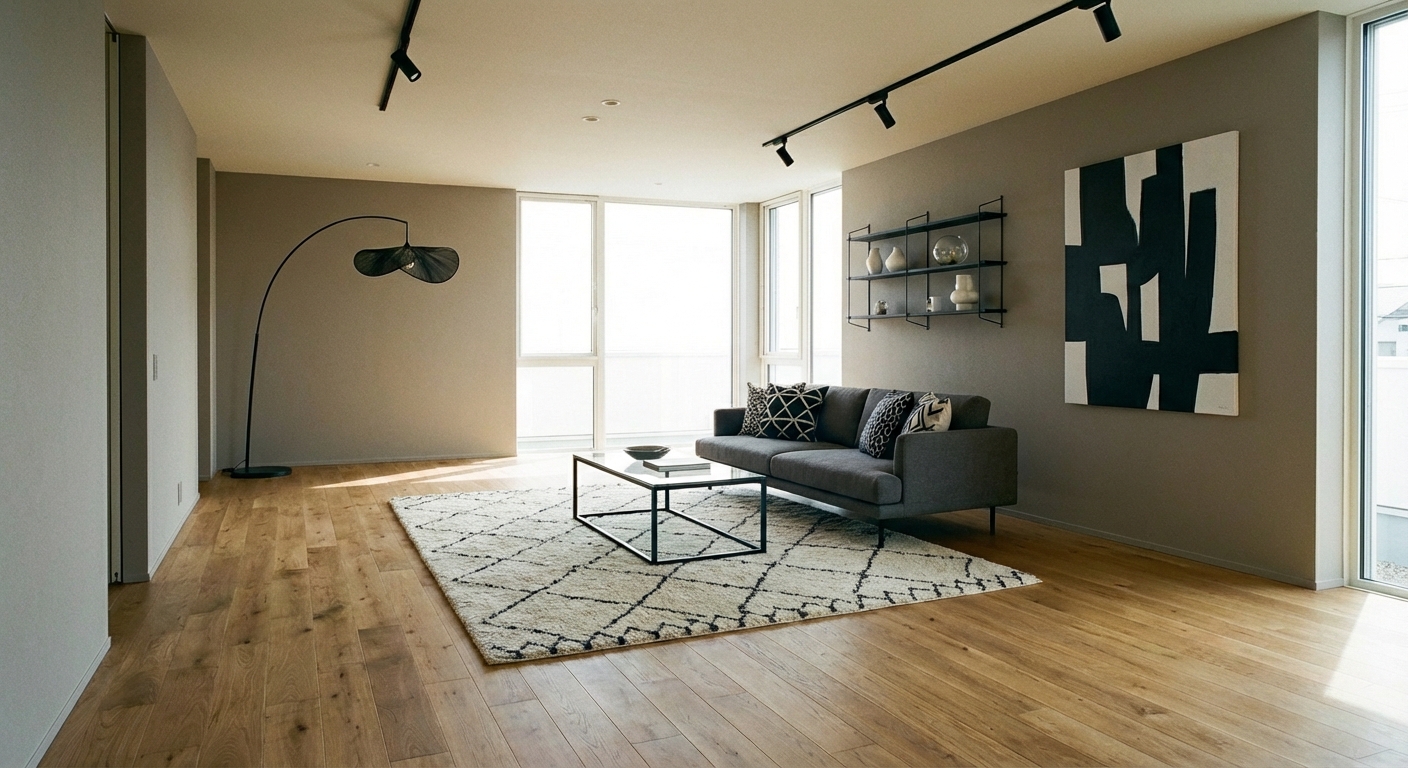
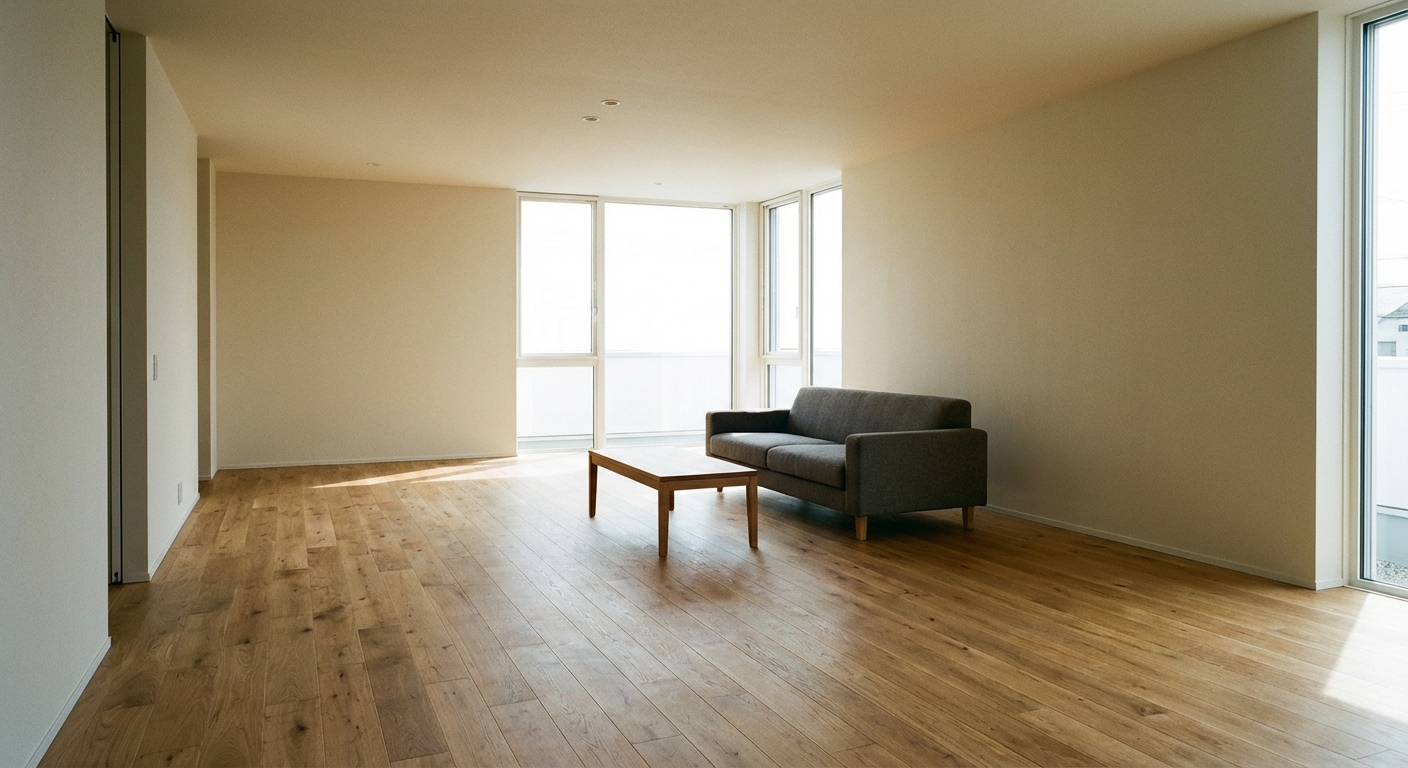
Upload your room photo in the app to see your real transformation
Why It Works
Musicians who have a dedicated practice space practice more — the instrument is always set up, the room is acoustically appropriate, and there is no setup or teardown friction. The design works on two levels: acoustic (the room sounds good, which makes playing more enjoyable and productive) and inspirational (the room looks and feels like a creative space, which puts you in a musical mindset). Acoustic treatment is not about making the room silent — it is about controlling reflections so the instrument sounds accurate and natural. When the room flatters your playing rather than distorting it, practice becomes a pleasure rather than a chore.
How to Achieve This Look
Start with acoustic treatment: absorptive panels at first reflection points (side walls at instrument height), a thick rug on the floor, and heavy curtains to tame flutter echoes. A mix of absorption and diffusion prevents the room from sounding dead — you want controlled reflections, not silence. Position the primary instrument (piano, drum kit, desk for electronic production) as the room centerpiece. Add comfortable seating for listeners or collaborators. Display instruments on wall mounts — guitars, ukuleles, and violins become art when hung properly. Install dimmable lighting that can shift from bright for reading music to moody for creative sessions. Sound isolation (if neighbors are a concern): seal door gaps, add mass to walls (additional drywall layer), and use a solid-core door.
Music room design balances acoustics, instrument placement, and creative atmosphere. Intero AI lets you preview how acoustic panels, instrument displays, and furniture arrangements transform your room into a space that inspires musicianship.
"Saved thousands on interior design fees. The AI suggestions were spot-on."
— James R.
Frequently Asked Questions
Q1 Do I need professional soundproofing for a music room?
For practice, basic sound reduction (sealing door gaps, adding a rug, and heavy curtains) reduces sound transmission by 50-70%. Full soundproofing (decoupled walls, isolated ceiling) is necessary only for drumming, amplified instruments, or recording. The difference between sound treatment (improving how the room sounds inside) and soundproofing (preventing sound from leaving) is important.
Q2 What is the best room size for a music room?
A 10x12-foot room works for solo practice on most instruments. A 12x16-foot room accommodates a small ensemble, a drum kit, or a home recording setup. Avoid perfectly square rooms (10x10) — they create standing waves that cause boomy, uneven bass. Rectangular rooms sound better naturally.
Q3 How should I display instruments?
Wall mounts are ideal for guitars, ukuleles, banjos, and violins — they save floor space and turn instruments into wall art. Keep frequently played instruments on stands for grab-and-play access. Store less-used instruments in cases. A piano or keyboard should anchor the room as the primary furniture piece.
Related searches
These are the next pages people usually open while narrowing this design direction.
You Might Also Like
Ready to Transform Your Room?
Download Intero and see this design in your space in seconds.
No credit card. No signup. Just results.