Olive Green — The Earthy, Muted Green for Grounded Living
Neither forest nor sage, olive green carries the warmth of amber mixed with the calm of nature. It is the most livable green — sophisticated, warm, and endlessly pairable.
What is Olive Green Color Palette for Interiors?
Neither forest nor sage, olive green carries the warmth of amber mixed with the calm of nature. It is the most livable green — sophisticated, warm, and endlessly pairable.
See the Transformation
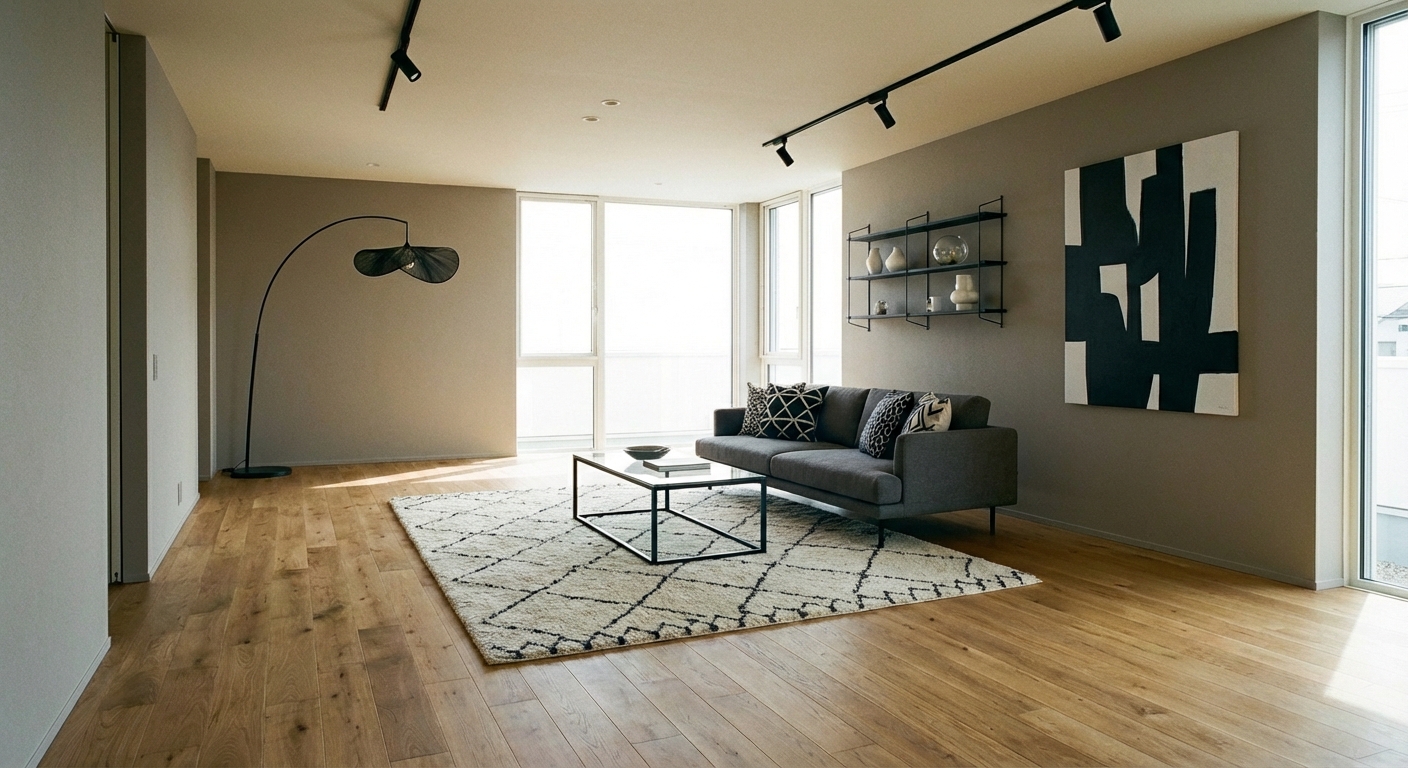
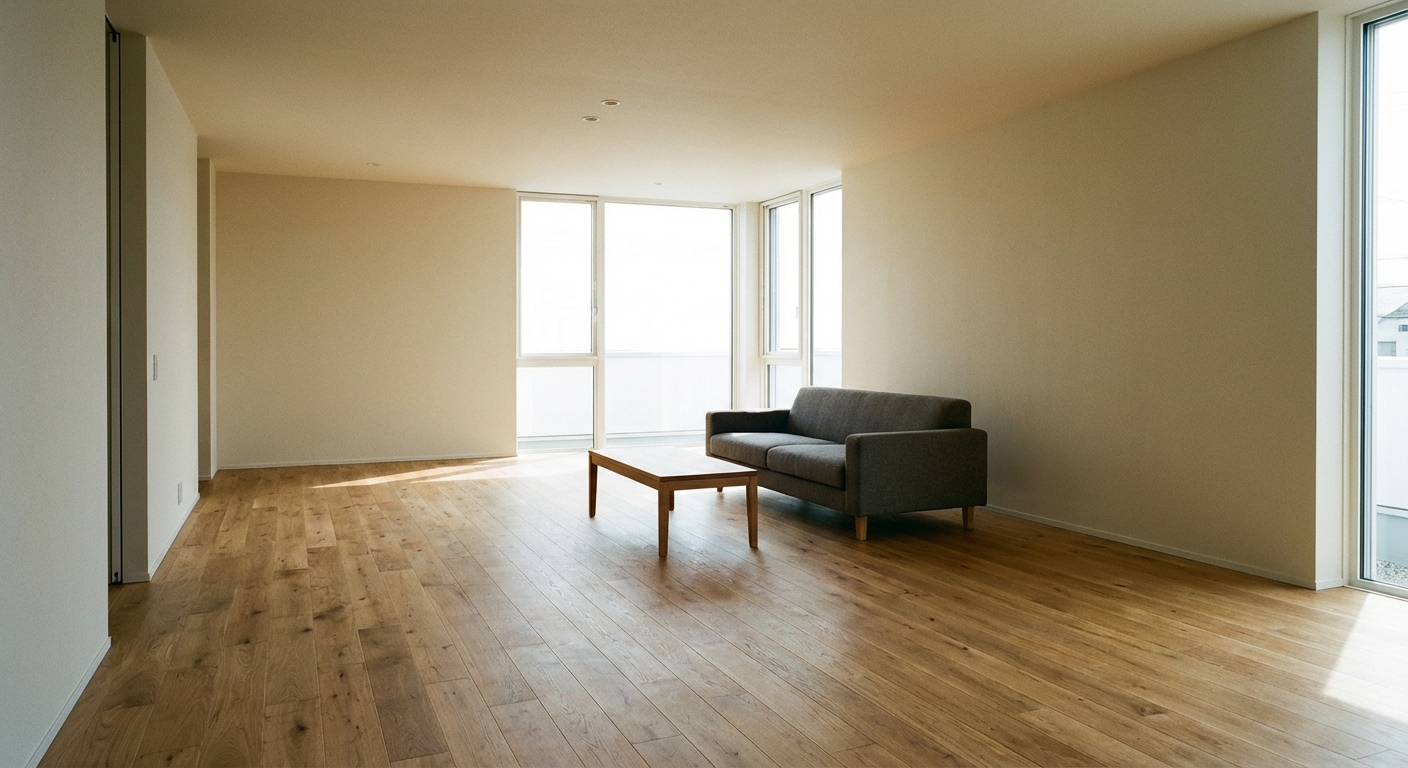
Upload your room photo in the app to see your real transformation
Why It Works
Olive green (#556B2F to #808000 range) is a yellow-based green — warmer and earthier than sage (gray-based) and softer than forest green (blue-based). This warm undertone gives olive a unique quality: it reads as both organic and warm, combining the calming properties of green with the comforting warmth of yellow and brown. The color has a long history in Mediterranean, military, and mid-century design, giving it a range of associations from Tuscan olive groves to 1960s Danish furniture showrooms. Olive green works as both a neutral and an accent — light olive can serve as a wall color that functions almost like a warm gray, while deeper olive makes a rich accent that pairs with virtually any warm palette.
How to Achieve This Look
For walls: choose a lighter olive (sometimes called "artichoke" or "sage olive") that reads as a warm neutral rather than a bold color. This creates a nature-inspired backdrop without the statement intensity of darker greens. For accents: deeper olive on a sofa, curtains, or a rug adds richness. Pair olive with warm neutrals: cream, beige, camel, and warm brown. The palette comes alive with natural materials — linen, jute, raw wood, and terracotta. Gold and brass metallics amplify the warm undertones. Supporting accent colors include rust, terracotta, cream, and warm charcoal. Avoid cool blues and purples, which can make olive look muddy.
Olive green varies enormously — some versions lean yellow-green, others brown-green. The wrong shade can look muddy or military rather than sophisticated. Intero AI lets you preview different olive tones in your room to find the version that reads as warm and earthy rather than drab.
"I redesigned my entire apartment before buying a single piece of furniture."
— Sarah M.
Frequently Asked Questions
Q1 How is olive green different from sage?
Sage is a gray-based muted green — cool, soft, and delicate. Olive is a yellow-brown-based green — warm, earthy, and substantial. Sage reads as modern and calming; olive reads as earthy and grounded. In a room, sage feels like morning fog; olive feels like an autumn hillside.
Q2 Is olive green trendy or timeless?
Olive is one of the most timeless greens available. It has been used in interiors for centuries across many cultures and never fully goes out of style because it references the natural world so directly. It may not appear on annual trend lists, but it never appears on "going out of style" lists either.
Q3 What wood tones pair best with olive green?
Warm, medium-toned woods are ideal — walnut, warm oak, and teak. Light woods (birch, maple) can work but create less visual impact. Very dark woods (espresso, ebony) can make olive look drab by absorbing its warmth. The sweet spot is a rich, warm wood that echoes olive warm undertones.
Related searches
These are the next pages people usually open while narrowing this design direction.
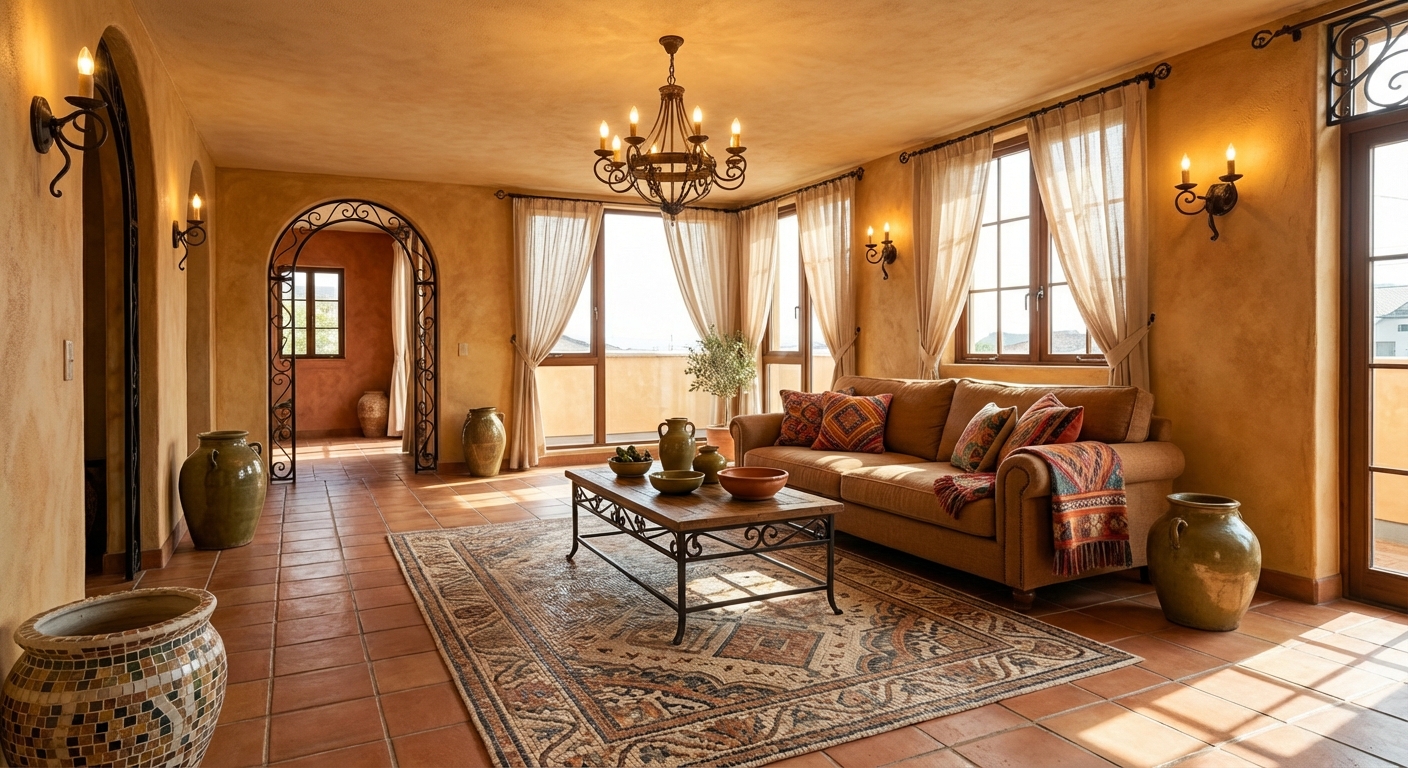
Ready to Transform Your Room?
Download Intero and see this design in your space in seconds.
No credit card. No signup. Just results.