Dark Room? Make It Glow Without Adding a Single Window
You cannot add windows to most rooms, but you can make the light you have work three times harder. These strategies turn dim rooms into warm, inviting spaces.
What is Room With Low Natural Light: Brightening Strategies?
You cannot add windows to most rooms, but you can make the light you have work three times harder. These strategies turn dim rooms into warm, inviting spaces.
See the Transformation
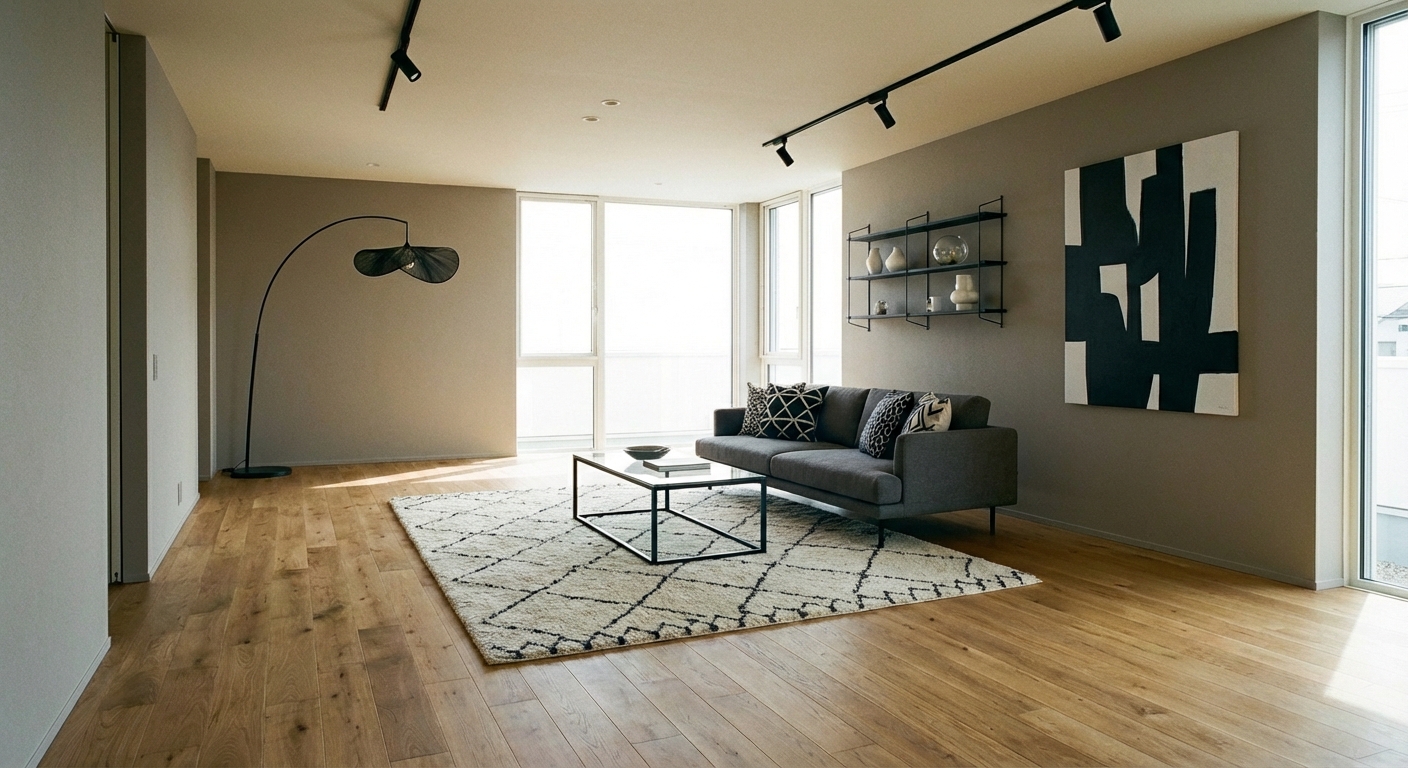
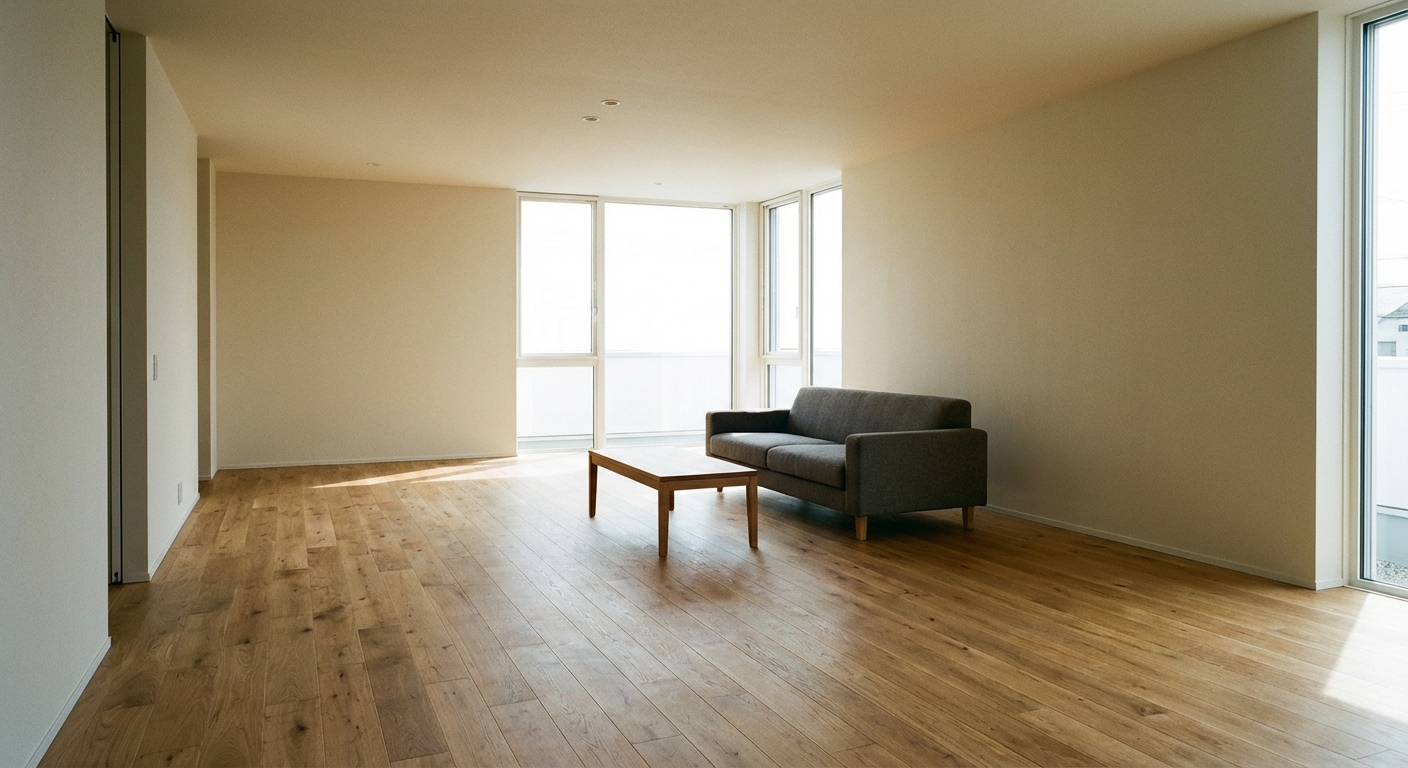
Upload your room photo in the app to see your real transformation
Why It Works
Dark rooms feel oppressive because the human brain associates light with safety, health, and positive emotion. A room with small or north-facing windows receives limited direct sunlight, creating shadows and a flat, gray atmosphere. The solution is not adding more light sources (though that helps) but maximizing the light that already exists. Reflective surfaces, strategic mirror placement, light-colored walls, and glossy finishes bounce available light deeper into the room. Layered artificial lighting then fills the gaps with warm tones that mimic the golden quality of sunlight. The combination transforms a dim room from depressing to inviting.
How to Achieve This Look
Start with walls: warm white or very light warm gray reflects the most light while avoiding the cold, clinical feel of bright white. Use eggshell or satin finish rather than matte — the slight sheen reflects light. Place a large mirror opposite or adjacent to the window to bounce natural light deeper into the room. Choose furniture and textiles in light, warm tones — a cream sofa reflects light where a dark one absorbs it. Use metallic and glass accents (brass lamps, glass tables, mirrored surfaces) to create light-catching points. Layer artificial lighting: overhead recessed lights for ambient wash, table lamps at multiple points for warmth, and a floor lamp in the darkest corner. Use full-spectrum bulbs (5000K) in task areas and warm bulbs (2700-3000K) in living areas to mimic natural daylight transitions.
Intero AI shows you how paint colors, mirror placement, and furniture choices affect the brightness of your specific room. Upload a photo of your dark room and preview how different strategies amplify the available light and transform the atmosphere.
"I redesigned my entire apartment before buying a single piece of furniture."
— Sarah M.
Frequently Asked Questions
Q1 What paint color is best for a dark room?
Warm white (not bright white) reflects light without feeling cold. Benjamin Moore Simply White, Farrow & Ball White Tie, or Sherwin-Williams Alabaster are proven performers in low-light rooms. Avoid cool grays or blues, which amplify the dim, cold feeling.
Q2 Where should I place mirrors to maximize light?
Place the largest mirror you can find directly opposite or at a right angle to the window. This effectively doubles the window light in the room. A full-length leaning mirror, a large round wall mirror, or a mirrored console table all work — the key is positioning it where it catches and redirects window light.
Q3 Are there bulbs that mimic natural sunlight?
Full-spectrum bulbs with a CRI (Color Rendering Index) of 90+ and a color temperature of 5000K closely mimic midday sunlight. Brands like Chromalux and Waveform Lighting specialize in natural-spectrum bulbs. For living areas, use 3000K warm bulbs to mimic golden-hour light.
Related searches
These are the next pages people usually open while narrowing this design direction.
You Might Also Like
Ready to Transform Your Room?
Download Intero and see this design in your space in seconds.
No credit card. No signup. Just results.