The Complete Guide to Tropical Interior Design
Tropical design does not require a beachfront address. With the right materials, colors, and greenery, any room can channel the lush warmth of a Balinese villa.
What is Complete Guide to Tropical Interior Design?
Tropical design does not require a beachfront address. With the right materials, colors, and greenery, any room can channel the lush warmth of a Balinese villa.
See the Transformation
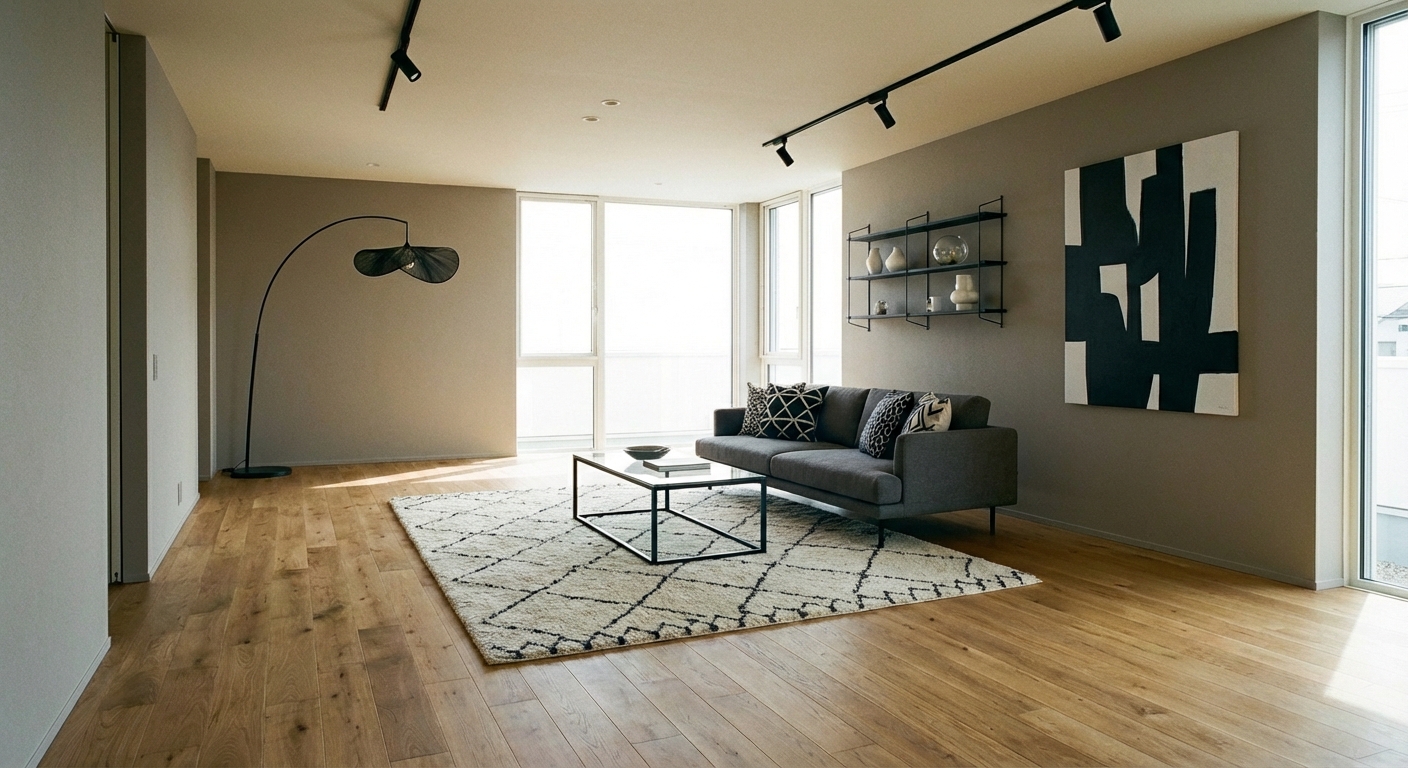
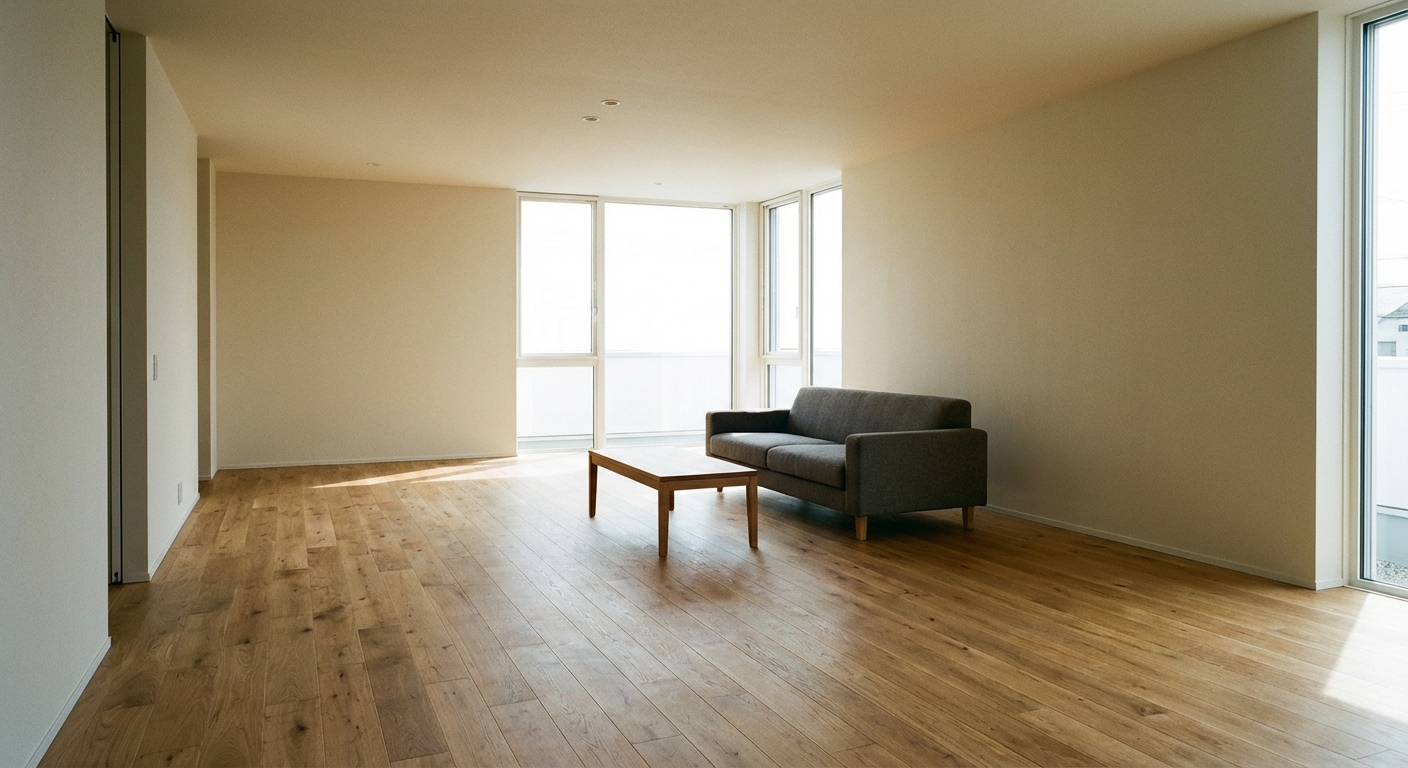
Upload your room photo in the app to see your real transformation
Why It Works
Tropical design draws from equatorial environments — the jungles, coastlines, and resort cultures of Southeast Asia, the Caribbean, and the Pacific Islands. The style succeeds because it maximizes the elements humans are biologically wired to respond to: lush greenery, natural light, warm wood, and flowing air. The defining materials are rattan, bamboo, teak, and woven natural fibers. The color palette is saturated and warm: deep greens, teal, coral, gold, and rich wood tones. Botanical patterns — palm leaves, monstera, banana leaf, birds of paradise — bring the outdoor jungle indoors. The overall effect is immersive: a well-designed tropical room does not reference nature from a distance — it envelops you in it.
Best for
- people ready to test options on a real photo before buying
- anyone planning a real living room where conversation distance, TV glare, and traffic past the sofa matter more than Pinterest perfection
- projects already thinking about pendant, curtains and needing a coherent layout
Skip if
- you will not address conversation distance and only want a filter look
- you refuse to remove anything and only add decor
Common mistakes
In a living room, “complete” fails when you shopping object-by-object with no envelope decision. Details like pendant, curtains only work if the plan respects conversation distance, TV glare, and traffic past the sofa. Another miss: pushing every seat against the walls and calling the empty middle “open”.
Decide this first
fix the primary seating pair and one clear path before decorative chairs. Lock a coherent material story instead of random catalog picks as a short list, then use Intero on a real photo so scale and light are honest before you spend.
How to Achieve This Look
Build the foundation with dark, warm wood: teak or mahogany furniture pieces with visible grain and substance. Add rattan and woven elements — a rattan headboard, woven pendant lights, or bamboo blinds provide the tropical texture baseline. Introduce bold botanical prints through cushions, curtains, or wallpaper — one or two statement pieces rather than covering every surface. Fill the room with lush plants: large-scale tropicals like monstera, bird of paradise, and palm add genuine jungle energy. Keep the palette warm and saturated: emerald green walls, teal accents, coral textiles, and gold or brass hardware. Prioritize natural light and cross-ventilation — tropical spaces should feel open and airy despite the visual density.
Tropical design balances lush density with breathable space — too much feels like a greenhouse, too little feels like a beach-themed hotel. Intero AI lets you preview different levels of tropical intensity in your room to find the balance between resort luxury and livable warmth.
Frequently Asked Questions
Q1 Can I create tropical style in a cold climate?
Yes — tropical design is actually more impactful in cold climates because the contrast between the warm, lush interior and the cold exterior creates a genuine escape. Use warm-toned lighting, heavy textiles, and abundant indoor plants to compensate for the lack of natural tropical conditions.
Q2 What plants are essential for tropical design?
Monstera deliciosa (the iconic split-leaf plant), bird of paradise (tall and dramatic), fiddle-leaf fig (sculptural), palm varieties (areca, kentia), and banana plant (for oversized leaf drama). Even two or three large tropical plants transform a room. Supplement with trailing pothos for shelf greenery.
Q3 How do I prevent tropical design from looking like a theme park?
Avoid literal motifs: no parrot prints, no tiki masks, no flamingos. Keep the tropical reference in materials (rattan, teak) and real plants rather than printed themes. Mix tropical elements with clean-lined modern furniture for a resort-sophisticated look rather than a themed restaurant.
Q4 What is the difference between tropical and coastal?
Tropical is dense, saturated, and green-forward — it references the jungle. Coastal is open, light, and blue-forward — it references the shore. Tropical uses dark woods and bold patterns; coastal uses bleached woods and subtle textures. Think Bali versus Hamptons.
Related searches
These are the next pages people usually open while narrowing this design direction.
You Might Also Like
Ready to See This Style in Your Room?
Download Intero and preview this design on your own room photo.
No credit card. No signup. Just results.
Scan to download
Point your phone camera at a code

