Tropical vs Coastal — Jungle Vibes or Beach Breezes?
Both styles evoke vacation, but tropical wraps you in lush greenery and bold pattern while coastal opens windows to salt air and soft neutrals.
What is Tropical vs Coastal: Lush Paradise vs Breezy Beach?
Both styles evoke vacation, but tropical wraps you in lush greenery and bold pattern while coastal opens windows to salt air and soft neutrals.
See the Transformation
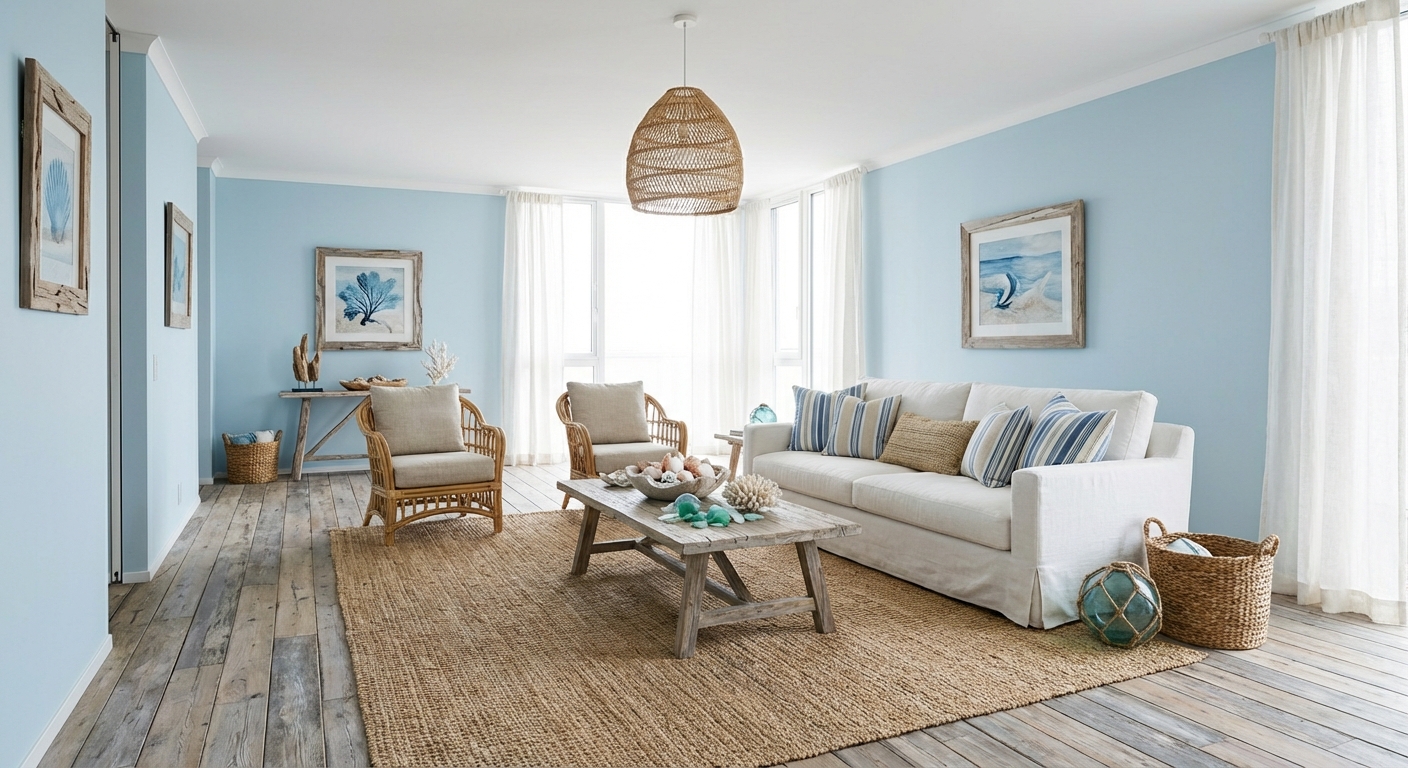
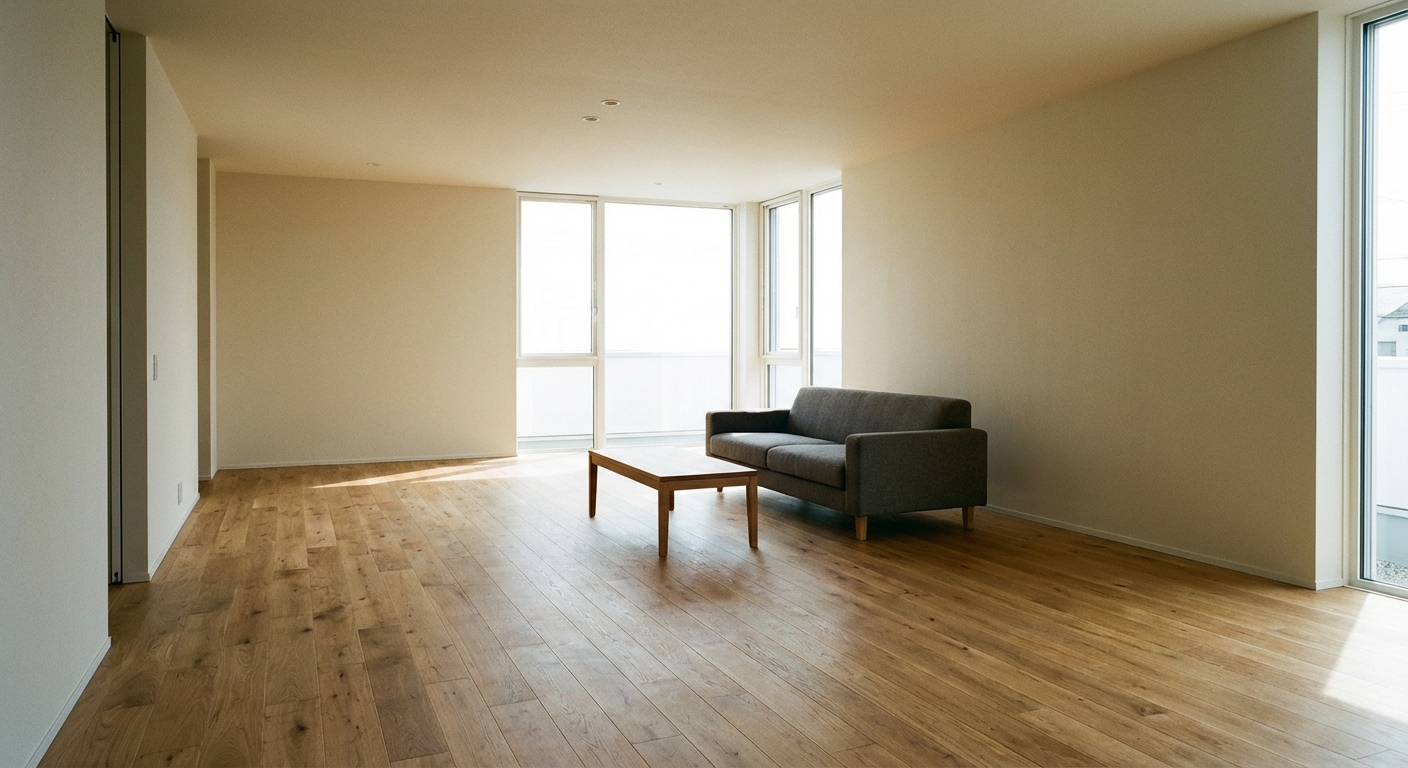
Upload your room photo in the app to see your real transformation
Why It Works
Tropical design draws from equatorial environments — dense foliage, saturated colors, exotic patterns, and dark natural woods create rooms that feel like a Balinese resort. Rattan, bamboo, banana leaf prints, and rich greens dominate. Coastal design draws from temperate beach environments — open space, bleached woods, soft blues and whites, and natural textures like linen and jute create rooms that feel like a seaside cottage. Tropical maximizes visual density and warmth; coastal maximizes airiness and light. Tropical says "step into the jungle"; coastal says "step onto the shore." The material palettes overlap (both use natural fibers and wood) but diverge in saturation, pattern intensity, and density.
Best for
- people ready to test options on a real photo before buying
- anyone planning a real living room where conversation distance, TV glare, and traffic past the sofa matter more than Pinterest perfection
- projects already thinking about linen, walnut, oak and needing a coherent layout
Skip if
- you will not address conversation distance and only want a filter look
- you refuse to remove anything and only add decor
Common mistakes
The usual tropical living room miss is shopping object-by-object with no envelope decision. Details like linen, walnut, oak only work if the plan respects conversation distance, TV glare, and traffic past the sofa. Another miss: pushing every seat against the walls and calling the empty middle “open”.
Decide this first
fix the primary seating pair and one clear path before decorative chairs. Lock a coherent material story instead of random catalog picks as a short list, then use Intero on a real photo so scale and light are honest before you spend.
How to Achieve This Look
For tropical: use a dark wood base (teak, mahogany, walnut), add bold botanical prints (palm leaf, monstera, banana leaf), incorporate rattan and woven furniture, and layer in lush plants. The color palette is saturated: emerald green, deep teal, coral, and gold. For coastal: use a light wood or whitewashed base (oak, pine, driftwood-look), keep patterns subtle (stripes, simple coral motifs), and use a palette of soft blue, sandy beige, and crisp white. Natural textures — jute rugs, linen curtains, rope details — provide warmth without competing for attention.
Intero AI lets you preview both tropical density and coastal openness in your room. Upload a photo and compare how dark woods and bold botanicals create a different vacation mood than light woods and soft blues.
Frequently Asked Questions
Q1 Can I combine tropical and coastal?
Yes — the hybrid is often called "coastal tropical" or "island modern." Use the light, airy base of coastal (white walls, light floors) with select tropical accents (a banana leaf pillow, rattan furniture, one or two lush plants). The result is tropical warmth without the visual density.
Q2 Which suits colder climates better?
Tropical. Its warmer color palette, denser material choices, and layered textures create the cozy warmth that cold-climate homes need. Coastal can feel too cold and bare in northern climates unless heavily layered with textiles and warm wood tones.
Q3 Which is easier to maintain?
Coastal is lower maintenance — lighter colors and simpler styling require fewer decorative elements. Tropical design relies on lush plants and layered accessories that need regular care and rotating. Both use durable natural materials, but coastal minimalism means fewer things to dust.
Related searches
These are the next pages people usually open while narrowing this design direction.
You Might Also Like
Design Guides You'll Love
Ready to See This Style in Your Room?
Download Intero and preview this design on your own room photo.
No credit card. No signup. Just results.
Scan to download
Point your phone camera at a code

