Wabi-Sabi vs Rustic — Philosophical Imperfection or Country Charm?
Both celebrate the beauty of imperfection, but wabi-sabi is a Japanese philosophy of transience while rustic is a Western celebration of countryside life.
What is Wabi-Sabi vs Rustic: Intentional Imperfection vs Country Charm?
Both celebrate the beauty of imperfection, but wabi-sabi is a Japanese philosophy of transience while rustic is a Western celebration of countryside life.
See the Transformation
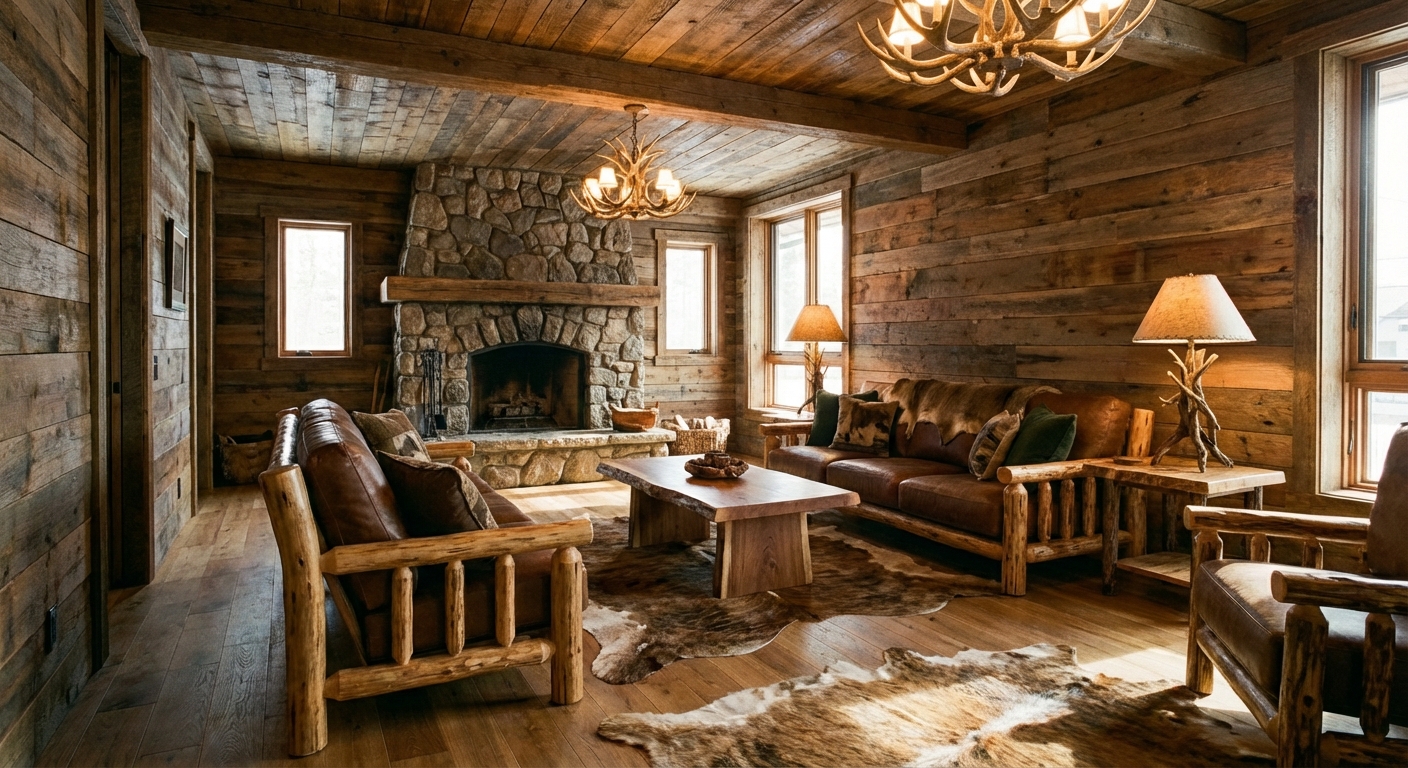
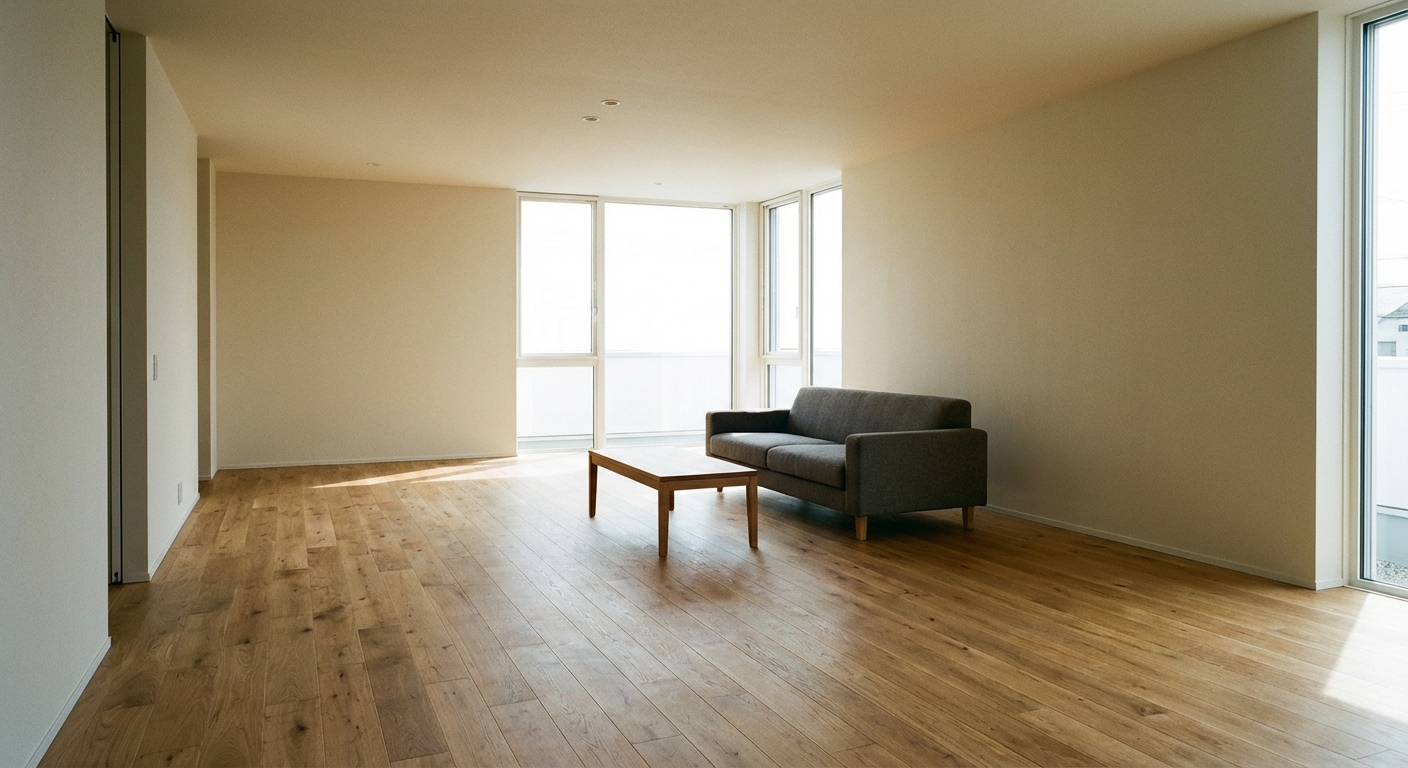
Upload your room photo in the app to see your real transformation
Why It Works
Wabi-sabi is a Japanese philosophical framework rooted in the acceptance of impermanence and imperfection. In design, it manifests as rooms that celebrate age, wear, and the handmade — a cracked ceramic bowl is prized, a weathered wood surface is left unfinished, and empty space is as important as filled space. Rustic design is a Western tradition rooted in countryside living — heavy timber beams, stone fireplaces, handmade quilts, and sturdy farmhouse furniture celebrate rural craftsmanship and the warmth of traditional homes. Both love natural materials and reject perfection, but the emotional tone differs: wabi-sabi is contemplative and spare; rustic is hearty and abundant. Wabi-sabi leaves a single imperfect bowl on a shelf; rustic fills a shelf with a collection.
Best for
- people ready to test options on a real photo before buying
- anyone planning a real living room where conversation distance, TV glare, and traffic past the sofa matter more than Pinterest perfection
- projects already thinking about linen and needing a coherent layout
Skip if
- you will not address conversation distance and only want a filter look
- you refuse to remove anything and only add decor
Common mistakes
The usual wabi-sabi living room miss is shopping object-by-object with no envelope decision. Details like linen only work if the plan respects conversation distance, TV glare, and traffic past the sofa. Another miss: pushing every seat against the walls and calling the empty middle “open”.
Decide this first
fix the primary seating pair and one clear path before decorative chairs. Lock a coherent material story instead of random catalog picks as a short list, then use Intero on a real photo so scale and light are honest before you spend.
How to Achieve This Look
For wabi-sabi: use natural, raw materials — untreated wood, handmade ceramics, linen in its natural color, stone with visible veining. Edit ruthlessly: fewer objects, more space. Choose pieces with visible age or handcraft — a hand-thrown bowl, a patched textile, a worn wooden bench. The palette is muted: clay, stone, sand, fog, and ash. For rustic: use heavy natural materials — timber beams, reclaimed barn wood, fieldstone. Fill the space with collected objects: antique tools, quilts, pottery, and vintage finds. Furniture should be substantial and sturdy. The palette is warm: honey wood, deep red, forest green, and cream. The key difference is density: wabi-sabi subtracts; rustic accumulates.
Intero AI lets you preview both wabi-sabi minimalism and rustic abundance in your room. Compare how a spare, contemplative space with handmade objects differs from a warm, filled room with collected country pieces.
Frequently Asked Questions
Q1 Is wabi-sabi the same as minimalism?
No — though both value simplicity. Minimalism seeks perfection through reduction. Wabi-sabi seeks beauty through imperfection and transience. A minimalist room has a perfect white vase; a wabi-sabi room has a cracked, hand-thrown ceramic with visible repair marks. The philosophy is opposite despite the similar edited aesthetic.
Q2 Can I achieve wabi-sabi without Japanese furniture?
Yes — wabi-sabi is a philosophy, not a regional style. Any room that values natural materials, celebrates imperfection, embraces age, and respects empty space embodies wabi-sabi. A European room with old plaster walls, a hand-thrown local ceramic, and a worn linen tablecloth can be deeply wabi-sabi.
Q3 Which is more expensive?
Rustic is generally more affordable because thrift stores, estate sales, and antique markets are full of rustic pieces at accessible prices. Wabi-sabi objects — quality handmade ceramics, artisanal textiles, and raw natural materials — tend to be more expensive because they are handcrafted and less available at mass retail.
Related searches
These are the next pages people usually open while narrowing this design direction.
You Might Also Like
Design Guides You'll Love
Ready to See This Style in Your Room?
Download Intero and preview this design on your own room photo.
No credit card. No signup. Just results.
Scan to download
Point your phone camera at a code

